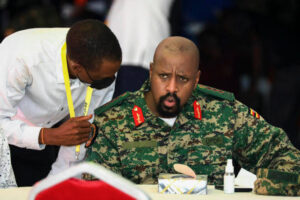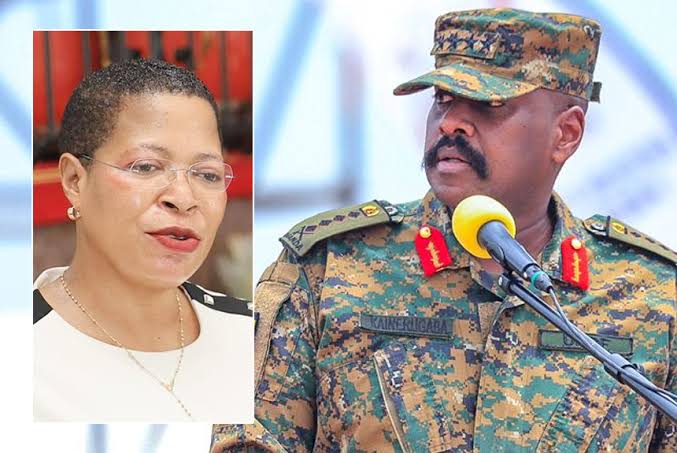
In a surprising and bold statement, General Muhoozi Kainerugaba, the son of Uganda’s President Yoweri Museveni, has revealed that he will not endorse any candidate for the position of Speaker of Parliament without first consulting his father.
The declaration has sent shockwaves through the political landscape of Uganda, as many expected Muhoozi, who has become a prominent figure in Ugandan politics, to take a more assertive stance in shaping the future of the country’s political leadership.
Muhoozi’s refusal to make a public endorsement for Speaker has raised eyebrows among political observers and analysts, who had speculated that the General would leverage his growing influence to push for his preferred candidate.
Instead, he emphasized the importance of consulting President Museveni, a move that has been interpreted by some as a display of respect for the president’s authority and influence in the country’s political system.
Muhoozi, who has been increasingly vocal in political matters in recent years, shared his views in response to a question about the upcoming Speaker election and other key positions in Parliament. Rather than offering a decisive endorsement, he chose to focus on the need for consultation with his father.
“As for Speaker and all the other positions you are asking me about, I shall consult Mzee and get back to you,” Muhoozi said in a statement. His use of the term “Mzee” is a common reference to his father, President Museveni, further emphasizing the weight he places on his father’s guidance in these matters.
This revelation has left many wondering about the dynamics within Uganda’s ruling party, the National Resistance Movement (NRM), and the role Muhoozi is expected to play in the coming years. Muhoozi’s position has sparked discussions about the power structure in Uganda, particularly with respect to the balance between the President and his son, who has also shown interest in following in his father’s footsteps.

Despite his ambitions, Muhoozi’s hesitation to make decisions without consulting his father suggests that he is not yet ready to fully step into a leadership role independent of his father’s influence.
Beyond the issue of the Speaker election, Muhoozi also made a pointed remark about the state of Uganda’s political landscape. According to him, the biggest problem facing the country is corruption, which he described as “the enemy that needs to be defeated.” This statement is significant, as it underscores the challenges facing Uganda’s political system, where corruption has been a long-standing issue, often undermining the efforts to promote transparency and good governance.
Muhoozi’s emphasis on corruption suggests that he views it as a central issue that needs urgent attention, even more so than the political maneuvers within Parliament.
Muhoozi’s comments come at a time of increased political tensions and speculation about his future role in Ugandan politics. With his father having been in power for over three decades, Muhoozi’s growing influence has led many to speculate that he may eventually seek to succeed his father as president.
His recent statements, however, suggest that he is still navigating the delicate dynamics of Ugandan politics, particularly with respect to his relationship with his father and the broader NRM leadership.
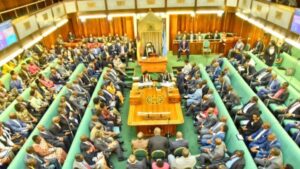
The Speaker of Parliament position is one of the most significant in Uganda’s political system, and the election for this role is often a highly contested affair. The Speaker plays a crucial role in overseeing the legislative process, maintaining order in parliamentary proceedings, and representing the interests of the legislature in dealings with the executive.
As such, the position is highly coveted by those in power, and the endorsement of influential figures like Muhoozi could have a significant impact on the outcome of the election.
However, Muhoozi’s decision to consult his father before endorsing any candidate for Speaker may be an indication that the political landscape in Uganda remains firmly in the hands of the President, even as his son’s political star rises.
The announcement has raised questions about the future of Uganda’s political leadership and the extent to which power will continue to be concentrated within the Museveni family.
This development also highlights the ongoing tension between political dynasties and democratic processes in Uganda. While many Ugandans hope for a more democratic and transparent political system, the continued dominance of the Museveni family in the country’s leadership has raised concerns about political freedom and the potential for a dynastic succession. Muhoozi’s statement reinforces the perception that the country’s political future may remain tightly controlled by the current leadership, despite growing calls for reform and change.
Muhoozi’s comment about corruption also aligns with his broader political message, which often emphasizes the need for greater accountability and transparency in government. His criticism of corruption resonates with many Ugandans who feel that the country’s leadership has failed to tackle the pervasive issue.
However, some critics argue that Muhoozi’s focus on corruption may be an attempt to shift attention away from the internal struggles and power dynamics within his own party, which have led to a lack of cohesion and direction in Uganda’s political leadership.
As the situation continues to unfold, all eyes will be on Muhoozi and his future political decisions. The fact that he is seeking his father’s counsel before making any major moves suggests that he is still carefully navigating the complex political environment in Uganda. His reluctance to make independent decisions regarding the Speaker election may also signal that he understands the importance of maintaining unity within the NRM, especially as the party looks ahead to future elections.

Muhoozi’s remarks about corruption also indicate that he is positioning himself as a potential leader who will prioritize the fight against corruption, should he eventually take on a more prominent role in the government. This message is likely to resonate with Ugandans who are frustrated by the widespread corruption that has plagued the country’s political and economic systems.
However, whether Muhoozi can effectively address this issue remains to be seen, especially as the NRM has been criticized for its own role in perpetuating corrupt practices.
Ultimately, Muhoozi’s refusal to endorse a Speaker candidate without consulting his father is a clear indication that the political future of Uganda remains closely tied to the Museveni family. The statement has sparked conversations about the role of political dynasties in the country and whether Uganda will ever see a shift toward a more democratic and transparent political system.
As Muhoozi continues to make his mark on the Ugandan political scene, the question of his leadership style and vision for the country will remain a key issue in the years to come.
While some may see Muhoozi’s decision as a sign of political maturity and respect for his father’s guidance, others may interpret it as a reflection of the continued centralization of power in Uganda. The coming months and years will undoubtedly reveal more about Muhoozi’s political trajectory and whether he is truly prepared to take on a leadership role independent of his father’s influence.
In conclusion, Muhoozi’s recent comments have added a new layer of complexity to the political landscape in Uganda. His refusal to endorse any Speaker candidate without consulting President Museveni has raised important questions about the concentration of power within the Museveni family and the future of Uganda’s political system.
As corruption remains a central issue in Ugandan politics, Muhoozi’s focus on this problem suggests that he is preparing to take on a more active role in addressing the country’s governance challenges. Whether he can navigate these complex dynamics successfully will determine his political future and the future of Uganda itself.