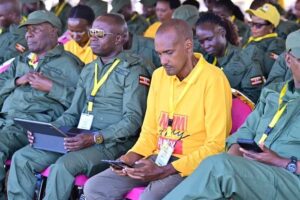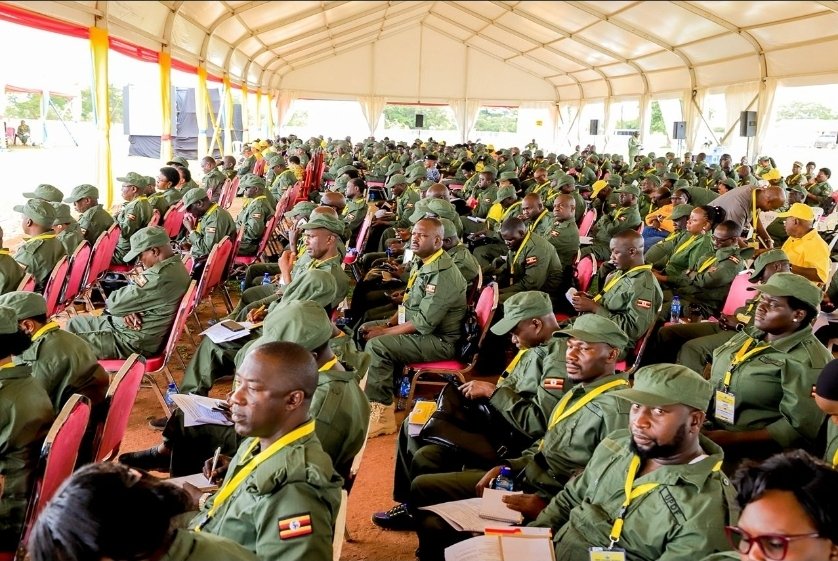
Former legislator Odonga Otto has advised newly elected Members of Parliament to take orientation programs seriously, especially those held in Kyankwanzi.
He emphasized that leadership is not only about making laws but also about how leaders present themselves in both local and international settings.
Otto noted that many MPs come from very different professional and social backgrounds, which can make it challenging for them to quickly adapt to the expectations of high-level leadership. According to him, this gap makes orientation programs extremely important.
He explained that Kyankwanzi trainings should go beyond politics and ideology. They should also focus on personal conduct, etiquette, and confidence-building for leaders who may find themselves representing the country on global platforms.
Otto stressed that being an MP comes with unexpected opportunities. He said that once sworn in, a leader could suddenly be invited to important international meetings or dinners with powerful individuals from across the world.
He gave an example of situations where MPs may find themselves dining in major cities like New York or Paris with top government officials, diplomats, and influential personalities. In such settings, small mistakes can create a lasting impression.
According to Otto, something as simple as not knowing how to properly use a fork and knife can become embarrassing. He warned that such moments can lower a leader’s confidence and affect how others perceive them.
He added that these are not just minor issues but part of a bigger picture of leadership. The way a person behaves at the table, speaks, or carries themselves reflects on their country as well.
Otto emphasized that Uganda’s image abroad depends partly on how its leaders present themselves. Therefore, proper grooming and etiquette should be taken seriously during training sessions.
He also pointed out that confidence comes with preparation. When leaders are well-trained in both formal conduct and communication, they are able to engage freely without fear of making mistakes.
In his remarks, Otto encouraged organizers of Kyankwanzi programs to include sessions on social etiquette, communication skills, and international relations basics.
He said such knowledge would help MPs avoid awkward situations and instead focus on building meaningful relationships with global partners.
Otto also highlighted that leadership today is global. Even local leaders must be ready to operate in international environments at any time.
He warned that ignorance in such situations is not an excuse, especially for individuals holding public office. Leaders are expected to continuously learn and improve themselves.

He further explained that orientation programs are not meant to belittle anyone but to prepare them for the responsibilities ahead.
Otto called on MPs to approach these trainings with humility and openness, rather than seeing them as unnecessary or time-wasting.
He also noted that good manners and proper conduct can open doors. People are more likely to trust and respect leaders who present themselves well.
According to him, leadership is about influence, and influence is shaped by both knowledge and behavior.
He urged MPs to remember that they are ambassadors of their country wherever they go, whether in Uganda or abroad.
Otto concluded by saying that small details, like dining etiquette, can make a big difference in how leaders are perceived on the global stage.
His message serves as a reminder that effective leadership goes beyond politics and includes personal discipline, awareness, and continuous learning.