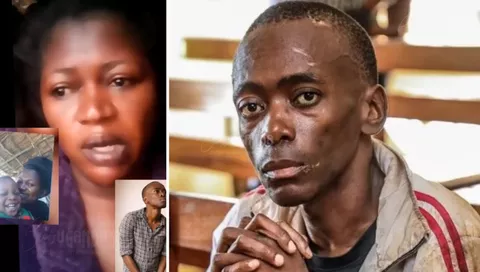
Ugandan singer Fik Fameica has stirred up controversy with his bold comments regarding the ongoing murder case of Christopher Okello Onyum. The artist, known for his outspoken nature and ability to command attention, has expressed that Okello should be granted bail.
However, his statement is not one that would typically be expected from someone commenting on a high-profile murder case. Rather than backing the legal process, Fameica seems to suggest that granting bail could lead to some form of public retribution.
His words have ignited debates across social media platforms, with many questioning whether his remarks are responsible or whether they further complicate the already contentious situation surrounding Okello’s alleged crime.
The case in question revolves around Okello’s involvement in the brutal murder of a child at a school in Ggaba. The young victim’s death has shocked the nation and led to widespread public outrage. As more details emerge, the question of Okello’s guilt remains a central point of discussion.
With prosecutors struggling to find key evidence to pin the crime directly on Okello, the public has been left to grapple with the gaps in the legal proceedings and their own emotions about the case.
Fik Fameica’s statement, “They should grant him bail,” comes as a surprise, especially given the gravity of the charges. Okello is facing accusations of a horrific crime that, if proven true, would certainly merit the severest of punishments. However, Fameica seems to suggest that granting Okello bail would somehow lead to a form of justice outside the courtroom.

According to Fameica, the public would then have the opportunity to “punish him.” These words, while shocking, seem to reflect a frustration that many people feel about the slow and sometimes murky process of legal justice in high-profile cases.
The idea of allowing Okello to be released on bail raises numerous concerns. Murder, particularly the brutal killing of a child, is a capital offense in Uganda, and granting bail in such cases is uncommon.
The purpose of bail is to allow a defendant to remain free while awaiting trial, but this freedom can be seen as a privilege that should not be extended to someone accused of such a serious crime, especially when public sentiment is so high. Many argue that Okello’s release on bail could result in chaos, potentially encouraging vigilante justice or public outcry.
Fameica’s comments suggest that he believes the public’s outrage is so great that it could lead to a more severe form of punishment outside the formal legal system. While this might reflect the anger and desire for immediate retribution that many feel, it also raises questions about how such statements can influence public opinion and justice.
Should individuals be allowed to dictate the consequences of crime before a fair trial has been conducted? Fameica’s words seem to suggest that, in this case, the court of public opinion should take precedence over legal proceedings.
Furthermore, Fameica’s suggestion that the public should take matters into their own hands raises concerns about the integrity of the justice system. Public justice, driven by emotion and outrage, can lead to dangerous outcomes. The risk of mob mentality, especially in high-profile cases where emotions are running high, can result in unfair treatment, harm to the accused, or even the erosion of basic human rights.
While the pain of the victim’s family and the outrage of the public are understandable, they must not overshadow the fundamental principle of innocent until proven guilty.
The murder of a child in Ggaba has understandably shaken the entire community. The senselessness of the crime, combined with the details that continue to emerge about Okello’s movements and actions, has led many to call for swift justice. People want to see Okello face the consequences of his actions, but it is important to remember that the legal system is in place to ensure that justice is served fairly, without bias or prejudice.
Fameica’s call for bail may reflect a sense of impatience, but it also serves as a reminder of the dangers of allowing public sentiment to dictate the course of justice.
Another issue that Fameica’s statement touches on is the role of celebrities in shaping public opinion. As a well-known figure in the Ugandan entertainment industry, Fik Fameica’s words carry weight. Celebrities often have a platform that allows them to influence millions of people, and their comments can have a profound impact on the public’s perception of a case.
In this instance, Fameica seems to be amplifying the emotions surrounding the case, which could ultimately lead to further division. While his statement may reflect the anger and frustration of many Ugandans, it also presents a problematic view of justice.

There are those who argue that Fameica’s suggestion is not one of true justice but rather a reflection of the desire for immediate satisfaction. Justice, however, requires a fair trial, evidence, and the careful weighing of facts. In cases involving murder, particularly one as traumatic as this, the pursuit of justice cannot be rushed. Fameica’s comments, while possibly born out of a desire for quick retribution, undermine the legal system’s ability to provide a fair trial.
At the same time, Fameica’s statement does bring to light some of the challenges that the prosecution is facing in the Okello case. With key evidence missing or hard to prove, such as video footage or forensic evidence linking Okello to the murder, the case remains weak in many areas. Prosecutors are grappling with the difficulty of building a solid case, and as a result, the public may feel as though justice is slipping away. The desire for bail may stem from this perception of a slow-moving legal system, where outcomes are uncertain, and the truth is hard to uncover.
As Fameica’s words circulate and attract attention, many people are left wondering whether they reflect the frustration of a nation that wants answers. The call for Okello’s release on bail is not simply about the legal proceedings; it is also a reflection of the deep emotional toll that crimes like this take on a community. But while emotions are high, they must be tempered by a commitment to ensuring that justice is served properly and fairly, regardless of how long it takes.
One of the most important points in the ongoing case is whether Okello will be granted bail at all. As mentioned, murder is a capital offense, and the charges against him are serious. The high court will have to carefully weigh the evidence, or lack thereof, in order to make a decision on his release. In any case, if he is granted bail, the conditions will likely be strict, and the public’s reactions will only become more intense.
The situation is far from simple. On one hand, there are those who want Okello to face the full consequences of his actions, and there are others, like Fameica, who suggest that a swift and public form of punishment is the answer. However, this does not solve the greater issue: how can the legal system navigate a situation where the public has already made up its mind, and how can it ensure that justice is done without being swayed by emotion?
In the weeks to come, the fate of Christopher Okello will be decided in the courtroom. As Fik Fameica’s comments continue to circulate, they may influence the public’s perception of the case, but they should not be allowed to cloud the fundamental principles of justice. The court must rely on evidence, facts, and the law, not on public sentiment or calls for retribution. The challenge now is to ensure that the legal system remains fair, transparent, and focused on delivering justice for all parties involved, including the victim’s family, the accused, and the people of Uganda.