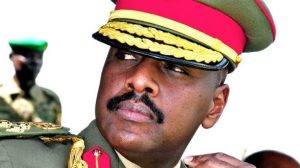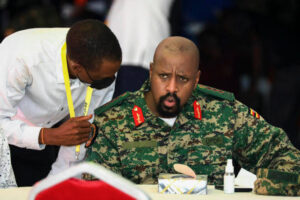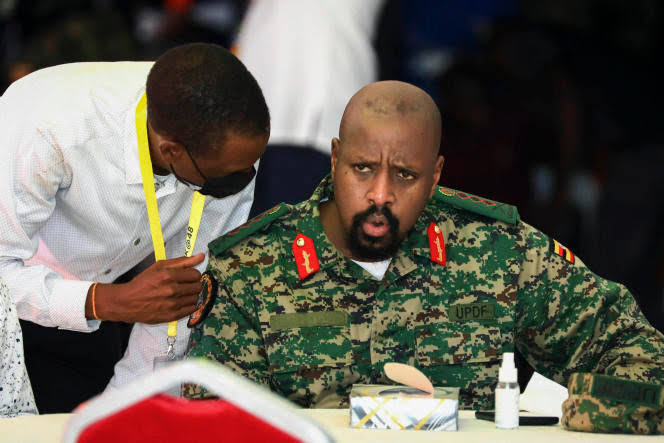
A fresh wave of concern has emerged after Muhoozi Kainerugaba issued a strong statement suggesting that Uganda could soon cut diplomatic relations with Turkey.
In his remarks, Muhoozi described the situation as “very serious,” urging the public to move beyond what he referred to as “Twitter games” and focus on the gravity of the matter. His tone signaled a sharp escalation in rhetoric.
He further stated that Uganda may close diplomatic ties with Turkey “very soon,” a move that, if implemented, would mark a significant shift in international relations between the two countries.
Muhoozi’s comments have sparked widespread speculation about what could have triggered such a strong position. However, no official explanation has yet been provided to the public.
The statement also included a pointed remark questioning the value of maintaining a relationship with what he described as a “friend” who allegedly “keeps stabbing you in the back.”
This language has drawn attention both locally and internationally, with many observers interpreting it as a sign of deepening tensions behind the scenes.
Uganda and Turkey have, in recent years, maintained diplomatic and economic ties, including trade and cooperation in various sectors. A breakdown in relations could therefore have far-reaching consequences.

Experts warn that cutting diplomatic relations is a serious step that can affect trade, travel, investment, and the welfare of citizens living in either country.
The lack of official communication from the Ugandan government has left many citizens uncertain about the current state of affairs. Questions remain about whether Muhoozi’s remarks reflect official policy.
Some Ugandans have expressed concern about the potential impact on businesses and individuals who rely on connections with Turkey for trade and employment.
Others have supported the strong stance, arguing that national interests and security should come first, even if it means making difficult diplomatic decisions.
The statement has also reignited debate about the role of public communication in sensitive international matters, especially when such messages are delivered through informal platforms.
Diplomatic analysts note that statements of this nature can influence international perception and may prompt responses from the other country involved.
So far, there has been no immediate public reaction from Turkish officials, but observers expect that any escalation could lead to formal diplomatic engagement.
The situation has also raised concerns among Ugandans currently living or working in Turkey, who may be affected if relations deteriorate further.

Travel and visa arrangements could also be impacted if diplomatic ties are reduced or severed, adding to the uncertainty faced by citizens.
Meanwhile, calls are growing for clear and official communication from government authorities to clarify the situation and guide the public appropriately.
Some experts caution that while strong rhetoric can signal seriousness, actual diplomatic decisions typically involve careful negotiation and consultation.
As the situation develops, many are watching closely to see whether the statements will translate into concrete actions or remain part of political messaging.
For now, the warning has placed Uganda–Turkey relations under intense scrutiny, with uncertainty surrounding what steps may follow.
The coming days are expected to be critical, as both citizens and observers await further clarification on what appears to be an increasingly tense diplomatic situation.