CREATOR: gd-jpeg v1.0 (using IJG JPEG v62), quality = 82
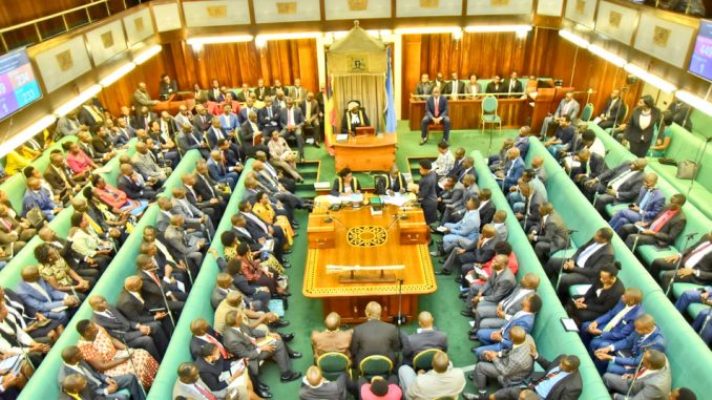
A fresh wave of debate has emerged across the country following reports that incoming Members of Parliament in Uganda’s 12th Parliament are set to receive approximately Shs415 million each even before taking their oath of office. The revelation has sparked widespread concern about government spending and priorities.
The financial package, which has attracted both criticism and defense, is made up of two key components. These include a Shs100 million cash pledge reportedly promised during a political retreat, and a Shs315 million vehicle allowance funded by taxpayers.
This means that each legislator is guaranteed a substantial sum of money before officially beginning their duties in Parliament. For many citizens, the timing and size of the allocation have raised serious questions about accountability.
The vehicle allowance alone represents a major financial commitment by the government. With 529 MPs expected in the 12th Parliament, the total cost of the vehicle grant is estimated at Shs166.8 billion for the 2026/2027 financial year.
This marks a notable increase from the previous Parliament, where each MP received about Shs200 million for the same purpose. Officials have attributed the rise to increasing vehicle prices and inflation.
Supporters of the allocation argue that providing MPs with a one-time vehicle grant is more cost-effective than maintaining a government fleet of vehicles. They say this approach reduces long-term maintenance costs.
However, critics strongly disagree, pointing out that such large sums place an additional burden on taxpayers. Many argue that the funds could instead be directed toward essential sectors such as healthcare, education, and infrastructure.

The Shs100 million cash pledge has also drawn significant attention, particularly because it is said to have been promised during a political gathering. This has raised concerns about fairness and transparency in the distribution of public resources.
Some observers believe that such financial incentives may influence political loyalty rather than promote effective service delivery. This perception has fueled public frustration, especially among citizens already struggling with the high cost of living.
Civil society organizations have also weighed in on the matter, warning that the increasing cost of governance could erode public trust in leadership. They argue that government spending should reflect the urgent needs of the population.
Many Ugandans have taken to social media to express their dissatisfaction, questioning why leaders receive such benefits while ordinary citizens face economic hardships. The issue has quickly become a topic of national discussion.
At the same time, some political analysts suggest that these allocations are not new, but rather part of a long-standing system of parliamentary facilitation. They argue that the real issue lies in broader structural reforms.
Others, however, insist that the growing size of these benefits signals a worrying trend. They say it reinforces the idea that public office is becoming increasingly attractive for financial gain rather than public service.

The development comes at a time when the government is facing pressure to manage public debt and improve service delivery. This has made the large payouts even more controversial.
Questions are now being raised about how such expenditures are approved and whether there is sufficient oversight in the budgeting process. Transparency advocates are calling for greater scrutiny.
Despite the criticism, there has been little indication that the allocations will be reversed. The funds are already included in the national budget, making them difficult to alter at this stage.
As preparations for the 12th Parliament continue, attention is now shifting to how the MPs will utilize these funds. Many citizens are eager to see whether the money will translate into improved representation.
There is also growing demand for accountability, with calls for MPs to demonstrate value for the resources allocated to them. Some believe this could be an opportunity for leaders to rebuild public trust.
Ultimately, the controversy highlights the ongoing tension between government spending and public expectations. It raises important questions about priorities, fairness, and responsible use of taxpayer money.
As the new Parliament prepares to convene, the debate is unlikely to fade anytime soon. For many Ugandans, the issue goes beyond the money—it is about trust, leadership, and the future direction of the country.