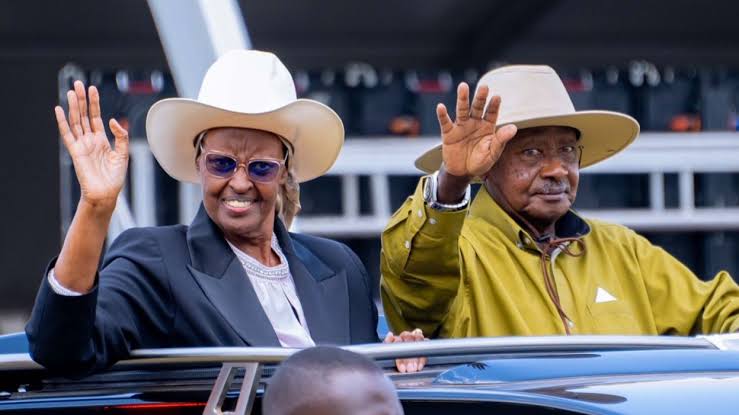
A wave of public debate has erupted after Yoweri Museveni pledged to give Shs100 million to each Member of Parliament-elect aligned with the ruling party, raising serious questions about the source of the funds.
The controversy stems from comparisons being made between the President’s reported monthly salary of about Shs3.5 million and the massive financial commitment implied by the pledge. Many Ugandans are now asking how such a large amount of money can be mobilized.
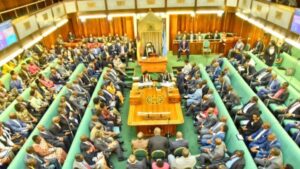
Following the 2026 general elections, the ruling party secured approximately 370 parliamentary seats. This means the total pledge could amount to nearly Shs37 billion, a figure that has shocked many citizens.
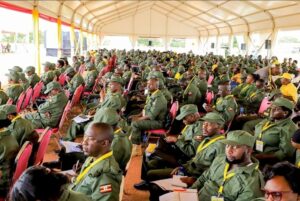
The pledge was reportedly made during a retreat where the President addressed MPs-elect, emphasizing the need to fight corruption and ensure proper use of public resources. However, many people feel that the message contradicts the action.
Across social media platforms, Ugandans have been expressing frustration and disbelief. Some users have openly questioned whether the funds are personal or derived from state resources.
One concerned citizen wondered how someone earning a modest official salary could afford to distribute such large sums of money, sparking a wider discussion about transparency in leadership.
Others have pointed out the economic struggles faced by ordinary citizens, arguing that such financial gestures come at a time when many people are struggling to make ends meet.

Critics argue that if such amounts of money are readily available, they should instead be directed toward improving public services such as healthcare, education, and infrastructure.
Some voices have gone further, suggesting that the funds may ultimately come from taxpayers, thereby increasing the burden on citizens who are already facing financial pressure.
The debate has also highlighted concerns about government priorities. Many Ugandans believe that resources are not being allocated in a way that benefits the majority of the population.
Questions are also being raised about the broader implications of such pledges. Some analysts warn that large financial incentives in politics could undermine accountability and encourage opportunistic behavior.
At the same time, others have challenged the MPs-elect themselves, urging them to reject the money if they truly stand against corruption and financial misuse.
The situation has also drawn attention to disparities in public sector pay. Some citizens are asking why teachers, health workers, and other civil servants continue to earn low salaries while politicians receive substantial financial benefits.
The Parish Development Model (PDM), which the President has often promoted as a tool for economic transformation, has also been brought into the discussion. Critics argue that funds should be prioritized toward such initiatives.

Despite the backlash, supporters of the President argue that the pledge may be intended to facilitate MPs in carrying out their duties effectively, particularly in their constituencies.
However, this argument has not convinced many citizens, who insist that transparency and accountability must come first in matters involving large sums of money.
The debate has also reignited concerns about the increasing cost of politics in Uganda. Some observers warn that such trends could make leadership positions more about financial gain than public service.
Political tensions are also being linked to such financial incentives, with some citizens suggesting that they contribute to the high-stakes nature of elections in the country.
As the discussion continues, many Ugandans are demanding clear answers about the origin of the funds and how they will be distributed. Transparency advocates are calling for official clarification.
Ultimately, the controversy reflects deeper concerns about governance, accountability, and fairness in the use of national resources.
As the country moves forward, citizens will be watching closely to see whether these questions are addressed or whether the issue will further erode public trust in leaders.