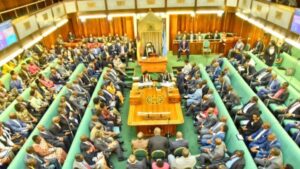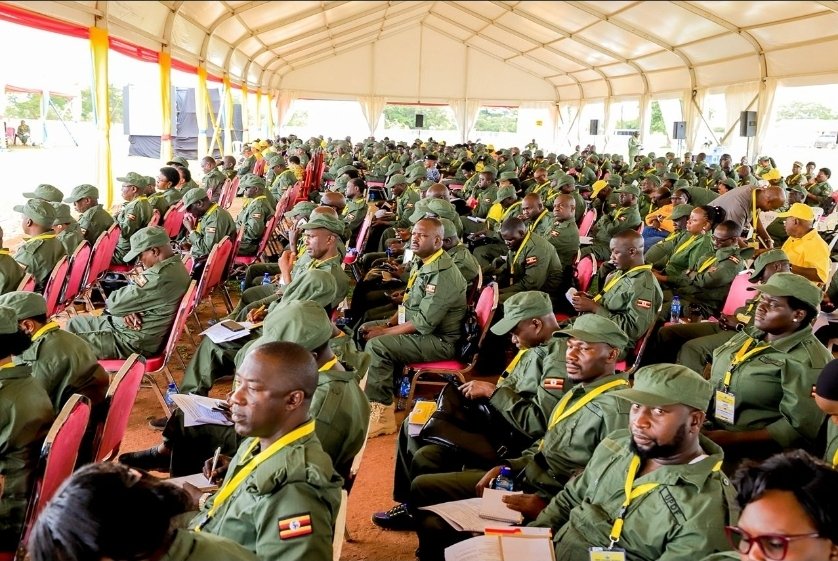
President Yoweri Museveni has reportedly awarded Shs100 million to each Member of Parliament who attended the recent retreat at Kyankwanzi National Leadership Institute, a move that has quickly stirred public debate across the country.
The development, described by some as a motivational gesture, has raised eyebrows among citizens who are already questioning the rising cost of governance. The announcement was made during the retreat, which brought together legislators, particularly those aligned with the ruling party.
Sources indicate that the cash reward was given to MPs who actively participated in the sessions at Kyankwanzi. The retreat is often used as a platform to align leaders on national priorities and government programs.
While some MPs welcomed the gesture, describing it as support to facilitate their work, others have remained quiet amid growing criticism from the public. The timing of the payout has particularly drawn attention.
For many Ugandans, the Shs100 million reward comes at a time when the country is grappling with economic challenges, including high living costs and pressure on public services such as healthcare and education.
Critics argue that such large sums of money could be better invested in critical sectors that directly impact citizens’ livelihoods. They question whether the funds reflect the country’s most urgent needs.
The retreat at Kyankwanzi has historically been associated with key political decisions and policy discussions. However, this latest development has shifted focus from policy to financial incentives.

Observers say the move may be aimed at strengthening unity and loyalty within the ruling party ranks, especially as the country prepares for a new parliamentary term.
At the same time, civil society organizations have expressed concern over transparency and accountability in how such funds are distributed. They are calling for clearer explanations regarding the source of the money.
The issue has also sparked intense debate on social media, with many citizens expressing frustration and disbelief. Some have described the payout as excessive, while others see it as part of political strategy.
Supporters of the President argue that leaders require facilitation to effectively carry out their duties, and that such gestures should not be misunderstood.
However, critics maintain that public officials should prioritize service delivery over personal financial gain. They warn that such actions risk damaging public trust in leadership.
The Shs100 million payout comes in addition to other financial benefits that MPs are expected to receive, further fueling concerns about the overall cost of maintaining Parliament.
Political analysts suggest that while the gesture may have short-term political benefits, it could have long-term implications for public perception and governance.

Some experts have also pointed out that the increasing financial incentives associated with political office may attract individuals motivated by money rather than public service.
Despite the controversy, there has been no official indication that the payments will be reconsidered or withdrawn. The MPs who attended the retreat are expected to receive the funds as planned.
Meanwhile, attention is now turning to how these leaders will use the money and whether it will have any tangible impact on their constituencies.
There are also calls for Parliament to provide more transparency regarding allowances and benefits given to legislators. Many believe this would help restore public confidence.
As discussions continue, the Kyankwanzi retreat has once again become a focal point of national conversation, not just for its political significance but also for its financial implications.
The situation highlights the ongoing tension between leadership privileges and public expectations in Uganda’s governance landscape.
As the country moves forward, many citizens will be watching closely to see whether such financial decisions translate into improved service delivery or deepen concerns about accountability.