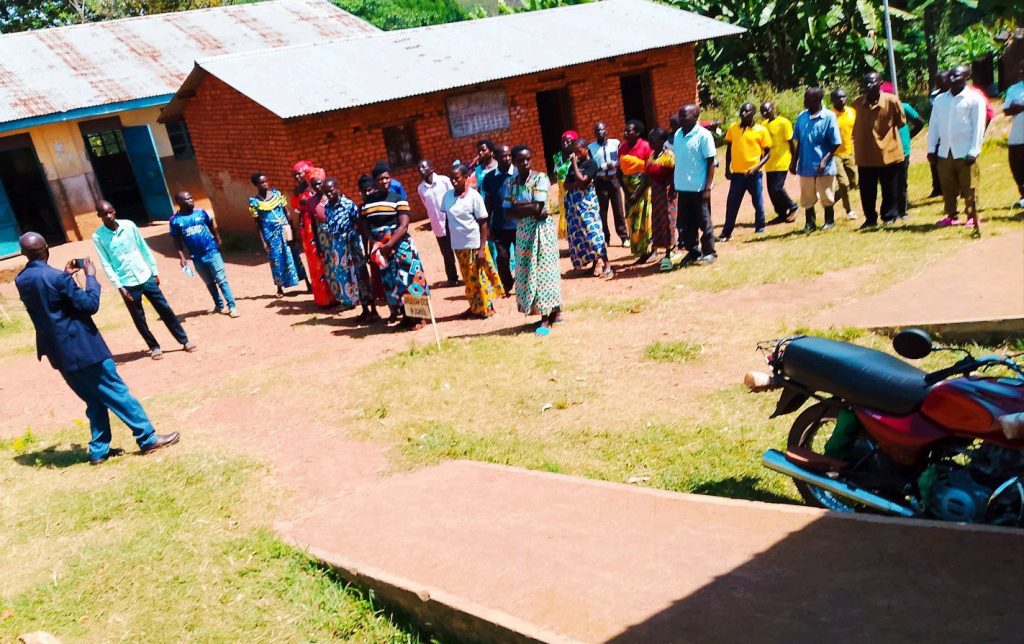
Padea Ulyeko Government-Aided Primary School in Abanga Sub-county is grappling with an unprecedented learner retention crisis, as over 750 pupils—nearly 70 percent of its student body—dropped out between Term I and Term III of 2025. This represents the highest dropout rate in the school’s three-decade history.
During the school’s Annual General Meeting on December 2, Headteacher Richard Wanadi revealed that enrolment plunged from 1,086 learners at the start of the year to just 334 by the end of Term III. The alarming figures were verified with local leaders and reflect a widespread pattern of absenteeism across the surrounding communities.
Villages registering the highest dropout numbers include Nsangi (83), Pavur (69), Andhi (67), Acu Cell (58), and Ucol (59), highlighting specific areas where children are most at risk of leaving school prematurely.
Mr. Wanadi attributed the crisis to social and economic pressures, including cross-border coffee trading with DR Congo, the rise of street vending among youth—particularly roasted maize sales—and the withdrawal of learners for agricultural labor in Nyapea and Atyak sub-counties.
Parents attending the AGM admitted lapses in monitoring their children’s education. Former teacher James Openji warned that the trend had already resulted in “a full academic year of learning loss,” threatening long-term educational outcomes for the community.
The dropout phenomenon mirrors a broader district-wide challenge. Zombo’s 92 government-aided primary schools have been severely affected by absenteeism, exacerbated by the 32-day nationwide teachers’ strike earlier in Term III, leaving thousands of children without instruction for over a month.
District and sub-county leaders are calling for urgent interventions. Abanga Sub-county LCIII Chairperson Richard Awekunimungu pointed to seasonal farm labor as a key driver, while Paidha Town Council LCIII Chairperson Innocent Godfred Onega urged the creation of a coordinated retention strategy. District Education Officer Patrick Angala emphasized that uncontrolled dropout rates threaten the district’s educational progress.
Zombo, and the wider West Nile Sub-region, already face severe literacy challenges, with a functional literacy rate of just 7.8 percent and 28.7 percent of residents having never attended school. Nationally, over 40 percent of pupils fail to complete primary school, with girls disproportionately affected due to early pregnancies, child marriage, and entrenched poverty. Community leaders and civil society organizations are now calling for targeted retention programs to preserve Universal Primary Education gains and prevent further erosion of educational opportunities.