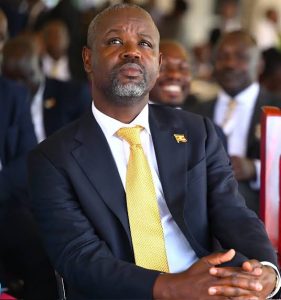
Gen Kahinda Otafiire has criticised Uganda’s digital number plate system, describing the project as useless and questioning why the government opted to import technology instead of improving existing local systems. The minister, who previously served as Minister of Internal Affairs, argued that Uganda could have achieved similar security objectives by strengthening police surveillance infrastructure and supporting local manufacturers.
Otafiire said the country already had a police camera network that was operational in areas where cameras had been installed, although some equipment needed repairs. He questioned why the government pursued a foreign technology provider instead of investing in systems that were already available within the country.
The minister also challenged the decision to contract Russian-based Joint Stock Company Global Security (JSCGS) to implement the Intelligent Transport Monitoring System (ITMS). He argued that tracking devices could have been incorporated into Gordon Wavamuno’s existing number plate system at a comparable cost, allowing local production to continue.

“Why did we have to shut down our own factory in order to import things we could make here?” Otafiire asked, expressing concern over the decision to rely on imported technology. He added that he had not seen enough evidence to convince him that the digital number plate system had significantly improved security.
Otafiire further questioned a demonstration by JSCGS at the police central monitoring centre in Naguru. According to him, the company presented the system using two computers, but his information technology experts struggled to understand what was being demonstrated. He also alleged that an attempt to connect the system to an existing police platform for issuing instant traffic penalties was followed by serious unrest, which he described as an incident that nearly caused a civil war.
His objections date back to August 2023, when he appeared before Parliament’s Committee on Physical Infrastructure and questioned the foreign contractor’s involvement in Uganda’s security infrastructure. He said he had advised President Yoweri Museveni to allow the company to work with local number plate manufacturers and referred to concerns raised during a police-led assessment of the technology.
The digital number plate project is now facing renewed scrutiny over its contract, cost, implementation delays and security benefits. The government signed a 10-year agreement with JSCGS in July 2021, while the Uganda Manufacturers Association has raised concerns that the arrangement disadvantaged local manufacturers. On October 6, 2026, Attorney General Sam Mayanja reportedly told the parliamentary committee that the agreement was legally null and unenforceable, although JSCGS has presented documents defending the contract’s legality.
Parliament is examining whether the reported Shs714,300 cost of the digital number plates is justified by their security benefits, alongside concerns about supply delays and vehicle tracking effectiveness. Otafiire’s latest remarks have added to the debate over whether the project offers value for money and whether strengthening existing police systems and local manufacturing would have been a better alternative. The committee’s findings are expected to shed further light on the legal, financial and operational questions surrounding the project.