Uganda’s President, Yoweri Museveni, has opened up about several moments in his life when he strongly believes that God performed miracles for him. Speaking during a thanksgiving event, the President explained that these experiences deeply strengthened his faith and shaped the way he views life and leadership.
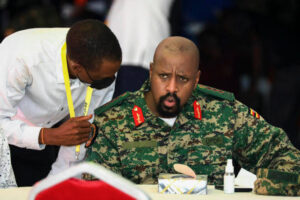
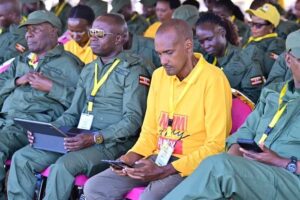
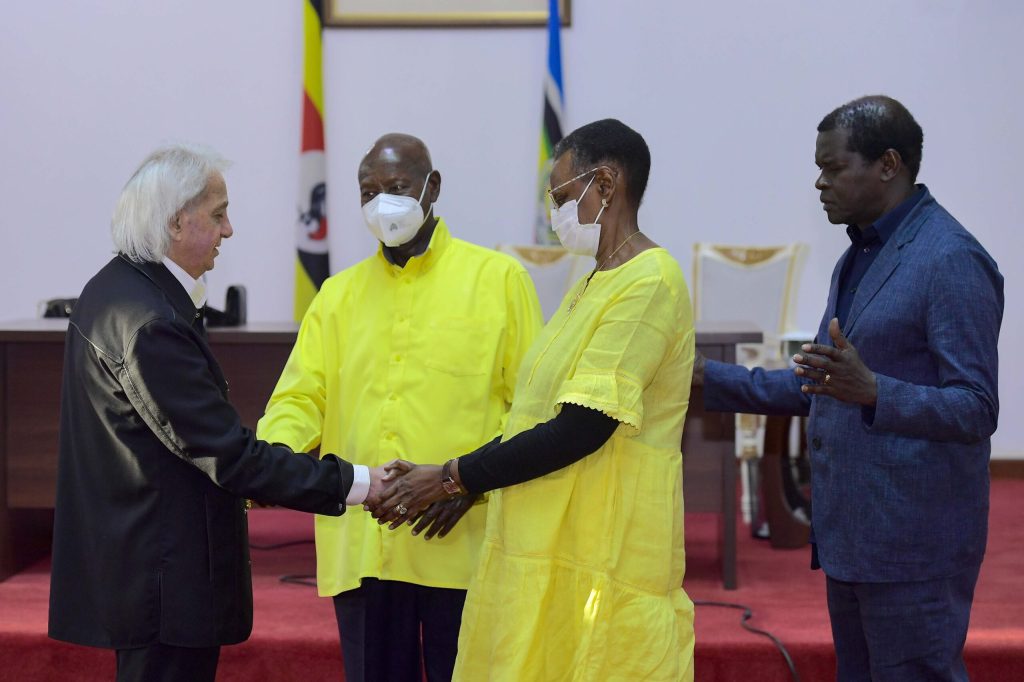
Museveni shared the stories on Wednesday, March 4, during the thanksgiving celebration of Tarehe Sita held at Mbuya Military Barracks in Kampala. The event brought together military leaders, government officials, and invited guests to reflect on the journey of the country and the sacrifices made during the liberation struggle.
While addressing those present, the President warned people who openly say they do not believe in God. According to him, life experiences sometimes reveal things that human beings cannot fully explain without acknowledging divine intervention.
Museveni said there are at least four major occasions in his life where he believes God directly intervened. Some of these events happened during the difficult days of the liberation war, while others occurred in his personal life long before he became president.
The first story he shared took place during preparations for the famous raid on Kabamba Barracks at the start of the National Resistance Army struggle in 1981. At the time, Museveni and his colleagues were trying to gather important information about weapons stored inside the barracks.
He explained that their original plan was to capture someone working inside the barracks and force them to reveal whether the guns they wanted to seize were still there. The fighters believed that getting accurate information was necessary for the success of their mission.
However, the plan took a surprising turn when they unexpectedly met someone who was already willing to help them. Instead of forcing the person to cooperate, the insider voluntarily provided the information they needed.

Museveni described this moment as one of the miracles he witnessed. According to him, they had not planned to meet a cooperative insider, and the development made their mission easier than expected.
Another story he shared goes back many years before the war, when he was still a young student preparing for his Senior Six examinations. At that time, his father had given his mother several cows that the family depended on.
Museveni said that one day his mother urgently needed money. The only option they had was to sell one of the cows, but the young Museveni was busy revising for his A-Level exams and could not travel to the market.
While grazing the cattle in the bush, he said he decided to pray and ask God to send someone who could buy the cow directly from where he was. It was a simple prayer, but one that he believed could solve the problem.
According to him, something unexpected happened about two hours later. A man riding a bicycle suddenly appeared and said he was looking for a cow to buy.
Museveni recalled that the man introduced himself as Mpaama and explained that he had been searching for a cow. For the young student, this moment felt like an answered prayer because it solved his family’s financial need at that exact time.
The President also spoke about another moment during the February 6, 1981 attack on Kabamba Barracks. During the operation, the rebels managed to overrun the barracks but failed to access the armoury where many guns were stored.
He explained that one soldier locked himself inside the armoury with a sub-machine gun, preventing the fighters from entering and capturing the weapons. As a result, the group left with only a few small guns and some vehicles.
At the time, Museveni said the fighters were disappointed because there were about 200 larger guns inside the armoury that they had hoped to take. Missing out on them seemed like a major setback.
However, events that followed later made them see the situation differently. Museveni explained that the group had only about 41 fighters and just 27 guns when they left the barracks.
A few days later, they were attacked by Tanzanian soldiers while they were still weak and poorly armed. The fighters had to scatter and hide because they were heavily outnumbered.

Looking back, Museveni believes that if they had captured the large number of guns at Kabamba, they would have quickly lost them during that attack. According to him, it may have been God’s plan that they did not take the weapons at that time.
The President said that years later, when the rebels had grown stronger and more organized, they returned and successfully captured the weapons in 1985. To him, the timing showed that some events happen according to a greater plan.
Museveni also shared a more recent experience that nearly ended in tragedy while he was travelling in Kisozi with his wife, Janet Museveni, and their daughter.
During the journey, the President said he became distracted while pointing out different types of trees along the road. The distraction caused him to almost lose control of the vehicle.
He explained that the car nearly went off the road, but somehow he managed to regain control before a serious accident happened. Museveni described the moment as another time when he believes God protected him.
The President said such experiences continue to strengthen his belief in God. According to him, these moments remind him that faith can play a powerful role even in situations that seem ordinary or accidental.
Museveni concluded by encouraging people who doubt the existence of God to reflect carefully on the events in their own lives. He believes that when people look closely at certain moments, they may also discover signs of divine intervention.