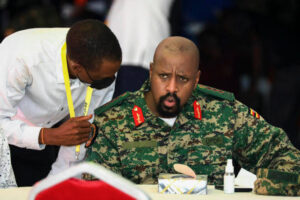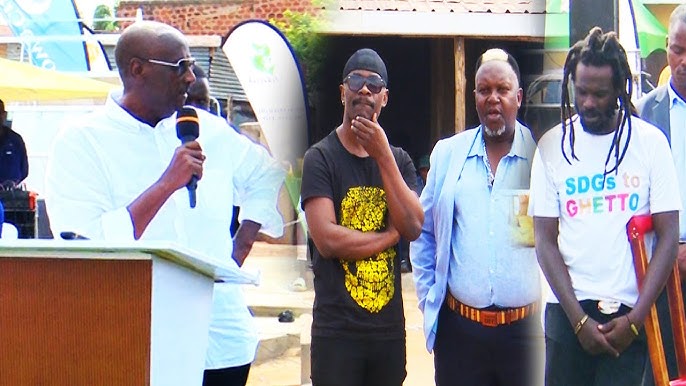
A fresh wave of debate has erupted after Gen. Salim Saleh publicly declared that he is tired of Ugandan musicians.
His blunt remarks have sparked mixed reactions across the entertainment industry and among fans.
Gen. Saleh, who is the Chief Coordinator of Operation Wealth Creation and a senior member of Uganda’s leadership, did not hide his frustration. He expressed concern about the conduct and priorities of some artists in the country.
Although he did not single out specific names, his message was clear. He suggested that many musicians are losing focus on discipline, hard work, and national development.
Saleh has for years been known as a supporter of youth empowerment and economic transformation. His comments appear to reflect disappointment that some artists are not using their influence to promote positive change.
He reportedly questioned whether musicians are playing their role in uplifting young people. According to him, artists hold powerful platforms that can shape public opinion and inspire millions.
The general hinted that instead of promoting unity and development, some musicians are fueling unnecessary conflicts and distractions. He suggested that internal fights and public insults are weakening the industry.

Observers say the music industry in Uganda has in recent years experienced frequent rivalries, social media clashes, and public controversies. Saleh’s remarks may be a reaction to this trend.
Some artists have often been criticized for focusing more on fame and personal branding than on building sustainable careers and businesses. Saleh’s comments seem to echo those concerns.
At the same time, supporters of musicians argue that the industry faces many challenges. These include lack of funding, limited infrastructure, piracy, and weak copyright enforcement.
They say artists need more structured support rather than harsh criticism. However, Saleh’s tone suggested that patience is running out.
He emphasized that young people in Uganda must prioritize wealth creation and discipline. As someone deeply involved in economic mobilization programs, he believes all sectors should contribute to national growth.
Saleh also reportedly reminded musicians that fame is temporary. He encouraged them to invest wisely and think long-term instead of chasing short-term trends.
His remarks come at a time when many artists are exploring politics, activism, and social commentary. This blending of entertainment and politics has sometimes created tension with government officials.

While some musicians have used their platforms to demand accountability and reforms, others have maintained a neutral stance. Saleh’s comments may also reflect broader political frustrations.
Despite the criticism, many fans continue to celebrate Ugandan musicians for promoting culture and creativity. The industry has produced regional and international stars who have put the country on the map.
Music remains one of the strongest voices among the youth. Concerts, festivals, and online platforms continue to attract massive followings.
Analysts believe Saleh’s statement could push industry leaders to reflect on internal organization and professionalism. It may also open dialogue between government and artists.
Some musicians have already begun responding on social media, with a few defending their contribution to society. Others have chosen to remain silent.
Whether his remarks were meant as a warning or a call for reform, one thing is clear: Gen. Salim Saleh’s statement has stirred conversation across the country.
As debates continue, the spotlight is now on Uganda’s music industry to show whether it can rise above controversy and prove its role in national development.