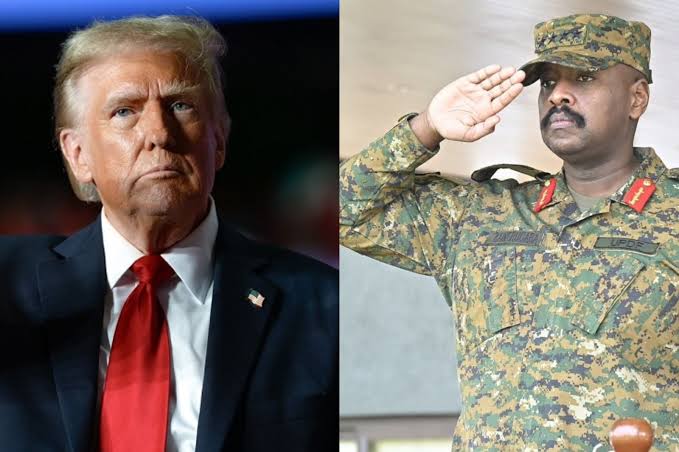
Uganda’s political and diplomatic space has been stirred after strong remarks attributed to General Muhoozi Kainerugaba directed at the United States.
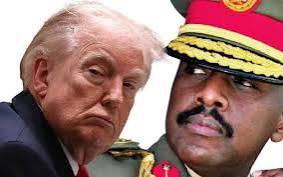
The statement, which quickly gained attention online and in public discussion, focused on issues of respect, sovereignty, and international cooperation. Many observers see the message as reflecting deeper conversations about Uganda’s relationship with global powers.
In the reported comments, Muhoozi rejected being addressed as “Commander @mkainerugaba,” insisting that his proper title is General Muhoozi Kainerugaba.
This part of the message appeared to stress the importance of recognition and respect in official or diplomatic engagement. Titles and ranks often carry weight in military and political settings.
The remarks also questioned what “red line” he may have crossed, suggesting disagreement with concerns reportedly raised from the U.S. side.
This phrase has sparked debate, as it implies tension or misunderstanding between the two sides. Diplomatic language sometimes uses such terms to signal boundaries or expectations.
A central theme in the statement was dignity. Muhoozi declared that Uganda would not accept being demeaned or degraded.

He emphasized that cooperation between countries should be based on mutual respect rather than pressure or unequal treatment.
The language about not being made “slaves” stood out strongly. Many listeners interpret this as symbolic speech pointing to national independence. Uganda, like many African nations, has a history shaped by colonialism, and references to freedom and sovereignty often carry emotional weight.
Uganda and the United States have had a long relationship involving security, development, health programs, and regional cooperation. These partnerships have supported various sectors over the years. However, such relationships can also face disagreements.
Diplomatic partnerships often involve negotiations, conditions, and expectations from both sides. When one party feels misunderstood or unfairly treated, public statements sometimes follow. These moments reveal the complex balance between cooperation and independence.
Muhoozi’s remarks seem to underline Uganda’s desire to be treated as an equal partner. Many countries emphasize this point when dealing with larger global powers. Respect for national identity and decision-making is a recurring theme in international relations.
At the same time, some analysts caution that strong public rhetoric can influence diplomatic tone. While such language may appeal to national pride at home, it can also require careful follow-up through official channels to maintain working relationships.
Public reaction to the statement has been mixed. Some Ugandans expressed support, saying leaders should firmly defend national dignity. They believe African nations should not feel looked down upon in global affairs.
Others prefer quieter diplomacy, arguing that disagreements are best handled through dialogue rather than public confrontation. They say strong partnerships can still exist even when there are differences.
The issue also highlights how social media has changed diplomacy. Statements that once might have been shared privately now reach millions instantly. This increases both transparency and tension.
The mention of reevaluating cooperation suggests that Uganda may be reflecting on how its partnerships are structured. Countries often review agreements to ensure they serve national interests and remain fair.
For the U.S., cooperation with Uganda has often included security collaboration in the region. Uganda’s role in regional stability has been recognized internationally. Changes in tone between partners can therefore attract wider attention.

Observers note that strong statements do not always mean a breakdown in relations. Sometimes they serve as signals meant to prompt discussions behind the scenes. Diplomatic ties often continue even after public disagreements.
The emphasis on dignity and equality reflects broader conversations happening across Africa. Many leaders and citizens call for partnerships that avoid dependency and promote shared benefit.
At home, such remarks can strengthen feelings of national pride. Citizens often respond positively when leaders speak about sovereignty and independence. This emotional connection can be powerful.
However, experts remind that diplomacy requires both firmness and flexibility. Maintaining cooperation while defending national interests is a delicate task.
The coming period may involve more dialogue between Uganda and its partners. Discussions could clarify concerns and outline future steps in cooperation.
In the end, Muhoozi’s statement has drawn attention to the importance of respect in international relations. It reflects the ongoing effort by nations to balance partnership with pride, and cooperation with sovereignty, in a changing global environment.