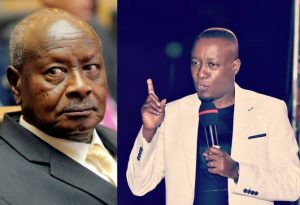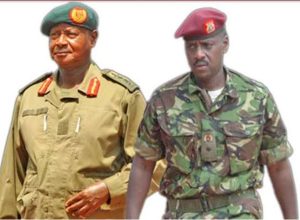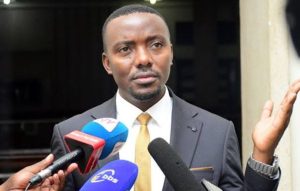
Uganda’s political scene has once again been stirred after strong remarks attributed to General Muhoozi Kainerugaba directed at senior government figure Chris Baryomunsi.
The statement, which quickly circulated in public discussions, has drawn attention because of the sharp tone used and the high profiles of the individuals involved.
Many observers see it as part of the growing trend of political exchanges happening in the public eye.
In the reported remarks, Muhoozi appeared to suggest that Baryomunsi should be more concerned about legal troubles than political debates.
The wording has been interpreted by different groups in different ways, with some seeing it as a political attack while others view it as rhetoric common in heated political environments.
Chris Baryomunsi is a well-known figure in Uganda’s leadership circles, having held several government roles over the years. His name often appears in national discussions on governance, policy, and development. Because of his position, any public criticism directed at him naturally attracts wide attention.
Muhoozi, on the other hand, is also a prominent public figure whose statements often generate headlines. His remarks frequently blend political, social, and national security themes, making his voice influential in Uganda’s public space. When he speaks, supporters and critics alike tend to respond quickly.

The phrase about being “worried about jail” has especially fueled debate. Some people interpret it as symbolic political language rather than a literal legal claim. Political speech in many countries often includes dramatic expressions meant to send strong messages rather than to present formal accusations.
Others, however, feel such statements should be handled carefully. Public comments suggesting legal trouble can affect reputations and create speculation, especially when no official charges or legal actions have been announced. This has led to discussions about responsibility in political communication.
Uganda’s political environment has grown more outspoken in recent years, with leaders using social platforms and public forums to express opinions directly. This has made political exchanges more visible and sometimes more intense than in the past.
Supporters of Muhoozi may see the remarks as a sign of boldness and openness. They argue that leaders should speak their minds about issues affecting the country, including concerns about accountability and governance. For them, strong language can signal seriousness.
Critics, however, worry that heated rhetoric can increase tension. They say leaders should promote calm and respectful dialogue, especially when addressing fellow officials. Words from influential figures can shape public attitudes and national mood.
The exchange also highlights the close connection between politics and public perception. When leaders criticize each other openly, citizens often try to read deeper meanings into the statements. This can lead to rumors or misunderstandings.
Legal matters in Uganda, like in many countries, are handled through formal institutions such as courts and investigative bodies. Public statements alone do not determine guilt or innocence. Because of this, some analysts urge caution in interpreting political comments as legal conclusions.
The situation has once again shown how quickly political remarks can spread. Within hours, such statements often dominate radio talk shows, online platforms, and community discussions. Social media especially amplifies political voices.

Political rivalry is not new in Uganda. Leaders from different sides often disagree strongly on policy, leadership style, and national direction. Such disagreements sometimes take the form of personal criticism.
At the same time, many Ugandans hope political competition will remain peaceful and focused on issues that affect daily life. They want debates about development, services, and opportunities rather than personal conflicts.
Observers also note that political language can influence young people. When youth see leaders trading sharp words, it shapes how they understand politics. Responsible communication can therefore play a role in national stability.
The remark directed at Baryomunsi may fade over time, as many political statements do. Uganda’s news cycle moves quickly, with new issues often replacing old ones. Still, such comments leave a mark on public conversation.
Some analysts believe moments like this should encourage deeper discussion about accountability, leadership ethics, and respect among public servants. These themes are important in any democracy.
In the end, the statement attributed to Muhoozi reflects the intense and sometimes dramatic nature of political life. It shows how personalities, power, and public messaging combine to shape national dialogue.
As citizens watch these developments, many continue to hope that political leaders will balance strong opinions with unity and responsibility. Uganda’s future, they believe, depends not only on what leaders say, but also on how they work together despite differences.