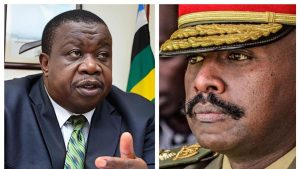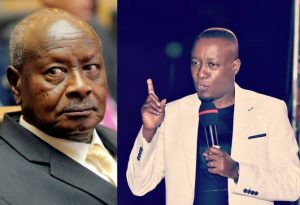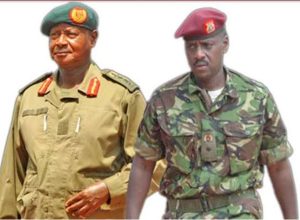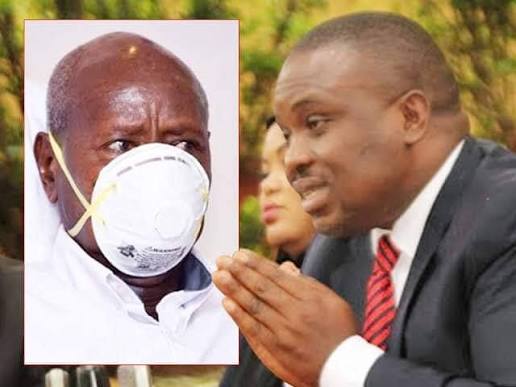
Uganda’s political spotlight has turned toward Kampala after early election developments suggested that long-serving Lord Mayor Erias Lukwago could be facing defeat.
Even before the final tally, leaders from the ruling National Resistance Movement (NRM) had already started shaping the narrative around his possible loss.
According to statements from NRM figures, Lukwago’s political troubles are being linked to what they describe as his long-standing confrontational approach toward President Yoweri Museveni and the central government. Party spokesperson Emmanuel Ddombo publicly criticized the mayor’s leadership style and political decisions.
Ddombo argued that Lukwago was advised early in his leadership journey to cooperate with the head of state for the benefit of Kampala residents. He claimed that this advice was not followed, leading to years of tension between City Hall and the central government.
The NRM spokesperson even referred to guidance allegedly given by Lukwago’s late father, who reportedly encouraged him to work closely with President Museveni. According to Ddombo, ignoring that advice contributed to what the party sees as Lukwago’s failure to deliver meaningful change.
As vote counting progressed, reports from various polling stations indicated that Lukwago was trailing behind National Unity Platform (NUP) candidate Ronald Balimwezo. These early figures added momentum to the NRM’s argument that voters may have grown tired of Lukwago’s approach.
Lukwago has held the position of Lord Mayor since 2011. His time in office has been marked by continuous political and institutional battles, particularly following the restructuring of Kampala’s governance system.

The introduction of the Kampala Capital City Authority (KCCA) Act in 2010 dramatically altered the power structure of the city. The law replaced the old Kampala City Council and shifted executive authority away from elected leaders.
Under the KCCA arrangement, the Lord Mayor’s role became largely ceremonial and supervisory. Real executive powers were handed to an Executive Director appointed directly by the president, significantly changing how the city is managed.
Critics of the reform, including Lukwago himself, have long argued that this move weakened local democratic authority. They say it concentrated too much control in the hands of central government officials and technocrats.
President Museveni, however, has defended the KCCA model. He has repeatedly said the reforms were necessary to restore order, improve service delivery, and prevent Kampala from sliding into administrative chaos.
Over the years, the relationship between Lukwago and the KCCA leadership has often been tense. Disagreements over budgets, projects, and administrative decisions frequently led to public disputes and stalled initiatives.
These clashes extended to ministers and presidential appointees overseeing city affairs. Lukwago consistently accused the central government of undermining his mandate, while government officials accused him of being obstructive.
Supporters of Lukwago argue that he stood firm in defending the interests of Kampala’s residents and the principle of local democracy. They see his confrontations with central authorities as a sign of resistance rather than failure.
On the other hand, NRM supporters claim that constant political battles slowed development. They believe cooperation between city leadership and central government could have led to faster improvements in infrastructure and services.

The political contest in Kampala has always carried national significance. As the capital city, Kampala often reflects wider political tensions between opposition forces and the ruling party.
Ronald Balimwezo’s strong performance in early results signals shifting dynamics within opposition politics as well. His candidacy under the NUP banner shows the growing influence of new political actors in urban areas.
For voters, the election is not only about personalities but also about governance models. Some may favor a leader who openly challenges central authority, while others prefer one who seeks closer cooperation.
Analysts note that the Lord Mayor’s office has operated under limitations since the KCCA reforms. This has made it difficult for any holder of the position to fully meet public expectations.
As the final results approach, the debate over Lukwago’s legacy is likely to intensify. Supporters will highlight his resilience and advocacy, while critics will point to years of institutional conflict.
Whatever the outcome, the election underscores the ongoing tension between centralized control and local political leadership in Uganda. The direction Kampala takes next could influence how urban governance is debated across the country.