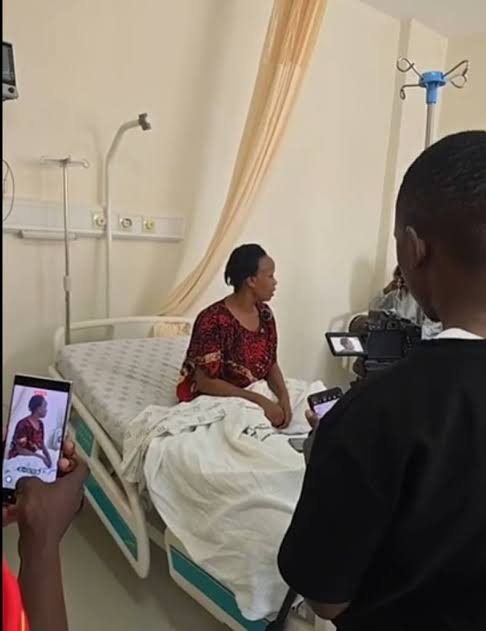
Shock and dismay gripped many Ugandans this week after Barbie Kyagulanyi, wife of opposition leader Robert “Bobi Wine” Kyagulanyi Ssentamu, was rushed to hospital following a violent military raid on her family home in the Magere area of Kampala.
Security forces, including soldiers from the Uganda People’s Defence Forces (UPDF) and the elite Special Forces Command (SFC), allegedly stormed the residence late at night in a search for her husband, who has been in hiding since contesting the controversial January 15 presidential elections.
According to Mr. Kyagulanyi, who later posted details of the incident on his social media account, armed soldiers broke down doors, shattered windows, and forced their way into the house without warning.
Neighbors reported seeing multiple military vehicles, some unmarked and with masked personnel, enter the area around 10 p.m. The scene was described as aggressive and unexpected.
Inside the home, the situation quickly escalated. Security operatives allegedly put Barbie Kyagulanyi at gunpoint, demanding to know the whereabouts of her husband. When she told them she did not know and refused to reveal Mr. Kyagulanyi’s location, her ordeal took a brutal turn.
Witnesses said soldiers forcefully seized mobile phones, laptops, CCTV systems, and other personal electronics from the house. They reportedly ordered Barbie to unlock her phone; when she refused, she was physically assaulted. Mr. Kyagulanyi said that his wife was strangled and insulted during the attack.
Describing the traumatic incident from her hospital bed later, Barbie recounted how she stood her ground despite being overwhelmed by armed men. At one point, a gunman is reported to have pulled her by the hair and struck her head against a pillar, leaving her unconscious.

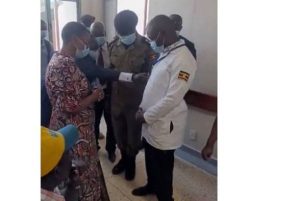
Doctors at Nsambya Hospital admitted her overnight, where she is being treated for bruises, anxiety, and the psychological shock of the raid. Family members and medical staff confirmed that she needs time to recover from both physical and emotional trauma caused by the invasion.
The attack on the home took place against the backdrop of a wider security crackdown on opposition figures following the disputed presidential election, in which Mr. Kyagulanyi rejected the official results that declared President Yoweri Museveni winner with more than 70% of the vote.
Mr. Kyagulanyi and his National Unity Platform (NUP) party have repeatedly claimed voter irregularities and fraud, insisting that the outcome did not reflect the true will of the electorate. This ongoing political tension is widely seen by many observers as the context driving heightened pressure and intimidation tactics by state security.
In his statements, Mr. Kyagulanyi described the raid as more than a search operation — he called it a targeted assault designed to intimidate his family and supporters. Many opposition backers have echoed this assessment, viewing the incident as part of a broader pattern of political repression.
Human rights groups and civil liberties advocates have condemned the actions, calling the raid a violation of basic rights. The Uganda Law Society (ULS) issued a strong statement denouncing the attack on Barbie Kyagulanyi as “a grave abuse of state power” and an infringement on constitutional protections of liberty, dignity, and privacy.
ULS officials said they are preparing legal action to challenge the raid and the broader “house arrest” imposed on the Kyagulanyi family, including seeking independent investigations into the unlawful conduct alleged during the operation.
Critics argue that the raid — particularly the alleged assault and forced confiscation of personal belongings — not only violated human rights norms but also risked setting a dangerous precedent for political discourse and opposition participation in Uganda’s democratic process.
International attention to the events has grown, with commentators and organizations raising concerns about the use of military force in domestic political matters, especially against nonviolent political actors and their families.

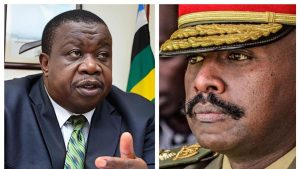
Meanwhile, President Museveni’s government has not yet issued an official comment directly addressing the specific raid or the allegations of assault, though military spokesman Colonel Chris Magezi has declined to respond to requests for detailed clarifications.
The incident has also sparked debate across social media platforms, with many Ugandans expressing outrage and sorrow over the violence used against a woman who was reportedly alone in the house at the time, with the couple’s children away.
Some observers emphasize that the psychological impact of such an attack extends far beyond one family, suggesting it could create a climate of fear among opposition supporters and discourage others from active political engagement.
Calls for calm and peaceful resolution have emerged from various quarters, stressing the importance of maintaining national stability while ensuring accountability and fairness in political competition.
Others lament that the normalization of military interventions in civilian life undermines the very foundations of democratic governance Uganda has worked toward over decades.
As Barbie continues her recovery in hospital, many well-wishers — from ordinary citizens to civic groups — have sent messages hoping for her quick healing and a return to normal life. The emotional and political toll of the incident remains palpable among her supporters.
In the meantime, the Kyagulanyi family’s ordeal has become a focal point in ongoing national discussions about security, democracy, and the limits of state power. Whether legal, diplomatic, or civic responses will follow remains a developing story watched closely both within Uganda and beyond its borders.