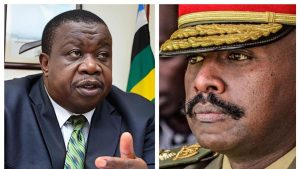
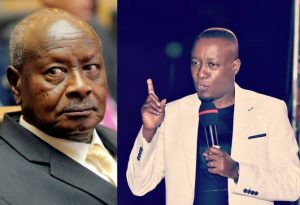
Uganda’s political atmosphere has taken a dramatic and worrying turn after strong statements reportedly made by General Muhoozi about opposition leader Bobi Wine.
The words “dead or alive” are not small in any country, and when they are directed at a political figure, they create fear, tension, and serious national debate. Many citizens were shocked, while others were confused, wondering what such language means for the future of politics and peace in the country.
According to the information, security forces had paused their search for a short time, believing that Bobi Wine might surrender peacefully. That pause was said to be on the instructions of the Commander-in-Chief. However, after he did not surrender, the search was reportedly ordered to resume with stronger determination. This shift from a pause to a forceful command has raised many questions among the public.
Bobi Wine, whose real name is Robert Kyagulanyi, is not just an ordinary politician. He is a well-known opposition leader with a large following, especially among young people. Over the years, he has built an image as a voice for change, justice, and better governance. Because of this, any serious threat or pursuit involving him quickly becomes national news.
The words used in security or military communication matter a lot. When leaders use tough language, it can be seen as a sign of seriousness, but it can also increase fear among citizens. Some people interpret such words as a strategy to show strength and authority, while others see them as dangerous and unnecessary in a political situation.
Uganda has a long political history, and tensions between the government and opposition have happened before. However, moments like this stand out because they feel more intense. Political competition is expected in a democracy, but when it begins to sound like a security battle, many people start to worry about stability.
Supporters of Bobi Wine are likely to feel targeted and anxious. To them, their leader represents their hopes and voices. Hearing that he is being pursued in such a serious way can make them feel that political space is shrinking. This can lead to anger, fear, or even protests if not handled carefully.

On the other hand, supporters of the government may see the situation differently. They might believe that security agencies are simply doing their job to maintain order and enforce the law. From their point of view, strong action can be seen as necessary to keep the country stable and prevent unrest.
The biggest concern for many neutral citizens is peace. Ordinary people want to go to work, run businesses, and take care of their families without political tension affecting daily life. Whenever political issues turn into security operations, it creates uncertainty that touches everyone, not just politicians.
Language like “dead or alive” also attracts international attention. Outside observers often watch how governments handle opposition leaders. Strong statements can lead to criticism from human rights groups and foreign governments who worry about democracy and safety.
At the same time, social media plays a big role in spreading such messages quickly. Within minutes, thousands of people can see and share the news, each adding their own opinion. This can make a tense situation even more heated, as rumors and emotions spread fast.
For young people, who form a large part of the population, such developments are especially powerful. Many youths already feel strongly about politics, jobs, and their future. When politics becomes dramatic, it can either inspire activism or create fear about what lies ahead.
Families of political leaders also become part of the story. Whenever a leader is being searched for or pursued, their relatives and close associates may feel stress and insecurity. Politics then stops being only public and becomes deeply personal.
There is also the legal side of the matter. In any country, actions taken against political figures are expected to follow the law. People often ask whether proper procedures are being followed and whether rights are being respected. These questions are important for public trust.

Public trust is a fragile thing. When citizens trust their leaders and institutions, the country feels more stable. But when fear and doubt grow, trust can weaken. That is why communication from leaders during tense times is very important.
History shows that political conflicts can either calm down through dialogue or grow worse through confrontation. The direction often depends on how leaders, security forces, and political actors choose to act and speak in critical moments.
Religious leaders, community elders, and civil society groups often call for calm during such times. Their voices can help reduce tension by reminding people of the importance of peace, unity, and patience.
For Bobi Wine himself, the situation puts him at the center of a serious national issue. His decisions, words, and actions during this period will also influence how events unfold. Political leaders under pressure often become symbols beyond their personal role.
For General Muhoozi and the security side, the focus is likely on authority and control. They may see their actions as part of maintaining order. However, the way this is done and explained to the public can shape how history judges the moment.
Uganda stands at a sensitive point whenever politics and security mix strongly. Such times test the country’s institutions, leadership, and the maturity of its democracy. The choices made now can have long-term effects.
In the end, what most citizens hope for is a peaceful path forward. Political disagreements are normal, but loss of life and fear should never become normal. The nation watches closely, hoping that wisdom, law, and calm will guide the next steps rather than anger and confrontation.