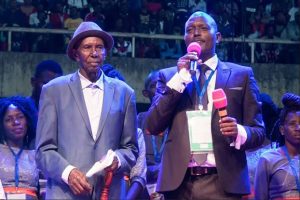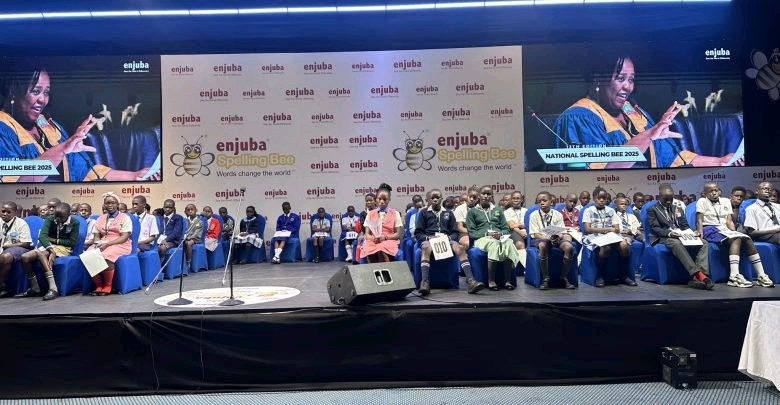
Uganda’s efforts to combat learning poverty have received a powerful boost with the hosting of the 2025 National Spelling Bee, an event that brings together top young spellers from districts across the country. This annual competition, now firmly embedded in Uganda’s national literacy calendar, has become a beacon for fostering curiosity, enhancing reading habits, and developing critical 21st-century skills like communication, collaboration, and critical thinking.
The Spelling Bee competition features several rounds that challenge participants on their spelling recall, vocabulary knowledge, word meanings, and comprehension—skills that are essential for creating confident, literate learners. According to Enjuba, the organization behind the event, the Spelling Bee is more than just a contest; it is a transformative literacy tool that strengthens vocabulary, improves communication skills, and sparks a lasting love for reading.
William Mugisa, Enjuba’s Chief Literacy Officer, emphasized that the initiative was created to encourage children to engage with books, a critical step in addressing the literacy challenges Uganda faces. “We have a serious literacy problem in Uganda, with 83% of children under 10 unable to read or write at a basic level. The Spelling Bee is a catalytic program that encourages children to pick up books, grow their vocabulary, and enhance their literacy,” Mugisa said. He believes that literacy is fundamental to unlocking the potential of Uganda’s young population, enabling children to dream, learn, and thrive.
Enjuba’s mission is rooted in strengthening children’s literacy through reading, writing, and practical skills development. The organization publishes children’s books, supports school libraries, and helps establish early childhood education centers in public and community schools. With 13 consecutive years of running the Spelling Bee, Enjuba has steadily increased its impact on literacy across the country.
Data highlights a concerning trend in Uganda’s education system: only 6 out of 10 children who start Primary One complete Primary Seven, often due to their inability to read and comprehend text. Mugisa stresses that, given Uganda’s predominantly young population, improving literacy is a shared responsibility for all stakeholders in education, from parents to policymakers.
Herman Sekayiza, the Spelling Bee patron at Namagunga Primary Boarding School, shared that preparing students for the competition significantly boosts their confidence and expands their research skills. He explained that the event is not only about spelling; it’s about helping students develop broader cognitive abilities like critical thinking, public speaking, and self-expression. “We want to challenge students to think outside the box, interact with different resources, and improve their vocabulary. The Spelling Bee helps them develop courage and gives them a platform to shine,” Sekayiza said.
Grace Akoli, head teacher at Acamkado Primary School in Kole District, also praised the initiative, noting that spelling clubs in schools help build students’ confidence, improve pronunciation, and strengthen their debating skills. This, in turn, results in more articulate and expressive students, better equipped to communicate effectively in both academic and real-life situations.
The winners of the national competition go on to represent Uganda at the continental championship, where they compete against their peers from across Africa. This opportunity not only provides a platform for students to showcase their talents but also fosters a sense of pride and accomplishment as they represent their country on a broader stage.
As the National Spelling Bee continues to grow in stature and influence, it remains a vital part of Uganda’s strategy to tackle learning poverty and improve literacy outcomes. By encouraging children to engage with language, develop key skills, and build self-confidence, the competition is playing a pivotal role in shaping the future of education in Uganda.