The Uganda Communications Commission (UCC) has urged citizens and media practitioners to exercise caution and responsibility across all communication platforms, emphasizing that misuse could trigger regulatory action. The warning comes as Uganda prepares for the 2026 general elections.
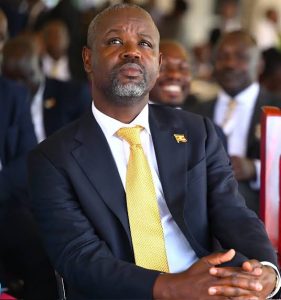
Speaking at a joint press briefing with the Uganda Human Rights Commission, the Electoral Commission, the Uganda Police, and other election stakeholders, UCC’s Head of Litigation, Prosecution, and Legal Advisory, Abdu Salaam Waiswa, highlighted the influence social media now holds. “Platforms like X, YouTube, and Facebook give ordinary citizens power comparable to traditional media,” he said.
Waiswa stressed that all users have a duty to ensure the information they share is factual, fair, and promotes peace. “It does not matter whether you are on TV, radio, or online. Ask yourself: is it fair? Is it factual? Will it contribute positively to Uganda?” he explained.
He cited the 2021 Facebook suspension as an example of the consequences of misusing online platforms. Ahead of the elections, the government blocked Facebook and other social media platforms after the company removed accounts linked to the government for inauthentic behavior, while some content was being used to incite violence and division.
Even with attempts to bypass restrictions through virtual private networks (VPNs), Waiswa warned that users are still accountable. “Technology enables UCC and other institutions to detect VPN use. Suspension does not provide immunity from liability,” he noted.
Uganda’s media landscape is highly diverse, with 342 radio stations, 88 television stations, and millions of social media users. According to UCC estimates, TikTok has nearly 10 million users, over three million use X, and approximately 1.5 million accessed Facebook via VPNs after the suspension.
Waiswa explained that regulatory oversight aims to protect both users and platforms while encouraging professionalism. “Registering your YouTube channel or online media outlet helps build credibility, attract business, and ensure responsible operations,” he said.
As the country approaches the January 15, 2026 elections, authorities emphasize that both traditional and online media will shape public opinion. Misuse of platforms, Waiswa warned, could provoke government action. “We are encouraging all users to engage responsibly and help maintain national cohesion,” he said.