The political tensions in Uganda have taken an international turn as reports emerge that the ruling National Resistance Movement (NRM) government may face suspension from the Commonwealth of Nations.
This development follows renewed efforts by opposition figures and their international legal advisors to challenge the government’s human rights record.
At the center of this initiative is Robert Amsterdam, a globally recognized international lawyer and founder of Amsterdam & Partners LLP.
He has revealed plans to meet with world and Commonwealth leaders in the coming days, aiming to push for Uganda’s suspension from the prestigious body of member states.
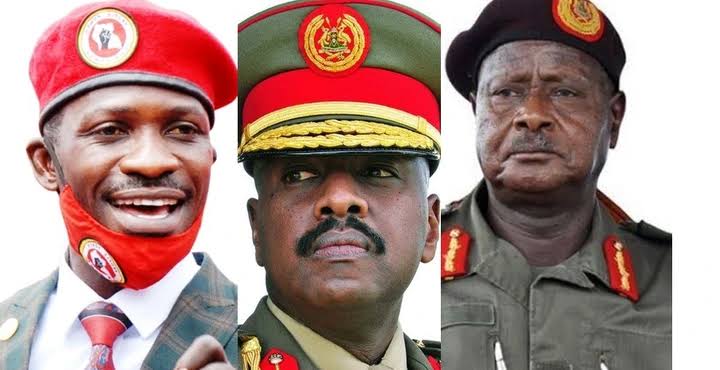
Bobi Wine, formally known as Robert Kyagulanyi Ssentamu, the president of the National Unity Platform (NUP), is reported to be traveling to the United Kingdom and the United States to join Amsterdam and other international figures in lobbying world leaders. The mission, according to insiders, is to draw attention to Uganda’s alleged human rights abuses and governance issues.
Sources close to the opposition indicate that the meetings will focus on what they describe as President Yoweri Museveni’s authoritarian practices, including alleged election rigging, political repression, and the harassment of opposition figures. Bobi Wine’s legal and political team intends to pressure the international community to take concrete action.
Robert Amsterdam brings decades of experience in high-profile cases across emerging markets, representing sovereign states, political leaders, multinational corporations, and high-net-worth individuals. His involvement adds international weight and legal credibility to the campaign against the Museveni government.

The focus on the Commonwealth is strategic. As a body that promotes democracy, rule of law, and human rights among member states, the suspension of Uganda would carry symbolic and practical significance, signaling international concern over governance issues in the country.
Bobi Wine and his team argue that the Ugandan government has systematically violated human rights, including the suppression of peaceful protests, arbitrary arrests, and attacks on opposition members. They believe these violations justify urgent international intervention.
Reports indicate that the strategy involves both legal advocacy and diplomatic engagement. Bobi Wine will meet with key political figures, lawmakers, and human rights organizations to make the case that Uganda’s continued membership in the Commonwealth contradicts the organization’s core principles.
Opposition supporters say that the initiative also aims to highlight the plight of ordinary Ugandans who, according to Bobi Wine, face repression, restricted political freedoms, and widespread corruption under the current regime. The suspension of Uganda, they argue, would increase global pressure on the government to implement reforms.
Observers note that this campaign represents a significant escalation in Uganda’s political struggle, moving from domestic mobilization to active engagement with international legal and political institutions. The NUP and its advisors are employing both legal arguments and public advocacy to strengthen their position.
The legal framework for possible suspension is based on Commonwealth guidelines that member states must uphold democracy, human rights, and rule of law. Amsterdam and Bobi Wine’s team are reportedly preparing extensive documentation to show alleged violations and seek enforcement of these standards.
Critics of the government also point to Uganda’s history of electoral controversies, alleged harassment of journalists, and the use of state security apparatus against political opponents as evidence of systemic abuses. These points are expected to form a central part of the case presented to international leaders.
Bobi Wine’s international trip also aims to build alliances with diaspora communities, human rights groups, and international NGOs. By coordinating with these stakeholders, the opposition hopes to amplify its message and apply sustained pressure on the Ugandan government.
The timing of this initiative comes shortly after Bobi Wine left Uganda for safety reasons, citing intense surveillance, home raids, and threats to his family. His absence abroad now allows him to engage international partners without direct interference from Ugandan authorities.

Political analysts suggest that suspension from the Commonwealth would have significant diplomatic and reputational consequences for Uganda. It could limit the country’s participation in regional and international forums, affect aid programs, and weaken international investor confidence.
However, government officials have dismissed the allegations, maintaining that Uganda operates under a legitimate and democratically elected administration. They describe Bobi Wine’s campaign as politically motivated and aimed at undermining the NRM government.
Despite these official denials, Bobi Wine and his legal team continue to gather evidence of alleged human rights abuses, including documented cases of harassment, intimidation, and arbitrary detentions of opposition members and activists.
Supporters of the NUP say that international pressure is crucial to balance the political playing field in Uganda, arguing that domestic institutions have been compromised and cannot independently guarantee justice or accountability.
The upcoming meetings in the UK and the US are expected to include briefings for parliamentarians, diplomats, and human rights organizations. These discussions are designed to inform international leaders of Uganda’s political situation and the need for collective action through the Commonwealth.
Ultimately, Bobi Wine’s campaign seeks not only the suspension of Uganda from the Commonwealth but also increased international scrutiny and leverage to protect political freedoms, strengthen democratic institutions, and ensure that future elections in Uganda are free and fair.
Observers are watching closely as this initiative unfolds, noting that the engagement of a high-profile lawyer like Robert Amsterdam signals that Uganda’s opposition is taking an unprecedentedly strategic and international approach to challenging the Museveni government.