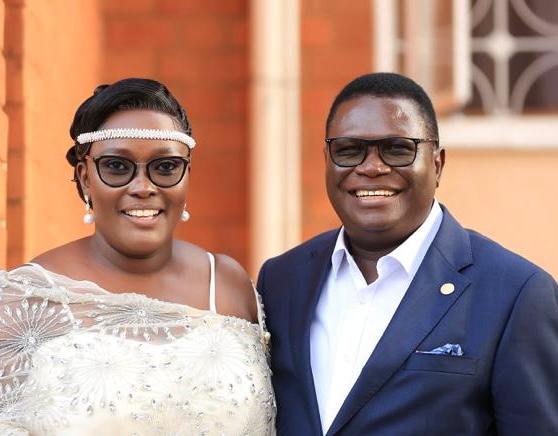
Norbert Mao, a long-time Ugandan politician and public figure, has sparked conversation after making a bold and humorous statement about his personal integrity.
Speaking in a public setting, Mao described himself as “a very honest man,” using an unusual but attention-grabbing example to emphasize his clean record in both public and private life. His words quickly spread, drawing mixed reactions from supporters and critics alike.
Mao said that if someone went to Kaunda Grounds and asked women to raise their hands if they had ever seen his “munero,” none would do so.
The phrase, though expressed in local slang and meant humorously, was his way of saying he has lived a morally upright life. He added that during his time living in Gulu, he never wronged anyone.
The statement reflects Mao’s communication style, which often blends seriousness with humor. Known for being outspoken and confident, he tends to use relatable language that ordinary people easily understand. This approach helps him connect with grassroots audiences who appreciate leaders that speak plainly.
At its heart, Mao’s message was about personal discipline and moral conduct. In politics, where leaders are often accused of corruption or scandals, claiming a clean personal life can be a powerful statement. Mao appeared to be saying that integrity begins with how someone behaves in everyday life.
Supporters of Mao have praised the remark, saying it shows confidence and transparency. They argue that leaders should be able to speak openly about their character and stand by their record without fear. To them, Mao was simply defending his name in a colorful way.

Others, however, feel the choice of words was too informal for a senior political figure. They believe public leaders should use more reserved language when discussing matters of morality. Still, even critics admit that the statement succeeded in drawing attention.
Kaunda Grounds, which Mao mentioned, is a well-known public space often associated with community gatherings and events. By using it as an example, he painted a picture that people could easily imagine. It made his message more vivid and memorable.
Mao’s reference to Gulu is also important. The town has been central to his political journey and personal life. By saying he lived there and did nothing wrong to anyone, he was pointing to a long history of community presence without scandal.
In many African societies, a leader’s personal conduct is closely linked to public trust. Issues of family life, respect for others, and moral behavior often shape how voters see a politician. Mao’s statement was clearly aimed at strengthening that image.
The comment also shows how humor is used in Ugandan politics. Leaders sometimes use jokes or exaggeration to make serious points.
While the language may sound playful, the underlying message is often about credibility and reputation.
Political observers say such statements are part of image building. In a time when public confidence in leaders can be low, presenting oneself as honest and morally upright is a strategic move. Mao may have been reminding people of his long career without major personal scandals.
At the same time, public figures must balance humor with responsibility. Words spoken in public can travel far beyond their original audience. What sounds light in one setting may be seen as controversial in another.
Still, many citizens say they prefer leaders who sound human rather than overly scripted. Mao’s relaxed style may appeal to people tired of stiff political speeches. His words felt more like everyday conversation than formal address.

The focus on personal honesty also touches on wider national concerns. Ugandans often discuss corruption, misuse of power, and lack of accountability. When a leader talks strongly about personal integrity, it naturally connects to those broader issues.
Mao’s long political career gives weight to his claim. Over the years, he has served in different roles and remained active in national debates. His supporters say his record shows consistency and courage in standing by his beliefs.
Critics, however, note that integrity in politics is judged not only by personal morality but also by public decisions and actions. They argue that leadership is about more than private life; it also involves policies and governance.
Even so, Mao’s message seems aimed at the foundation of trust. Before people judge a leader’s plans, they often want to know what kind of person he or she is. By speaking about his character, Mao addressed that basic concern.
The strong reaction to the statement shows how closely people watch their leaders. A single sentence can start national discussion. It proves that personality and communication style matter as much as political programs.
Whether people agree with his way of speaking or not, Mao succeeded in making his point clear. He wanted the public to know he sees himself as a man of honor who has respected others throughout his life.
In the end, the discussion goes beyond one remark. It raises questions about leadership, morality, and how politicians present themselves to the public. Mao’s words, simple and bold, have added another chapter to Uganda’s lively political conversation.