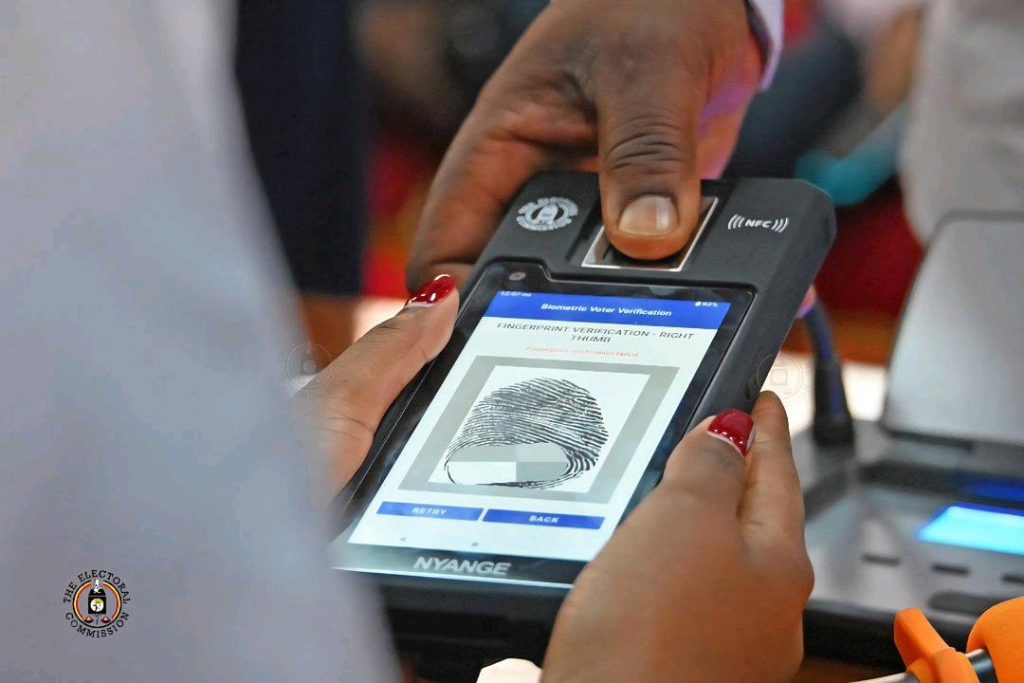
Wakiso District is gearing up for today’s elections for district chairpersons, city mayors, and local councilors amid renewed efforts to address technical failures that marred the January 15 general polls. Central to these efforts are the Biometric Voter Verification Kits (BVVK), designed to authenticate voter identities through fingerprints and facial recognition, preventing impersonation and double voting.
During the previous elections, numerous BVVK machines malfunctioned nationwide, forcing officials to revert to manual verification. Several polling stations in Wakiso experienced similar setbacks, while some locations never received their machines due to late district-level distribution. These disruptions caused long delays and frustrated voters, highlighting persistent challenges in deploying technology at scale.
In response, hundreds of BVVK operators in Wakiso underwent an intensive retraining session on Wednesday evening at Nansana Division headquarters. The workshop emphasized proper machine handling, troubleshooting, and other essential electoral procedures, ensuring operators are better prepared for the current vote. An anonymous operator explained that the session was a “final briefing” to ensure smooth operations and highlighted that supervisors confirmed the BVVK units would indeed be deployed today.
The Electoral Commission procured over 100,000 upgraded BVVK units for the 2025/2026 electoral cycle to enhance transparency and efficiency. However, the technical issues in January exposed ongoing concerns about reliability and logistical management, prompting this retraining effort. The commission is determined to restore public confidence in the technology ahead of today’s critical vote.
Beyond machine training, polling personnel, including presiding officers and their assistants, have been reshuffled. Officials previously assigned to specific polling stations have been redeployed to reduce risks of bribery or undue influence, as familiarity between candidates and local officials could compromise the integrity of the process. One official noted that these changes aim to safeguard the elections and maintain impartiality.
By late Wednesday night, electoral officials at the Nansana headquarters were still receiving detailed instructions on the conduct of the day’s elections, ensuring that every procedural step is clarified before polling begins. The level of preparation underscores the commission’s commitment to mitigating issues experienced during the earlier general elections.
The stakes in Wakiso are particularly high. With a large voter base and a significant opposition presence, the race for district chairperson is closely watched, and the successful deployment of BVVK technology could be decisive in ensuring a credible, efficient voting process.
As the district goes to the polls today, the combination of retrained operators, redistributed personnel, and upgraded biometric kits reflects a determined effort to overcome past shortcomings. Observers and voters alike are watching closely, hoping that technology and preparation will finally deliver a smooth, transparent electoral experience.