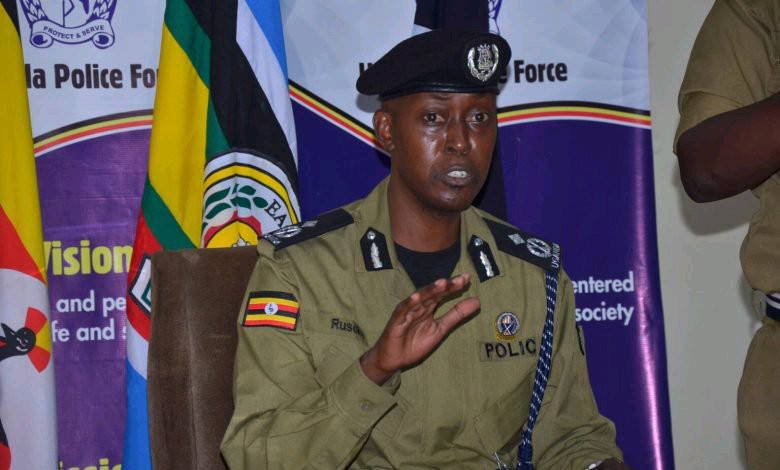
As Uganda gears up for the 2026 general elections, political tensions are running high, marked by a series of violent confrontations and clashes between security forces and opposition supporters. In response, the Uganda Police Force has taken a major step to strengthen its security presence across the country. On Friday afternoon, a significant fleet of 162 vehicles and 1,040 motorcycles were handed over to regional commanders and sub-county policing units, in one of the largest fleet rollouts in recent memory. The event, held at the Police Headquarters, was presided over by AIGP James Apora, the Director of Logistics and Engineering, signaling the Force’s determination to boost its operational readiness as the election season intensifies.
According to AIGP Apora, this new fleet is designed to improve security at the grassroots level, especially in the country’s sub-counties, which will each receive two motorcycles. This move is part of a broader strategy to address security gaps, enhance the mobility of police officers, and ensure faster responses to crimes, particularly during the volatile election period. “This deployment is meant to enhance the capacity of our officers, improve service delivery, and ensure quicker responses to incidents as we go through the election season,” Apora said. The fleet handover is not just about vehicles; it is also about reinforcing the police’s role in maintaining order and stability as political temperatures rise.
However, this increased police presence comes at a time of heightened scrutiny and growing tension. Just the day before, the Uganda Police Force condemned what it described as “violent and unruly conduct” during a rally held by National Unity Platform (NUP) presidential candidate, Robert Kyagulanyi, also known as Bobi Wine, in Iganga District. Police reported that their officers were attacked by stone-throwing groups, allegedly incited by the opposition leader. As a result, several officers were injured, and multiple police vehicles were damaged in the fray. In response to the escalating violence, police say they were forced to disperse the crowd, an action that led to the death of a civilian, Misaki (Meshach) Okello, and the arrest of several suspects.
NUP’s leader, Bobi Wine, offered a starkly different version of the events. In his statement, Kyagulanyi accused the police and military of launching an unprovoked attack on his peaceful supporters as they were leaving what he described as a “very successful rally.” He alleged that live bullets were fired at his people, leading to the death of Okello, who he claimed was shot in the head. According to Kyagulanyi, two more bodies were later smuggled away from the scene, and many others sustained injuries. This tragic incident has ignited an ongoing debate over what exactly transpired in Iganga, with both sides accusing each other of brutality. As political narratives clash, public anxiety has only deepened, raising concerns about the safety of opposition supporters and the neutrality of security forces as the election draws nearer.
The Uganda Police Force insists that the new fleet is a necessary measure to ensure swift responses to criminal activity and maintain law and order throughout the country. But critics are not convinced. While the vehicles and motorcycles may indeed improve mobility and police presence, some worry that this increased capacity could lead to even more aggressive crackdowns on opposition supporters, especially in light of recent violent encounters. The growing number of police vehicles on the roads, along with a larger and more visible security presence, may be seen by some as a sign of escalating government control, rather than a positive step toward peace and security.
As investigations into the Iganga incident continue, it remains to be seen how these new assets will impact the political landscape. Will they stabilize the security situation and ensure the safety of all citizens during the election season? Or will they fuel further tension, particularly between the police and opposition groups, leading to more confrontations? With just months to go before the election, all eyes are now on Uganda’s security agencies and their ability to balance effective law enforcement with the restraint necessary to keep the country from descending further into unrest.
In the meantime, the deployment of the new fleet serves as a reminder of the precarious political environment in Uganda, where every action taken by security forces is scrutinized and often interpreted through the lens of political rivalry. Whether these new vehicles and motorcycles will calm the storm or fuel the flames of division remains to be seen.