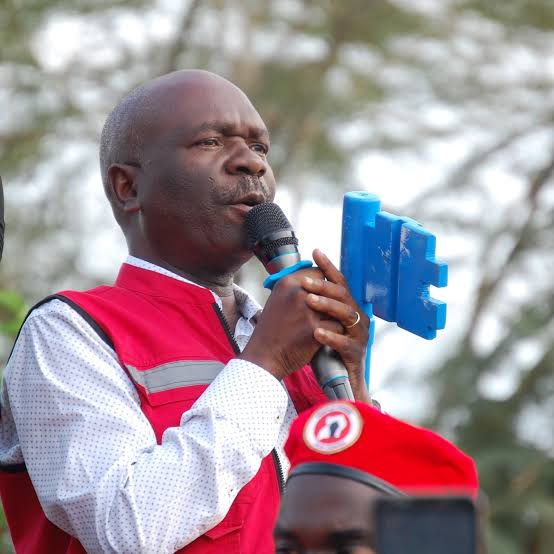
Shock and anger have spread across parts of Mawokota County South following reports that the outgoing Member of Parliament, Yusuf Nsibambi, has withdrawn scholarship and bursary support from students after losing in the recent elections.
The development has left many families confused, distressed, and worried about the future of their children’s education.
Yusuf Nsibambi, who has been serving as the Forum for Democratic Change (FDC) Parliamentary Whip, was defeated in both the presidential and parliamentary elections.
Shortly after the loss, allegations emerged that he decided to cut off education support to dozens of students in his constituency.
According to the reports, at least 60 students were affected by the decision. These students had been receiving bursaries and scholarships that helped pay for school fees, books, and other education-related needs. For many families, this support was the only way their children could stay in school.
Nsibambi is said to have justified his actions by stating that the bursaries were funded from his personal resources.
He reportedly argued that since voters did not support him at the ballot, he had no obligation to continue funding programs meant to benefit them.

He is further quoted as saying that voters failed to appreciate what he had done for the community during his time in office.
According to him, people should learn to value leaders who invest in their welfare instead of “turning against them” during elections.
This explanation has not gone down well with many residents. Parents, local leaders, and education advocates have strongly criticized the move, saying it unfairly targets children who have no control over political decisions made by adults.
Many parents of the affected students have expressed deep fear and frustration. Some say their children may be forced to drop out of school because they cannot afford tuition without the bursaries. Others worry that years of hard work and academic progress may be lost.
Education activists have also condemned the decision, arguing that access to education is a basic right.
They say using education support as a political reward or punishment is unethical and harmful to society.
The controversy has grown even bigger following reports that Nsibambi allegedly ordered the disconnection of electricity in a village within his constituency. He reportedly claimed that the power connection had also been financed using his personal money.
Residents say the electricity had improved their lives by supporting small businesses, improving security, and helping students study at night. Its sudden disconnection has caused anger and confusion, especially among families who relied on it for daily activities.
Even more concerning are claims that Nsibambi warned residents to stop criticizing him. According to reports, he allegedly threatened to destroy a power transformer if attacks against him continued, a statement that has shocked many observers.
Critics argue that such actions amount to abuse of influence and emotional retaliation. They say leadership should be about service, not punishment, especially after electoral defeat.
Political analysts have warned that this situation sets a dangerous precedent. If leaders begin to withdraw community support projects based on election results, it could undermine democracy and intimidate voters.
Some residents have also questioned whether personal-funded projects should be handled differently once they begin serving the wider community. They argue that once such projects affect public welfare, they should not be controlled by personal political feelings.

Civil society organizations have called on authorities to urgently intervene. They say the government must protect students and residents from actions that threaten education, access to power, and basic services.
Parents of affected students have appealed to well-wishers, local leaders, and education institutions to help their children continue schooling. Many families say they feel abandoned and punished for exercising their democratic right to vote.
The silence from education authorities and law enforcement has added to public concern. As of now, no official statement has been released regarding the withdrawal of the bursaries or the alleged threats linked to the electricity disconnection.
Meanwhile, the story has attracted national attention, with many Ugandans debating the responsibilities of elected leaders before and after elections. The issue has sparked discussions about accountability, leadership maturity, and respect for voters’ choices.
Religious leaders and elders have also urged calm, calling on Nsibambi to reconsider his decision. They argue that children should never suffer because of political disagreements or election outcomes.
As pressure continues to mount, residents of Mawokota County South are hoping for a peaceful resolution. They want education restored, electricity reconnected, and dialogue encouraged instead of confrontation.
The unfolding situation remains a powerful reminder of the impact political decisions can have on ordinary lives. As debates continue, many Ugandans are watching closely, hoping this controversy will lead to deeper reflection on leadership, responsibility, and the true meaning of public service.