The National Resistance Movement (NRM) faces a growing challenge in Nakaseke and Nakasongola districts as land disputes continue to dominate the concerns of local communities ahead of President Yoweri Museveni’s campaign rallies. Once considered bastions of NRM loyalty, both districts have shown signs of waning support, raising questions about the party’s grip in its historical strongholds.
In recent elections, the NRM’s dominance has noticeably eroded. During the 2021 general elections, President Museveni garnered just over half of the votes in Nakaseke District, securing 38,009 ballots compared to 32,063 votes for his main opponent, Robert Kyagulanyi. Parliamentary seats in Nakaseke South and Nakaseke Central slipped into opposition hands, signaling a shift in voter sentiment. In Nakasongola, Museveni’s share fell to 65 per cent, down sharply from 84.46 per cent in 2016, while Kyagulanyi captured 33 per cent of votes.
NRM leaders, however, maintain that significant progress has been made in addressing past grievances and improving the livelihoods of residents. Rose Namayanja Nsereko, the party’s Deputy Secretary General, highlighted developments in education and healthcare, noting that the number of government primary schools in the districts now stands at 258, while secondary schools total 23, a major improvement from the pre-1986 era. Health services have also expanded, with 48 operational facilities compared to fewer than five before the NRM assumed power.
Under the Parish Development Model, the government has invested 38 billion Shillings into Nakaseke and Nakasongola to boost household income and economic activity. Road infrastructure projects, including upgrades to the Matugga-Semuto and Kiwoko-Butalangu roads, are also underway, aimed at easing the transport of agricultural produce and improving access to services for residents.
Despite these gains, land-related tensions remain the most pressing concern for local communities. Rogers Kulaba Ssemanda, NRM’s candidate for Nakasongola District Chair, pointed out that many residents occupy land owned by absentee landlords and face repeated evictions, leaving families insecure and landless. Leaders are urging President Museveni to establish a government-backed land fund to purchase land from absentee owners and allocate it to current occupants.
Concerns over land have been compounded by development projects, including plans for a nuclear power plant in Kalungi, Kalongo, and Kazwama Town Council areas, which threaten to displace hundreds of residents. Kulaba revealed that the local population is appealing to the President to reconsider or halt the project to prevent widespread evictions and social unrest.
In Nakaseke North, Prof. Wilber Ahebwa, the NRM parliamentary candidate, highlighted ongoing struggles for residents living within forest reserves, where the National Forestry Authority threatens eviction. Constituents are awaiting government intervention, including potential degazettement of portions of the forest, to accommodate the growing population and prevent displacement.
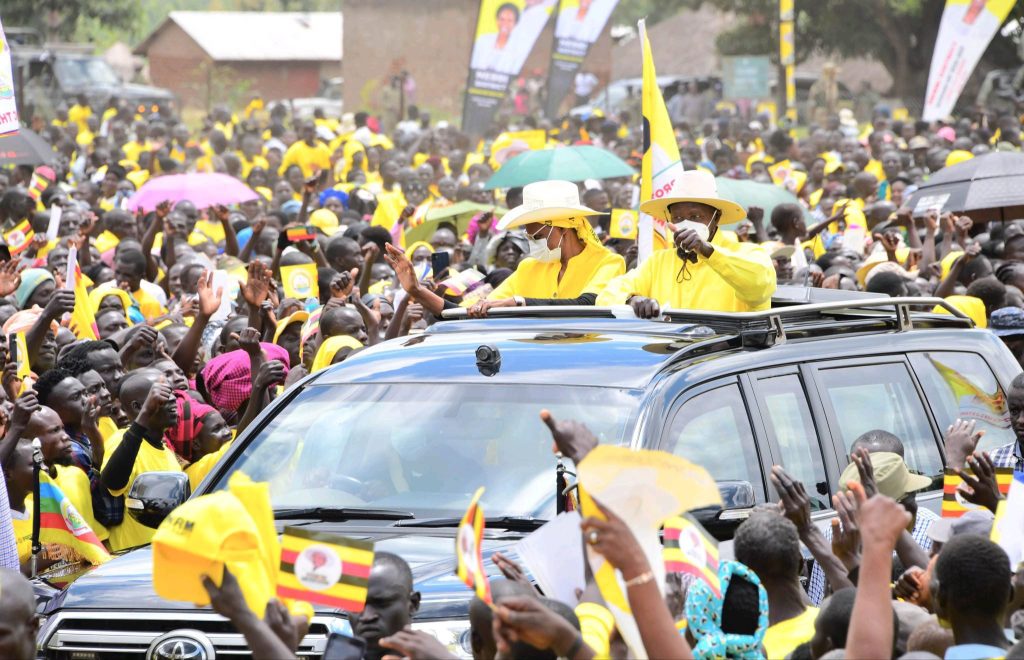
As President Museveni heads to Butalangu Town Council and Wabinyonyi Sub-county for his rallies on December 30, the spotlight remains firmly on land issues. Observers and local leaders agree that the President’s approach to resolving land disputes could determine the party’s ability to reclaim and solidify support in these historically loyal districts ahead of the 2026 general elections.