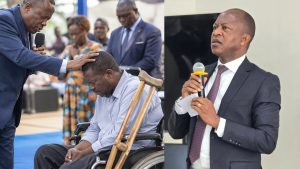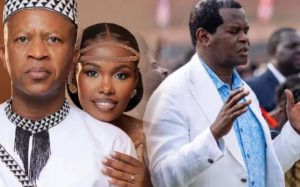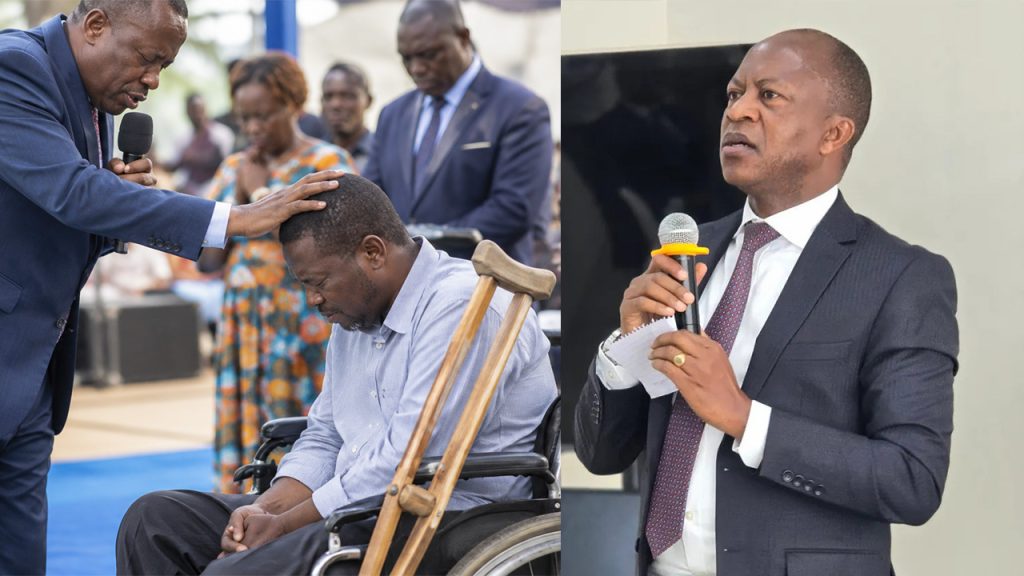
Frank Gashumba has responded to pastors criticising his remarks about alleged fake miracles, questioning why some churches appear to place so much emphasis on supernatural interventions instead of worshipping God.
Speaking during an appearance on Radio 4 UG hosted by Adam Kungu, Gashumba argued that people should attend church to praise God, pray and thank Him for what He has already done in their lives rather than going mainly to seek miracles.
He said some Christians risk being misled when religious leaders create the impression that miracles must happen for people to continue attending church. According to Gashumba, this approach places unnecessary pressure on believers and makes church attendance appear dependent on supernatural experiences.
“Let me ask, if Jesus says he’s not going to perform any more miracles, does that mean you won’t go to church anymore?” Gashumba asked, challenging pastors to reconsider how they teach their followers about faith and miracles.

He also pointed to the practices of the Anglican and Catholic churches, saying many of their followers attend services to worship, pray and give thanks rather than expecting miracles at every gathering. He argued that praising God should remain important regardless of whether a person experiences a dramatic change in their circumstances.
To support his argument, Gashumba shared the story of a friend who had reportedly taken antiretroviral drugs (ARVs) for a long time and later received results showing that her HIV viral load was undetectable. He said she visited different hospitals to confirm the results.
Gashumba claimed that his friend was subsequently taken off her medication and argued that some churches might have attributed such an outcome to the intervention of a particular apostle. However, an undetectable HIV viral load does not mean HIV has been cured, and people should not stop ARVs unless their treating medical team specifically directs them to do so.
He further challenged pastors who claim to possess extraordinary supernatural powers, asking whether any of them could personally help their wives deliver babies without medical assistance. His remarks have added to the debate about miracles, religious leadership and the role of faith in people’s lives.