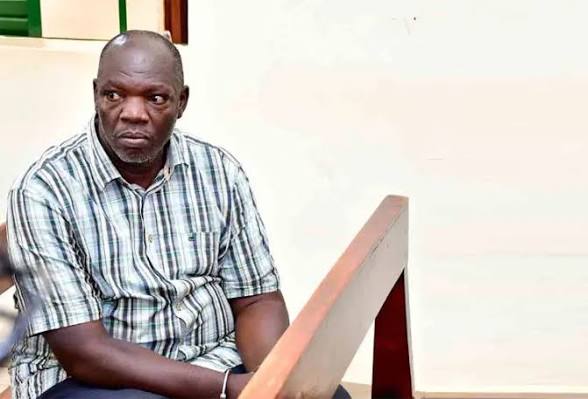
The High Court in Kampala has once again drawn public attention after denying bail to former senior police officer Nickson Agasiirwe. The decision has sparked discussions across the country, especially due to the seriousness of the charges he is facing.
Agasiirwe is accused of being involved in the assassination of Joan Kagezi, a respected senior state prosecutor whose death shocked the nation. The case remains one of the most talked-about criminal investigations in Uganda.
During the bail hearing, the defense team attempted to convince the court that their client deserved temporary release. However, the judges ruled that the conditions presented did not meet the required legal standards.
The court specifically stated that the defense had failed to demonstrate “exceptional circumstances,” which are necessary for granting bail in serious criminal cases. This legal requirement is often strictly applied in cases involving grave offenses.
As a result, Agasiirwe will remain in custody as the case continues to be handled by the court. The ruling was seen as a strong message about how seriously the judiciary is treating the matter.
The case itself dates back to a tragic incident that occurred on March 30, 2015. On that day, Joan Kagezi lost her life in a shocking and violent attack in Kampala.
Kagezi was attacked in Kiwatule, a suburb of Kampala, while she was returning home with her children. The incident happened in broad daylight, making it even more alarming to the public.

Reports indicate that she had stopped briefly at a roadside stall before the attack occurred. It was during this moment that a gunman riding on a motorcycle approached her.
The attacker then shot her at close range, targeting her neck. The sudden and violent nature of the attack left witnesses in shock and disbelief.
Her children, who were present at the scene, were left traumatized by the incident. The tragedy not only claimed the life of a dedicated prosecutor but also deeply affected her family.
Joan Kagezi was known for handling high-profile and sensitive cases, including terrorism-related prosecutions. Her work had made her a key figure in Uganda’s justice system.
Following her death, there was widespread outrage and calls for justice. Many Ugandans demanded that those responsible be identified and held accountable.
Over the years, investigations into her murder have continued, with several developments and arrests. The inclusion of a former senior police officer among the accused has added a new dimension to the case.
The prosecution believes that Agasiirwe played a significant role in planning or facilitating the assassination. However, the case is still ongoing, and the court will determine his guilt or innocence.

Legal experts note that denying bail in such cases is not unusual. Courts often consider factors such as the seriousness of the offense, possible interference with witnesses, and public interest.
The ruling has been welcomed by some members of the public who believe that justice must be handled carefully. They argue that releasing suspects in serious cases could undermine investigations.
Others, however, believe that every accused person deserves a fair chance, including the possibility of bail. This reflects the ongoing debate about balancing justice and individual rights.
The case continues to draw attention from both legal professionals and ordinary citizens. Many are closely following each development as it unfolds in court.
For the family of Joan Kagezi, the pain of loss remains strong even years later. They continue to hope that justice will eventually be served.
As the trial proceeds, the nation watches with anticipation. The outcome of this case could have lasting implications for Uganda’s justice system.
In the end, the High Court’s decision highlights the seriousness of the charges and the importance of due process. It serves as a reminder that justice, though sometimes slow, must be thorough and fair.