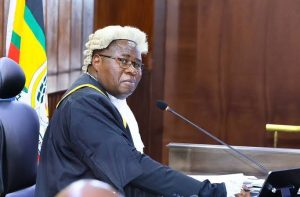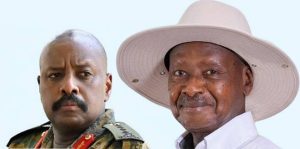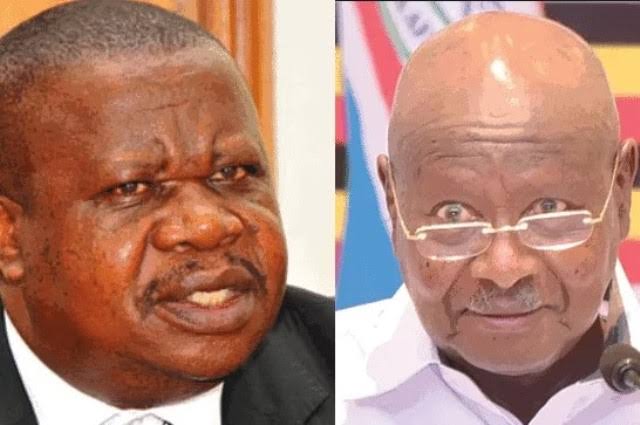
Uganda’s Minister of Internal Affairs, Major General Kahinda Otafiire, has openly demanded justice for opposition leader Dr. Kizza Besigye. Speaking to journalists, the veteran politician said Besigye’s prolonged detention without trial is unacceptable and goes against the principles of justice.
“Hate me or like me, I don’t care, but Besigye should not be jailed without a fair trial,” Otafiire stated firmly during a recent press briefing. His words have drawn wide attention, coming after months of uncertainty surrounding Besigye’s detention.
The Minister stressed that the rule of law must apply to every Ugandan, regardless of their political affiliations or public reputation. He reminded authorities that justice should not be selective. “Even if you disagree with me, it doesn’t matter — Besigye must be given a fair hearing,” he said.
Otafiire questioned why Besigye continues to be held without clear evidence being brought before the courts. He urged investigators and prosecutors to present formal charges and proof, so that Ugandans can understand the reasons for his imprisonment.
According to him, keeping an individual in custody without trial not only violates their rights but also weakens public trust in the justice system. “Love me or hate me, that is your issue, but Besigye should not be imprisoned without due process,” he added.
Besigye, a longtime opposition leader and four-time presidential candidate, has been one of the most outspoken critics of President Yoweri Museveni’s government. His detention has sparked strong reactions from human rights groups both within Uganda and abroad, who see it as a sign of political repression.
Political analysts view Otafiire’s remarks as a bold statement from within government ranks. By calling for fairness and adherence to constitutional rights, the Minister has signaled concern about the consequences of ignoring due process.
He further reminded authorities that Uganda’s Constitution guarantees every citizen the right to a fair trial. Ignoring this, he warned, could heighten political tensions and damage the country’s democratic credentials on the international stage.
Reactions from the public have been divided. Many of Besigye’s supporters welcomed Otafiire’s call, praising it as a courageous defense of justice. Others, however, questioned the timing of his statement and why a senior government official is only raising the issue now.
As the debate continues, attention is now shifting to how the authorities will respond. Otafiire’s words stand as a powerful reminder that justice must be impartial, and that no political disagreements should ever override the law.