The government of Uganda has announced a major step to strengthen the country’s health system by beginning the recruitment of more than 18,000 health workers. The move follows a significant policy shift aimed at addressing severe staffing shortages in the health sector.
According to officials, the recruitment process is being coordinated by the Health Service Commission, which is currently validating thousands of medical professionals who previously worked under programs funded by United States Agency for International Development.
The initiative comes after a major policy change that affected several U.S.-funded health projects. These projects had supported a large number of medical workers across Uganda for many years.
The transition followed a stop-work order issued by the administration of former U.S. president Donald Trump, which disrupted several health programs and left many workers without employment.
To address the situation, Uganda entered into a $2.3 billion health cooperation agreement with the United States in December 2025.
Under this agreement, Uganda committed itself to gradually absorbing health workers who had previously been funded through USAID-supported programs.
This arrangement aims to ensure that critical health services continue across the country despite the changes in international funding.

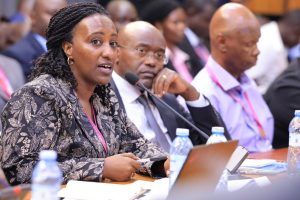
One of the health workers affected by the shift is Agatha Byombi, who had worked for 13 years under programs supported by Medical Teams International.
Byombi explained that losing employment after many years of service was a significant shock for many medical professionals who had relied on partner-funded salaries.
According to available data, more than 18,000 health workers were affected by the policy changes linked to the closure or restructuring of U.S.-supported programs.
To help ease the transition, the United States has reportedly committed to paying salaries and benefits for these workers for approximately two years.
During this period, Uganda is expected to gradually integrate the workers into its public health system.
Authorities say the current recruitment exercise is part of a broader plan to strengthen the national health workforce.
The validation process is currently taking place at 16 regional referral hospitals across the country.
The first phase of the exercise aims to re-employ approximately 3,600 health workers.
Validation activities are being conducted in several regions including Arua, Yumbe, Masaka, Kabale, Fort Portal, Moroto and Gulu.
Another round of verification is scheduled for hospitals in Lira, Soroti, Mubende, Mbale, Jinja, Hoima and Entebbe later this month.
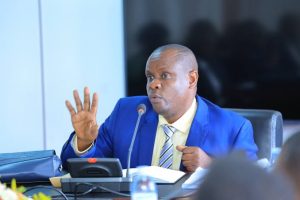
The Chairperson of the Health Service Commission, Henry Mwebesa, confirmed that the validated list of workers will be submitted to the Ministry of Health for final action.

The list will be forwarded to the Permanent Secretary at the Ministry of Health, Diana Atwine, who will oversee the next stage of implementation.
The recruitment effort is also part of a broader plan to address serious staffing shortages in Uganda’s health sector.
A government report released in October 2025 revealed that the country has a health workforce establishment of over 154,000 positions.
However, only about 48,000 of those positions are currently filled, leaving a vacancy rate of roughly 69 percent.
To help close this gap, the Parliament of Uganda approved an additional 132.6 billion Ugandan shillings earlier this year to support the recruitment process.
Health experts have welcomed the government’s decision but emphasized that sustained recruitment efforts will be necessary to fully address the country’s healthcare needs.
They say the move could help strengthen Uganda’s ability to respond to major health challenges including HIV/AIDS, tuberculosis, malaria and other critical diseases affecting communities.