President Yoweri Museveni is reportedly in the final stages of shaping his new cabinet, following a fresh round of consultations and intelligence briefings aimed at identifying suitable candidates for key government positions.
Sources close to State House indicate that the process has been thorough and calculated, reflecting the significance of the upcoming political phase.
Insiders reveal that the president has been reviewing names submitted through various channels, including security agencies and trusted advisors.
This vetting process is said to focus not only on competence but also on loyalty, regional balance, and political strategy.
The anticipated cabinet reshuffle is already generating widespread attention across Uganda’s political landscape. Many observers believe it could signal a shift in governance priorities as the country navigates both domestic and global challenges.
One of the most talked-about developments is the reported likelihood that Prime Minister Robinah Nabbanja may be dropped from her position.
While no official reason has been given, the speculation has sparked intense debate among political analysts and the public.

Nabbanja, often described as hardworking and dedicated, has played a visible role in government operations. Her possible exit raises questions about the criteria being used in the reshuffle and what direction the president intends to take moving forward.
At the same time, opposition political parties are reportedly making strategic moves of their own. Both the Democratic Party and the Forum for Democratic Change are said to be lobbying for representation in the new cabinet.
This lobbying effort suggests a potential shift toward broader political inclusion, though it remains unclear how much influence opposition groups will ultimately have in the final lineup. The development has nonetheless added another layer of intrigue to the ongoing process.
Another notable factor in the discussions is the reported influence of military leadership, particularly the Chief of Defence Forces, Muhoozi Kainerugaba. Sources suggest that individuals with strong backing from him may have increased chances of securing cabinet positions.
This dynamic highlights the intersection between military influence and political decision-making in Uganda. It also underscores the importance of alliances and networks in shaping leadership structures.
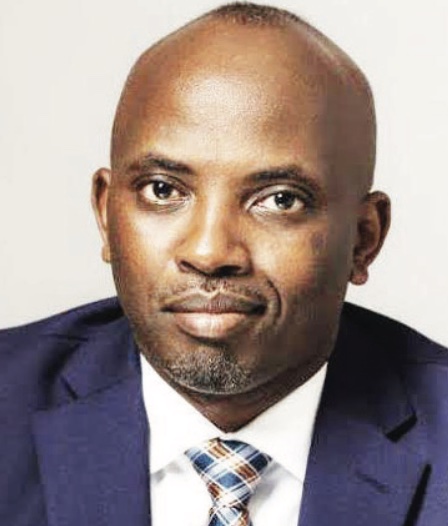
Among the names being floated for possible appointment is Professor Lawrence Muganga. His inclusion on the shortlist has drawn attention due to his reputation in the education sector.
Muganga is widely recognized for his work in advancing modern education systems, particularly those incorporating digital tools and artificial intelligence. His approach has been praised as forward-thinking and aligned with global trends.
Sources indicate that First Lady Janet Kataaha Museveni has shown a strong interest in Muganga’s work. Her reported admiration for his efforts to transform education in Africa may have contributed to his consideration for a cabinet role.
The emphasis on education reform reflects a broader recognition of its importance in national development. As technology continues to reshape learning, leaders with expertise in this area are increasingly valued.

Further reports suggest that Muganga’s return to Uganda was influenced by prominent figures, including Andrew Mwenda. His involvement is said to have been instrumental in connecting Muganga with key opportunities.
Muganga currently serves at a university owned by businessman Sudhir Ruparelia, a major figure in Uganda’s private sector. This connection highlights the interplay between business, education, and government in shaping national progress.
As speculation continues, many Ugandans are closely watching how the cabinet will be structured. The choices made are expected to have significant implications for governance, policy direction, and public confidence.
Political analysts note that cabinet reshuffles often serve as a tool for consolidating power and addressing emerging challenges. In this case, the decisions could reflect both continuity and change within the administration.
The involvement of multiple stakeholders—from political parties to military figures—suggests a complex decision-making process. Balancing these interests while maintaining effective governance will be a key challenge.
Public reaction has been mixed, with some expressing optimism about potential new faces, while others remain cautious about what the changes might bring. Transparency and communication will likely play a crucial role in shaping perceptions.
As the final list is awaited, the nation remains in a state of anticipation. The outcomes of this cabinet formation process are expected to define the next chapter of Uganda’s political journey.