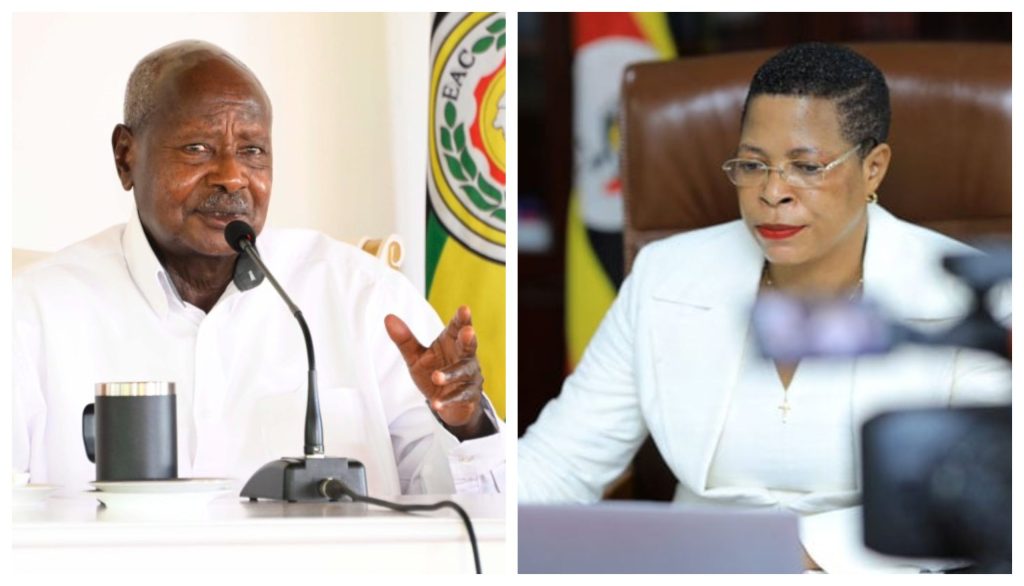
Speaker of Parliament, Anitah Among, has reportedly sparked a controversial push to extend the term of President Yoweri Museveni and Members of Parliament from the current five-year term to seven years.
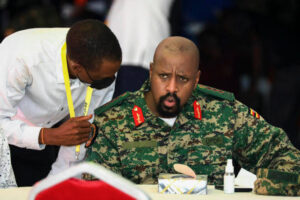
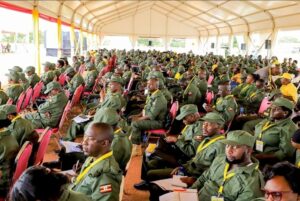
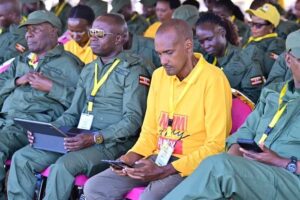
The proposal emerged during the ongoing National Leadership Institute (NALI) retreat in Kyankwanzi, which is bringing together newly elected MPs and party-leaning independents.
According to sources at the retreat, Among addressed MPs in closed-door sessions, framing the term extension as a reform that Parliament is empowered to pursue under Article 77 of the Constitution.
She reportedly emphasized that similar political structures exist in other East African Community countries, where longer political tenures are common.
Among’s presentation to MPs focused on the potential benefits of extending political terms, which she argued would allow elected leaders to plan and implement long-term development projects more effectively without the disruption of frequent election cycles.
Sources familiar with the discussions say Among appealed to MPs to support the proposal, insisting that it is “good for the country” and essential for stability and continuity in governance. She reportedly stressed that such a move would help Uganda align with regional political norms and strengthen institutional capacity.
The proposal has raised questions about the implications for democratic governance, as critics argue that extending terms could undermine accountability and reduce opportunities for citizens to exercise electoral choice.

Opposition leaders have already expressed concerns over the initiative, warning that it could set a dangerous precedent for political power consolidation.
If the proposal is formally adopted, it would affect not only the presidency but also Parliament and other elective offices across the country. MPs who vote in favor would essentially approve a significant constitutional change, altering the current electoral timetable for national leadership positions.
Among’s advocacy comes at a critical time, with Uganda still navigating political reforms and debates about governance, decentralization, and citizen participation. The issue of term lengths has long been a point of contention in Ugandan politics, and this latest push is likely to reignite national discussions.
Some political analysts suggest that Among’s framing of the proposal as a constitutional reform under Article 77 is a strategic move. Article 77 provides Parliament with the authority to regulate the tenure of certain offices, but critics argue that using it to extend terms could spark legal and political challenges.
Observers at NALI noted that Among’s appeal was targeted specifically at newly elected MPs, many of whom may not yet have developed strong positions on constitutional issues. By engaging them early, she may be seeking to build a coalition of support before the proposal is formally tabled.
While the Speaker argued that the extension is beneficial, civil society organizations have expressed concern that such a change may weaken the democratic process. They stress that regular elections are essential for accountability, transparency, and the health of the political system.
The potential extension would not only lengthen the presidential term but also extend the tenure of MPs, thereby affecting legislative continuity and the electoral calendar for all elective offices. This has prompted debates about the balance between governance stability and citizen participation.
Some proponents of the idea believe that longer terms could enhance policy consistency and enable leaders to implement longer-term national plans without the pressure of frequent election cycles. They argue that five-year terms may be too short to achieve meaningful developmental impact in certain sectors.
However, opponents warn that term extensions risk entrenching incumbency and limiting political competition. They argue that any proposal to extend political terms must be approached with caution and must involve broad public consultation to ensure legitimacy and acceptance.
Among’s comments at the retreat reportedly emphasized regional alignment, pointing to countries like Tanzania and Rwanda, where leaders serve longer terms. She suggested that Uganda could benefit from similar arrangements, claiming that extended terms are “not unusual” in East Africa.

The proposal is likely to become a hot topic within Parliament in the coming weeks. MPs will be under pressure from both their constituents and party leadership to take positions that balance political loyalty with public accountability.
While Among is positioning the extension as a national interest matter, the timing of the proposal may influence political calculations, especially among newly elected MPs seeking to establish themselves within the NRM party structure.
Some legal experts caution that any attempt to amend term lengths must follow strict constitutional procedures, including public consultation and possible referendum, to avoid legal challenges and ensure the legitimacy of the reform.
Observers also note that public opinion is likely to play a critical role in shaping the outcome. Many Ugandans are sensitive to issues of political tenure, having previously protested attempts to amend presidential term limits.
The Speaker’s move reflects broader trends in Ugandan politics, where debates over term limits, electoral reforms, and constitutional changes are recurring and highly contested. The proposal is expected to generate intense discussion both inside Parliament and among civil society.
As the Kyankwanzi retreat continues, attention will remain focused on how MPs respond to Among’s appeal. Their stance could determine the political viability of a term extension and shape Uganda’s governance landscape for years to come.
The coming weeks will be crucial in determining whether the proposal advances or meets resistance, with implications for democracy, governance, and public trust in political institutions. Citizens, political analysts, and regional observers alike will be closely monitoring the developments.