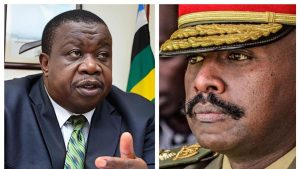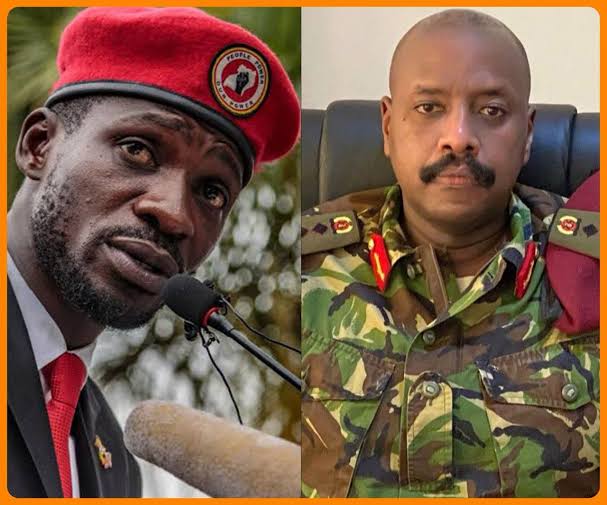
General Muhoozi Kainerugaba has urged Ugandan youth to remain loyal to President Yoweri Museveni, saying the veteran leader has a clear plan to end poverty across the country.
His message was direct and aimed especially at young people, who make up a large part of Uganda’s population.
In his advice, Muhoozi emphasized trust in Museveni’s leadership. He encouraged the youth not to be misled by other voices, suggesting that the President’s experience and long-term vision are key to improving lives.
The statement has drawn attention because Muhoozi is not only a senior military figure but also an influential voice among young Ugandans. When he speaks about national direction, many people take notice.
Poverty remains one of the biggest challenges facing Uganda. Many families struggle with unemployment, low incomes, and limited access to quality services, making messages about economic improvement very important.
Muhoozi’s remarks suggest confidence in existing government strategies. Over the years, the government has introduced programs aimed at boosting household incomes, supporting farmers, and encouraging small businesses.
Young people are often the main target of such programs. Skills development initiatives, youth funds, and entrepreneurship campaigns have been promoted as ways to create jobs and reduce dependence.

By asking youth to “follow Mzee Museveni,” Muhoozi is pointing to continuity. He appears to believe that steady leadership and long-term planning are necessary to achieve lasting economic change.
Supporters of the government say Museveni’s leadership has brought stability, improved infrastructure, and expanded education opportunities. They argue these are foundations for reducing poverty.
Critics, however, often say progress has been uneven and that more needs to be done to address corruption, unemployment, and rising living costs. Such debates are common in political discussions.
Muhoozi’s message comes at a time when many young people are thinking about their future. Issues like jobs, business opportunities, and education are at the top of their concerns.
Political messages directed at youth often focus on hope and direction. Leaders try to show that they understand young people’s struggles and have solutions in place.
Museveni has frequently spoken about wealth creation, encouraging Ugandans to move from subsistence living to commercial production. This includes farming, small industries, and service businesses.
Muhoozi’s endorsement reinforces that message. It signals alignment with the President’s vision and promotes unity among those who support the current leadership.

The call not to be “deceived” suggests concern about competing political narratives. In a multiparty system, different leaders present different ideas, and citizens must decide who to trust.
For some youth, Muhoozi’s words may offer reassurance and a sense of direction. They may feel encouraged to take part in government programs and national initiatives.
Others may see the statement as political positioning. They could interpret it as part of broader discussions about the country’s future leadership and direction.
Regardless of political views, the issue of poverty remains real. Many Ugandans are eager to see practical results that improve daily life, such as jobs, better markets, and affordable services.
Messages like Muhoozi’s show how leaders use public platforms to shape opinion. Social media, in particular, has become a powerful space for political communication.
The effectiveness of such advice will depend on how people’s lives change over time. If economic conditions improve, trust in leadership may grow stronger.
In the end, Muhoozi’s statement highlights an important national conversation about leadership, youth, and the fight against poverty. It reflects ongoing efforts to inspire confidence and guide the country’s younger generation toward a vision of economic progress.