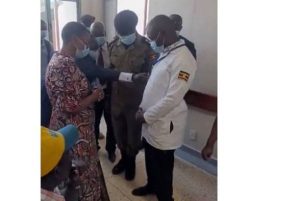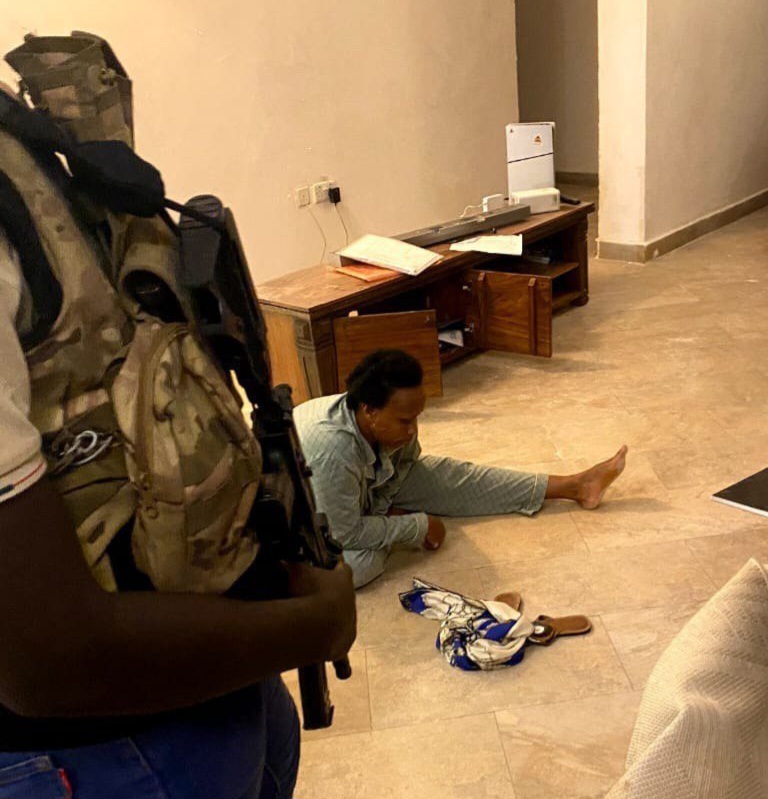
Uganda’s political stage has been shaken once again after General Muhoozi Kainerugaba posted a photo of Barbie Kyagulanyi, the wife of opposition leader Bobi Wine, during what he described as a house raid. The post on social media immediately drew massive attention and sparked debate across the country.
In his message, Gen Muhoozi wrote that soldiers “captured and then released” Barbie Kyagulanyi. He added that she was “very helpful in helping us find her husband.” The combination of a personal family reference with a security operation was startling for many observers.
The timing of the post came shortly after Bobi Wine dared the state to locate him, claiming he was “hiding in plain sight” and “concealed by the people.” Muhoozi’s post appeared to directly respond to that challenge, signaling that authorities were actively tracking the opposition leader.
Bobi Wine’s supporters reacted with shock and concern. Many argued that involving a family member in such public messaging was inappropriate and could endanger her safety. The image and statement appeared to some as a tactic to intimidate both Bobi Wine and his followers.
Barbie Kyagulanyi is widely respected in Uganda not just as Bobi Wine’s wife but as a public figure in her own right. She has often spoken on social issues, human rights, and community welfare, earning admiration from many citizens across political divides.
Critics of Gen Muhoozi’s post said it violated the personal privacy of a family member. They expressed concern that using images of political leaders’ spouses in security or military messaging sets a dangerous precedent and could escalate tensions unnecessarily.

Some supporters of Bobi Wine interpreted the word “helpful” with suspicion. Online conversations speculated whether it was a literal statement or meant as political theater. The ambiguity added to the sense of drama and distrust surrounding the exchange.
Opposition critics, however, argued that the post showed state confidence. By publicly sharing the image and noting Barbie’s cooperation, they claimed, the army projected power and control over the unfolding situation, signaling that no one associated with Bobi Wine is beyond reach.
The incident highlighted the growing role of social media in Uganda’s political conflicts. Platforms like Twitter are now used as arenas for messaging, signaling strength, and shaping public opinion in real time. A single post can become national news within hours.
Political analysts noted that the post might be part of a broader strategy to weaken Bobi Wine’s image and influence. By involving a family member, authorities may aim to portray him as vulnerable, even as he publicly dares the state in his own posts.
For ordinary citizens, the message sparked mixed reactions. Some felt alarmed that family members were being dragged into political confrontations. Others saw the posts as part of the ongoing political drama between Bobi Wine and the state.
The exchange reflects deeper tensions in Uganda’s political environment, which has been fraught with arrests, demonstrations, and restrictions on opposition activity over the past few years. Every statement from key figures is closely analyzed for hidden meanings or political intent.
Bobi Wine’s previous post about being “concealed by the people” gave his supporters a sense of confidence and defiance. He positioned himself as untouchable not through force but through public support, creating a narrative that resonated strongly with youth and urban populations.
Gen Muhoozi’s response, however, seemed designed to counter that narrative. By referencing Barbie Kyagulanyi, he shifted focus to the personal sphere, signaling that even family connections could be monitored and involved in state operations.
Security experts warned that mixing personal family references with political messaging could backfire. While it might intimidate some, it could also galvanize public sympathy for Bobi Wine and his family, especially among those who value privacy and respect for family.
Observers also noted that the situation could escalate tensions if not handled carefully. In a highly polarized environment, public challenges and personal references can quickly turn into broader confrontations between citizens and authorities.

Barbie Kyagulanyi herself has largely maintained a calm public presence over the years. She is admired for her quiet resilience and support for social causes. Being drawn into this highly charged exchange may affect her public image and could create additional pressure on her family.
Many citizens now hope that political leaders prioritize dialogue over public taunts. While both sides use social media to project strength, words alone can influence emotions, trigger protests, or increase unrest if not managed responsibly.
The incident underscores the delicate balance between power, messaging, and public perception in Uganda.
Opposition leaders rely on public support to maintain influence, while state authorities aim to project control, creating a tense interplay in which every post is carefully scrutinized.
As the situation unfolds, national and international observers are watching closely. The exchanges between Bobi Wine and Gen Muhoozi are no longer just about politics; they touch on personal safety, public perception, and the broader struggle for influence in Uganda.
Ultimately, this episode shows how political drama in Uganda has expanded beyond traditional arenas. It now involves families, social media, and public narratives in ways that can shift perceptions quickly and intensify political stakes. Citizens across the country are left observing, debating, and reflecting on the implications of these bold statements.