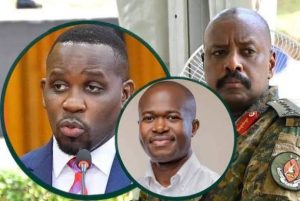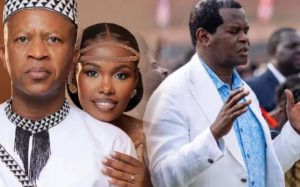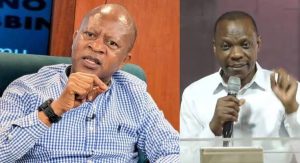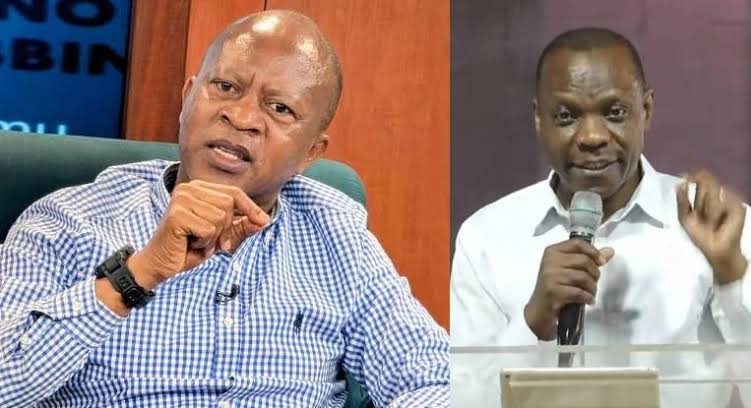
Pastor Jackson Senyonga has reportedly backed political analyst Frank Gashumba in his criticism of some religious leaders accused of misleading born-again Christians through questionable claims of miracles and spiritual powers.
Speaking during a church sermon, Senyonga reportedly agreed with Gashumba’s concerns, claiming that some pastors were using questionable spiritual practices while presenting themselves as servants of Jesus Christ. His remarks have added another voice to the growing debate over miracle ministries in Uganda.
Senyonga alleged that some religious leaders engage in practices he described as demon worship while claiming to perform miracles through the blood of Jesus Christ. These are serious allegations, and the claims against particular individuals would require evidence to establish their accuracy.
The pastor also questioned the language used by some preachers during their services, reportedly arguing that certain expressions, including the use of “Holy Ghost” instead of “Holy Spirit,” differed from the wording he believes should be used in biblical teaching.

During his sermon, Senyonga reportedly cited examples of pastors he accused of using witchcraft to influence their followers. He maintained that such practices, if established, would raise concerns about the conduct of religious leaders and the trust placed in them by their congregations.
His comments come amid an ongoing public debate involving Frank Gashumba and several religious figures over the authenticity of miracles and the conduct of self-proclaimed men of God. The discussions have attracted attention on social media, where supporters and critics continue to express differing views.
The controversy has also raised broader questions about accountability in religious institutions and the responsibility of pastors to be transparent with their followers. While some people support calls to scrutinise miracle claims, others caution against making accusations without credible evidence.
Senyonga’s reported support for Gashumba has added momentum to the debate, placing renewed focus on the practices of miracle ministries in Uganda. However, the allegations should be assessed individually, and claims against specific pastors should not be treated as established facts without supporting evidence.