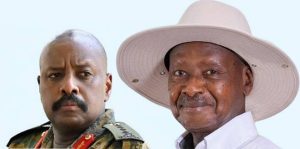
President Yoweri Museveni has issued one of his strongest warnings yet to government ministers, declaring that any leader whose home area remains trapped in poverty despite holding public office risks immediate dismissal from government. The President said leaders must become living examples of transformation by uplifting the communities they come from before claiming success at the national level.
Speaking during a public engagement, Museveni expressed frustration with leaders who occupy influential positions in government while the people in their own villages continue to struggle with poverty, unemployment, poor housing, and lack of basic services. He argued that leadership should first be reflected in the welfare of one’s immediate community.
The President stated that ministers have both the influence and access needed to guide their people toward economic progress, adding that it is unacceptable for citizens to remain desperate while leaders enjoy the privileges of high office in Kampala. According to him, leadership is about impact and accountability, not status.
Museveni warned that he would personally assess the performance of ministers by visiting their home areas to see whether ordinary people have benefited from government programs and national development initiatives. He stressed that visible transformation in villages should be evidence that leaders are effectively mobilizing and supporting their communities.

“If you are a minister and I come to your village and people are still suffering, I will sack you,” Museveni declared firmly, drawing applause and mixed reactions from the audience. The statement underscored his growing push for practical leadership and direct responsibility among government officials.
The President explained that ministers should not wait for central government interventions alone but should actively guide people on wealth creation, agriculture, savings, and participation in government empowerment programs. He said many communities remain poor because leaders have failed to educate citizens on how to use available opportunities.
Museveni pointed to programs such as the Parish Development Model, Emyooga, and other wealth-creation initiatives as tools intended to lift households out of subsistence living. However, he noted that the success of such programs largely depends on local mobilization and supervision by political leaders.
He criticized leaders who only return to their villages during political campaigns or public celebrations while neglecting the everyday struggles of the people who voted them into office. According to the President, genuine leadership requires continuous engagement with communities and practical solutions to their problems.
The President also emphasized that leaders should serve as role models by investing in productive activities within their communities. He argued that when local people witness successful farming, businesses, or development projects led by their own leaders, they become motivated to improve their own livelihoods.
Museveni further stated that Uganda’s fight against poverty cannot succeed if leaders themselves remain disconnected from the realities facing ordinary citizens. He stressed that ministers should understand local challenges because many of them were raised in similar conditions before rising to national prominence.

During his remarks, the President noted that some government officials have become too comfortable in urban centers and have lost touch with rural communities. He warned that public office should never distance leaders from the people they represent.
He said the government’s vision is to ensure that every household participates in income-generating activities capable of improving standards of living. Ministers, he added, have a duty to champion this vision in their respective regions and ensure no family is left behind.
Museveni also highlighted the importance of mindset change, arguing that development begins with changing attitudes toward work, productivity, and self-reliance. He challenged leaders to inspire communities to embrace modern farming, entrepreneurship, and skills development.
The President reiterated that Uganda has the potential to eliminate extreme poverty if leaders at all levels become more proactive in guiding citizens. He noted that resources and opportunities already exist but implementation and supervision remain weak in some areas.
He further warned against corruption and misuse of public resources, saying some government programs fail because funds meant for communities are diverted by dishonest individuals. Museveni stressed that ministers must ensure transparency and proper monitoring of all government interventions.
According to the President, accountability should start with visible results. He said leaders cannot continue making promises year after year while communities remain trapped in poor living conditions with limited access to healthcare, education, and reliable incomes.

Museveni’s remarks come at a time when the government is intensifying efforts to promote household income generation and reduce unemployment across the country. The President has repeatedly urged leaders to prioritize economic empowerment at the grassroots level.
Political analysts believe the warning signals increasing pressure on ministers and senior government officials to demonstrate measurable impact in their constituencies ahead of future political and development assessments. Many see the statement as part of Museveni’s broader campaign for performance-based leadership.
Some members of the public welcomed the President’s tough stance, arguing that leaders should indeed be judged by the progress of their own communities. Others, however, believe broader structural challenges such as limited infrastructure, unemployment, and inadequate funding also contribute to persistent poverty.
Despite differing opinions, Museveni remained firm that leadership must translate into improved living conditions for ordinary citizens. His message was clear: public office is not merely about titles and privileges, but about transforming lives and ensuring communities move from poverty to prosperity.