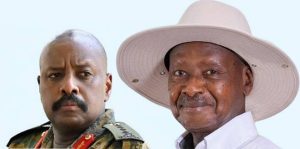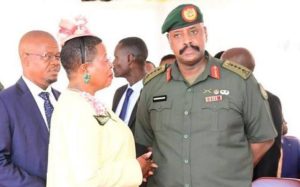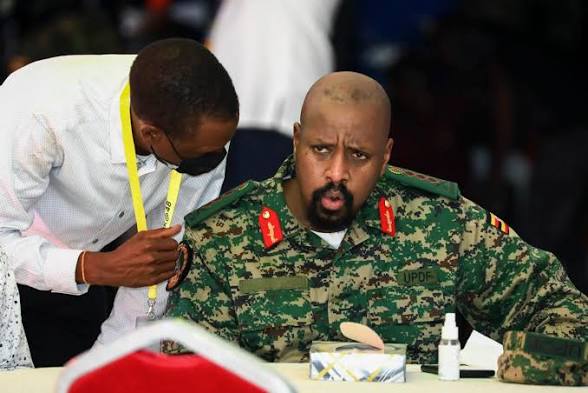
Muhoozi Kainerugaba has once again stirred widespread discussion in Uganda after publicly revealing the three most important pillars that shape his life, values, and character. In a statement that quickly attracted attention online, Muhoozi said everything good people see in him comes from three figures he deeply respects and admires.
According to Muhoozi, the first and most important pillar in his life is Jesus Christ. He described his Christian faith as the foundation upon which he builds his decisions, beliefs, and personal discipline. To him, faith remains the ultimate source of guidance regardless of political pressure or public criticism.
Muhoozi emphasized that without spiritual direction, leadership loses meaning and purpose. He suggested that his relationship with God continues to influence the way he views service, loyalty, and responsibility toward the country and its people.
The second pillar he identified was Yoweri Museveni, whom he credited for shaping his political understanding, patriotism, and discipline. Muhoozi praised the Ugandan president as both a father and mentor whose lessons have had a lasting impact on his life.

According to Muhoozi, much of the confidence and resilience he demonstrates today comes from the guidance and leadership style of Museveni. He described the president as a leader who taught him the importance of sacrifice, strategy, and commitment to national stability.
The third pillar named in the statement was Janet Museveni. Muhoozi spoke warmly about Mama Janet, describing her as a source of wisdom, spiritual strength, and moral guidance throughout his life.
He praised Janet Museveni for her humility, calmness, and strong Christian values, saying those qualities have inspired him both personally and publicly. According to him, her influence helped shape his character and outlook on leadership.
Muhoozi went on to declare that every positive thing Ugandans may notice in him is connected to the teachings and examples of those three individuals. He insisted that they remain the foundation behind his achievements and personal growth.
The statement immediately triggered mixed reactions across social media platforms, with supporters praising Muhoozi for openly expressing gratitude toward people who influenced his journey. Many viewed the message as emotional and sincere.
Some supporters argued that recognizing mentors and spiritual guidance is a sign of humility and maturity. They said leaders should never fear publicly acknowledging the individuals who helped shape them.

Others interpreted the comments as another demonstration of Muhoozi’s deep loyalty to the First Family and the values associated with their leadership. Supporters within government circles praised the statement as patriotic and respectful.
Critics, however, questioned whether such strong praise for political figures could blur the line between personal admiration and political messaging. Some argued that public leaders should avoid appearing overly dependent on personalities.
Despite the criticism, many Ugandans noted that the statement revealed an important side of Muhoozi’s personality — one rooted in religion, loyalty, and family influence. Political observers said the message was carefully symbolic.
Analysts also pointed out that Muhoozi’s remarks reinforce the continuing political influence of the Museveni family in Uganda’s national affairs. Even after decades in power, the First Family remains central to many political conversations.
Religious groups especially welcomed Muhoozi’s emphasis on Christianity and moral values. Some believers praised him for publicly placing Jesus Christ above politics and power.
The comments also reignited broader discussions about the role of faith in leadership. Many Ugandans argued that leaders guided by religious principles are often expected to demonstrate integrity and discipline in public service.

Meanwhile, opposition voices maintained that political institutions should be stronger than individual personalities. They cautioned against excessive glorification of political figures regardless of their achievements.
Even with differing opinions, the statement continued dominating conversations online because of its emotional tone and the significance of the individuals mentioned. It quickly became one of the most talked-about political remarks of the day.
Observers believe the declaration may further strengthen Muhoozi’s connection with supporters who admire both his military background and his loyalty to the ruling establishment. His words resonated strongly among those aligned with the government.
For now, Muhoozi’s statement stands as a powerful reflection of faith, mentorship, family influence, and political loyalty — elements that continue to shape not only his public image but also Uganda’s broader political narrative.