Uganda has received a major breakthrough in its quest to transform the country’s transport sector after securing a record €650.75 million (about Shs2.8 trillion) from the Islamic Development Bank (IsDB) for the Standard Gauge Railway (SGR) project. The financing package is the largest amount ever approved by the bank for a single project in Uganda, marking a significant step towards the realization of one of the country’s most ambitious infrastructure ventures.
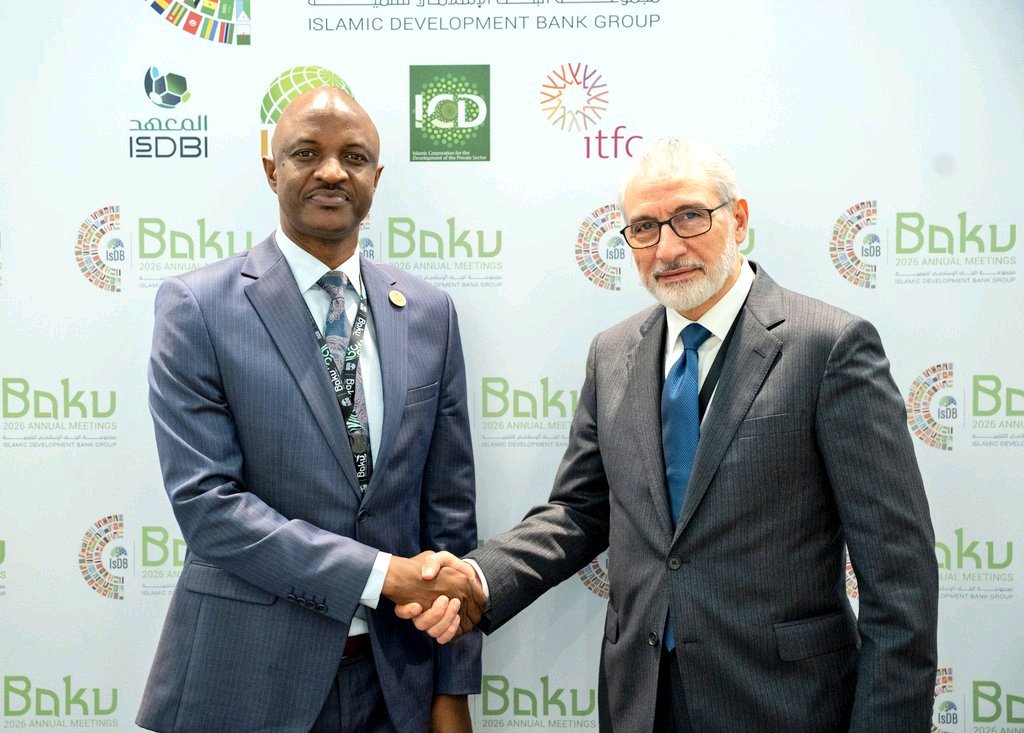
The landmark approval was granted during the 51st Islamic Development Bank Group Board of Governors’ Annual Meetings held in Baku, Azerbaijan, from June 16 to 19, 2026. The decision signals growing confidence in Uganda’s vision of creating a modern railway network capable of boosting trade, reducing transport costs, and improving regional connectivity across East and Central Africa.Leading Uganda’s delegation was Permanent Secretary and Secretary to the Treasury, Dr. Ramathan Ggoobi, who represented the country as Temporary Governor to the IsDB.
He welcomed the financing approval and emphasized government’s determination to ensure the railway project reaches financial closure by November this year. According to Ggoobi, the railway remains a top national priority due to its expected impact on economic growth and regional trade.The approved funding will facilitate the construction of several critical components along the railway corridor. Among the flagship projects are the 553-metre Jinja Nile Bridge and the 2.12-kilometre Mbuya-Kampala Tunnel, both of which are expected to play a vital role in improving railway efficiency and connectivity across the country.
In addition, six modern railway stations will be established in Tororo, Iganga, Jinja, Lugazi, Kampala East and Kampala City. The project also includes the construction of three major railway workshops in Kampala East, Jinja and Tororo to support maintenance and operational activities once the railway becomes functional.Government officials believe the SGR will revolutionize cargo transportation by shifting a large volume of freight from roads to rail. This is expected to lower business costs, reduce traffic congestion, minimize road damage caused by heavy trucks and enhance Uganda’s competitiveness as a regional logistics and trade hub.
The financing approval further deepens the relationship between Uganda and the Islamic Development Bank, which has become one of the country’s most important development partners. By May 2026, the bank had committed nearly $896.55 million in loans and grants to various public sector projects, with a large share directed towards improving transport infrastructure and supporting economic development.Beyond the railway project, IsDB continues to finance key roads, bridges, irrigation schemes and healthcare initiatives across Uganda.
Dr. Ggoobi also praised the bank for introducing the IsDB Concessional Fund, saying it comes at a critical time when many developing countries are facing shrinking foreign aid and widening financing gaps. With the historic SGR funding now secured, Uganda has taken a major leap towards modernizing its transport network and positioning itself as a strategic gateway for trade in the region.