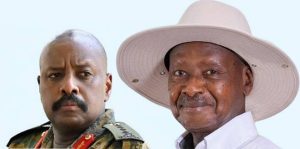
A political storm has erupted after Chief of Defence Forces Muhoozi Kainerugaba allegedly posted comments on social media suggesting he wants to shut down two of Uganda’s leading media outlets, Daily Monitor and NTV Uganda, sparking nationwide debate on press freedom and governance.
The remarks, which circulated widely online, reportedly claimed that he would “switch off” the two media houses and only needed approval from “Mzee,” a term commonly used to refer to President Yoweri Museveni. The statement quickly drew attention due to the senior military position held by Muhoozi and the influence of the platforms mentioned.
The alleged comments triggered immediate backlash and concern from journalists, political commentators, and civil society actors, many of whom viewed them as a potential threat to media independence and freedom of expression in the country.
Supporters of the two media organizations defended their role in reporting on governance, politics, and public accountability, arguing that critical journalism is essential in any democratic society and should not be interpreted as hostility toward the state.
The controversy also reignited broader national conversations about the relationship between government officials and the press, with analysts noting that even unofficial social media statements from high-ranking figures can carry significant political weight and public impact.
As reactions continue to grow across political and media circles, attention has shifted to whether any official clarification will be issued regarding the remarks and what they could mean for Uganda’s already sensitive media landscape.