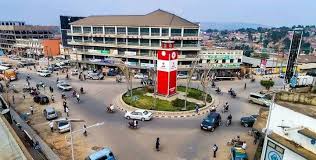
At least 448 youths aged between 15 and 24, many of them university and tertiary institution students, were newly infected with HIV in 2025 in Mbarara City, raising serious concerns among health officials.
According to Dorcus Twinabaitu, Mbarara City’s HIV focal person, the infections were recorded between January and December 2025, contributing to a total of 1,678 new HIV cases in the city during the year.
Young people within the 15–24 age group accounted for 448 of the infections, making them the second most affected group after adults aged 25–39, who recorded the highest number of new cases.
Health data further indicates that 42 children aged 0–14 years were newly infected during the same period, while 883 adults aged 25–39 accounted for the majority of infections. Another 305 cases were registered among people aged 40 and above.
Twinabaitu emphasized that the high number of infections among young people is particularly worrying because Mbarara hosts several universities and tertiary institutions, attracting students from across the country.
Public health experts say that the campus environment can expose students to high-risk behaviours, including unprotected sex, multiple sexual partners, alcohol consumption, and limited access to consistent HIV prevention services.
They warn that many young people still underestimate their vulnerability to HIV despite ongoing awareness campaigns and health education programs.

Health officials are now calling for strengthened HIV prevention programs targeting youths, especially in higher institutions of learning, to reduce the rate of new infections.
These interventions include increased HIV testing, condom distribution, sexual health education, and youth-friendly health services designed to meet the needs of students.
Twinabaitu stressed that addressing infections among young people is critical for controlling the broader HIV epidemic in the city and the country.
“Protecting young people from HIV is essential because they represent the future workforce and leadership of the country,” she said.
Health authorities note that early detection and treatment are vital for preventing the spread of HIV, especially in high-risk populations such as university students.
Officials are urging young people on campuses to know their HIV status and take preventive measures, including consistent use of condoms and limiting multiple sexual partners.

Counselling and youth-friendly health services have been recommended as key tools in encouraging students to access information, testing, and treatment without fear of stigma.
Twinabaitu highlighted the importance of collaboration between universities, health organizations, and local authorities to implement sustainable HIV prevention initiatives.
Community leaders have also been called upon to support awareness campaigns and ensure that students are equipped with accurate information about sexual health.
Health experts warn that if preventive measures are not strengthened, the rate of new infections among young people could rise further, posing a long-term challenge for public health.
They stress that education, access to preventive tools, and responsible behaviour are essential to reducing the spread of HIV among students and young adults.
Authorities in Mbarara continue to advocate for routine HIV testing, timely treatment, and the promotion of healthy sexual behaviours as part of Uganda’s national strategy to curb new infections.
The recent statistics have reignited debate over the vulnerability of young people in academic institutions and the need for urgent, targeted interventions to safeguard the health of students across the country.