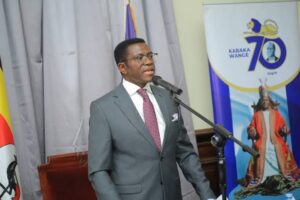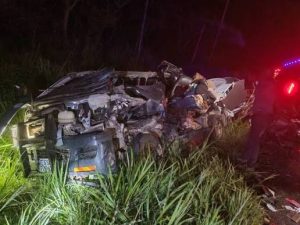
Uganda is once again in mourning following the death of a former government minister, a man who served his country for many years. The passing of Yafes Otim Omara has left many reflecting on his life, his service, and the health struggles he quietly battled over the years.
Yafes Otim Omara died at the age of 70, bringing an end to a long journey marked by both public service and personal challenges. His death was confirmed by family members, who shared details of his final moments.
According to his younger brother, Charles Joshua Otoka, the former minister passed away at around 4:00 am on Sunday, April 5, 2026. The news quickly spread, drawing reactions from across Uganda.
At the time of his death, Omara was in Kiambu County, where he had been staying at his son’s residence. His son, a medical doctor, had been closely involved in his care.
Before his passing, Omara had been receiving treatment at Karen Hospital, one of the well-known medical facilities in Nairobi. He had been under medical supervision as his condition worsened.
Reports indicate that the immediate cause of his death was complications related to a stroke. This was not the first time he had faced serious health issues.
In fact, his health struggles date back many years. In 2009, the government of Uganda supported him to undergo a kidney transplant in New Delhi.

The kidney transplant was a major procedure and marked a critical moment in his health journey. While it initially offered hope, it also led to further complications.
After the transplant, Omara reportedly developed heart-related problems. These issues required additional medical attention and multiple procedures over time.
He later underwent heart operations both in India and Kenya. These treatments showed that his condition required ongoing and careful management.
Despite these challenges, his family says he showed signs of improvement at different points. There were moments when it seemed he was recovering and regaining strength.
However, his health took a serious turn at the end of January 2025 when he suffered a stroke. This setback significantly affected his condition and marked the beginning of a difficult period.
From that moment, his health remained fragile. Medical care continued, but the effects of the stroke proved difficult to overcome.
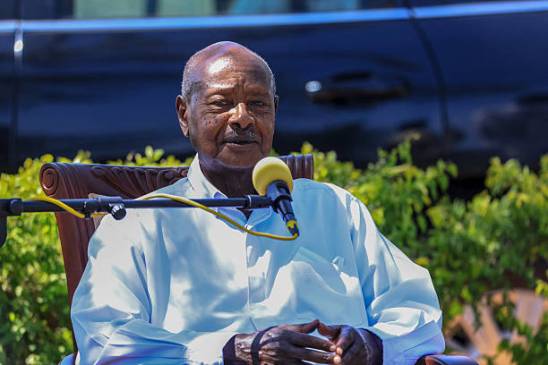
Beyond his health struggles, Omara is remembered for his political career. He served as a minister in the government of Yoweri Museveni, where he handled tourism and antiquities.

His role in government placed him among key figures working to promote Uganda’s heritage and cultural identity. He contributed to shaping policies in this sector.
Before becoming a minister, Omara was elected as a Member of Parliament in 1996. He represented Labwor County, an area in present-day Abim District.
His election marked the beginning of his national leadership journey. From there, he rose to take on greater responsibilities within government.
Following his death, his body was taken to a funeral home in Nairobi. Preparations are now underway to return his remains to Uganda.
He will be laid to rest in Alerek, located in Abim District. This is his ancestral home, where family, friends, and community members are expected to gather.
As news of his passing spreads, many are remembering his service and resilience. His life tells a story of dedication, struggle, and commitment to his country.
In moments like this, Uganda reflects not only on the loss of a leader but also on the importance of health, legacy, and public service.