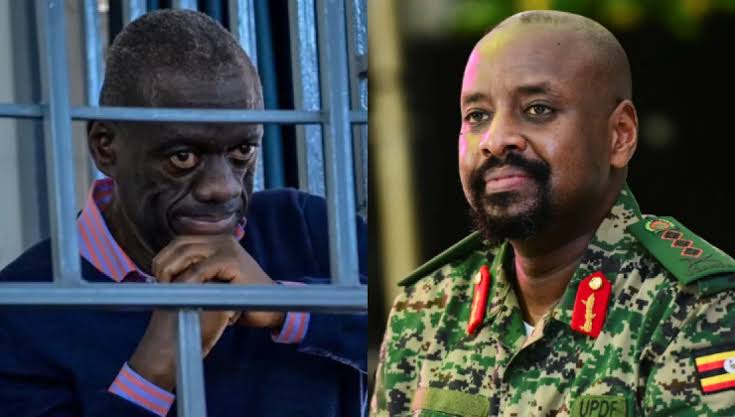
The treason trial involving retired Colonel Dr. Kizza Besigye and his co-accused has come under fresh scrutiny after the defence questioned a prosecution witness over four hours of audio recordings from a meeting held in Athens, Greece, that were allegedly not transcribed despite payment for the assignment.
During cross-examination, defence lawyer Farouk Kizito Kamulegeya challenged Medadi Elisa Ssentanda, the second prosecution witness, to explain why the recordings from the fourth Athens meeting had not been transcribed. The defence questioned the omission, particularly because the witness had earlier testified that some recordings were similar and did not require separate transcription.
Kamulegeya’s questions focused on how the witness handled the audio material and whether all relevant recordings had been properly processed. The defence sought clarification on why four hours of recordings were left out, raising questions about the completeness of the transcripts presented during the ongoing proceedings.
The exchange prompted an intervention from prosecutor Richard Birivumbuka, who asked the court to direct the defence to limit its line of questioning. However, presiding judge Justice Emmanuel Baguma observed that Ssentanda had received and listened to the audio files before transcribing them and should therefore respond to the questions put to him by the defence.

The defence also challenged the digital evidence presented in court, raising concerns about discrepancies in the creation dates and contents of two flash disks. According to the defence, the devices appeared to be different, although some records reportedly indicated that they had been created on September 2, 2025.
One of the flash disks presented before court reportedly displayed July 15, 2026, as its creation date, creating another point of contention during the proceedings. Despite the discrepancy, Ssentanda maintained that the files were created on September 2, 2025, leaving the defence to continue scrutinising the digital material and its handling.
The hearing also witnessed a disagreement over time management after the prosecution reportedly complained that Justice Baguma had arrived 40 minutes late, despite the session having been scheduled to begin at 11:00 a.m. The disagreement added another moment of tension to proceedings already dominated by questions about the recordings and the evidence relied upon by the prosecution.
The trial continues as the defence examines the completeness and handling of the evidence presented against Besigye and his co-accused. Whether the missing transcripts and conflicting flash disk dates will have a significant impact on the case remains to be seen as the proceedings continue.