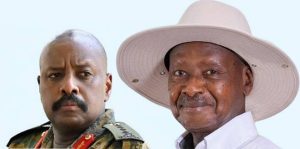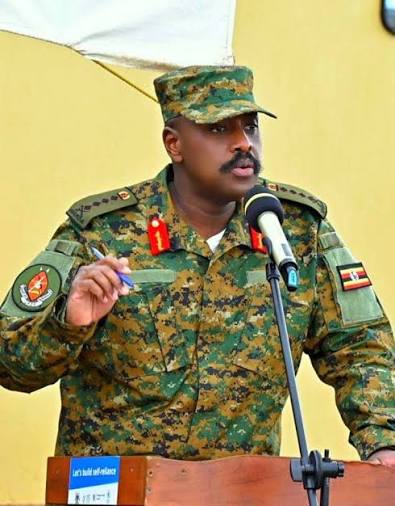
Chief of Defence Forces Gen Muhoozi Kainerugaba has sparked fresh national conversation after making remarks praising soldiers from different ethnic communities across Uganda, saying some of the bravest and most loyal fighters he encountered during years of conflict were not from his own ethnic background.
In a statement shared on X, formerly Twitter, Gen Muhoozi reflected on his experience in military operations and conflict situations over the years, emphasizing that courage, loyalty, and discipline are not determined by tribe, language, or regional identity.
The General specifically mentioned that in his “life of constant wars,” some of his best soldiers came from communities such as the Acholi, Madi, Lugbara, and Karimojong, rather than from the Banyankore or Bahima communities that many people often associate with Uganda’s military leadership.
His comments quickly attracted widespread attention online, with many Ugandans interpreting the statement as a message promoting national unity and challenging ethnic stereotypes that have existed in political discussions for years.

Gen Muhoozi stressed that what matters most in leadership and service is not where someone comes from or the language they speak, but rather their personal character, commitment, and ability to perform their duties with integrity.
The statement marked a notable shift from the usually confrontational political exchanges that often dominate online discussions involving senior government figures.
Many social media users welcomed the remarks, describing them as an important reminder that patriotism and professionalism should rise above tribal or ethnic divisions.
Others said the statement carried significant political weight because conversations about ethnicity and regional identity have historically been sensitive topics in Uganda’s political environment.
For years, critics of the government have occasionally accused state institutions, particularly the military, of favoring certain ethnic groups in appointments and promotions.
However, Muhoozi’s latest remarks appeared aimed at countering such perceptions by publicly acknowledging the contribution of soldiers from various communities across the country.

The mention of the Acholi community was especially significant to some observers given the region’s long and complicated history with conflict and military operations in northern Uganda.
Others focused on his praise for the Karimojong fighters, who have often been stereotyped in public discourse despite their reputation for resilience and toughness.
The Madi and Lugbara communities were also highlighted in the statement, drawing praise from some leaders and social media users from West Nile who said the comments reflected recognition of their historical contribution to national service.
Political analysts noted that the remarks could also carry broader political implications as Uganda moves further into a new political term under President Yoweri Museveni.
Some observers believe statements promoting national unity and inclusiveness may become increasingly important as political competition and public debate intensify across the country.
The comments also sparked discussion about the role of the military in fostering national cohesion in a country with diverse ethnic and cultural identities.
Supporters of Gen Muhoozi argued that his words demonstrated maturity and recognition of the importance of unity in national development and security.
Critics, however, cautioned that such statements should be matched by visible inclusiveness in public institutions, appointments, and opportunities for all Ugandans regardless of background.
Despite differing interpretations, many agreed that the statement stood out because it moved away from the personal political attacks and heated exchanges that have recently characterized social media discussions involving senior leaders.

The remarks also reignited conversations about the sacrifices made by soldiers from different regions during Uganda’s various periods of conflict and instability over the decades.
Several users online shared stories and historical memories of soldiers from Acholi, Madi, Lugbara, and Karamoja who played major roles in military operations and national security efforts.
As reactions continue to pour in, the statement has become one of the most widely discussed political and social messages currently circulating on Ugandan social media platforms.
For many observers, Gen Muhoozi’s words served as a reminder that national unity cannot be built on tribe or identity alone, but on mutual respect, shared sacrifice, and commitment to the country beyond ethnic differences.