The untimely death of Kalangala District Woman MP, Helen Nakimuli, has left many in shock and disbelief. What was meant to be a routine medical procedure took a tragic turn, and now, as Ugandans seek answers, fresh details have emerged regarding her health complications and the surgery that ultimately claimed her life.
According to close associates, Nakimuli had been struggling with stomach complications, which led her to seek medical attention at Alexandria Medical Center in Kampala. However, what was expected to be a minor operation turned into a fatal tragedy, raising questions about what went wrong.
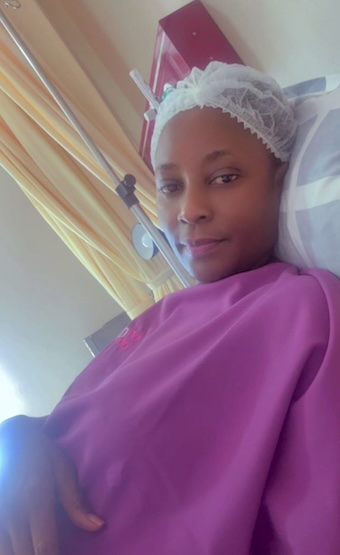
MP Helen Nakimuli, known for her strong advocacy for women and children in her district, had been in good spirits when she arrived at the private facility, located along Yusuf Lule Road in Kampala. She reportedly drove herself to the medical center to undergo what was described as a “minor surgery.” However, things took a fatal turn.
According to Marvin Saasi, the National Unity Platform (NUP) secretary for Diaspora Affairs, Nakimuli had been dealing with persistent stomach issues, which she had hoped to address through the operation. It was a decision she made with the belief that the surgery would improve her health, but unfortunately, it would prove to be the last decision she would make.
The operation, which began at around noon, was supposed to take a few hours. However, at approximately 3 PM, the family and close associates were called in by the medical team with devastating news—Nakimuli had not made it through the procedure. The doctor reportedly asked for a family member, which immediately raised concerns. The tragic news of her passing sent shockwaves through her family, political colleagues, and the entire country, especially given her vital role in Uganda’s political landscape as a Member of Parliament.

While the exact details of the cause of death remain unclear, speculation has been rife about what went wrong during the surgery. Many have been quick to point fingers, with some questioning whether medical negligence may have played a role in the tragic incident. Some have even suggested that there could have been an issue with anesthesia, infection, or perhaps a blood clot that led to the unexpected death of the MP. However, at this stage, no official statement has been made regarding the specific cause of her death.
The death has prompted a wave of public outcry and demands for clarity. Political figures and concerned citizens have taken to social media and other platforms to call for answers. NUP politicians, including Dr. Shamim Nambassa, the newly elected Councillor for Kawempe LCV, have been vocal in demanding an explanation for Nakimuli’s sudden and tragic death. “It just doesn’t make sense to me. We need answers. What exactly went wrong?” Dr. Nambassa asked publicly, reflecting the growing frustration among those who feel that a life should be accounted for, especially a public figure such as Nakimuli.
At the same time, others have urged patience, arguing that the family should be given space to mourn the loss of their loved one before any investigations or public inquiries are launched. Some have voiced concerns about respecting the family’s grief, especially during such a painful time.
However, many remain insistent on the need for transparency and accountability, particularly given the fact that Nakimuli was a public leader. “Do we have any preliminary findings from Parliament of Uganda on what caused Nakimuli’s surgery to turn fatal? Was it anesthesia, infection, a blood clot, a pre-existing condition, or something else?” journalist Culton Scovia Nakamya wrote in an online post. “This is not the time to dismiss those seeking answers. A human life must be accounted for, and Hellen was a public leader.”
As the news of her passing spread, many were quick to recall Nakimuli’s contributions to Ugandan society. Throughout her time in office, she had been a staunch advocate for women’s and children’s rights, tirelessly working to improve the lives of those in her district. Her untimely death has left many wondering how her constituency will cope with the loss of such an influential and dedicated leader.

Despite the tragedy, there are calls for an in-depth investigation into the events surrounding Nakimuli’s death. The lack of detailed information about what happened in the operating room has only added to the public’s growing concerns. The silence from the medical facility, as well as from government authorities, has only fueled suspicions of foul play or medical malpractice.
As of now, the cause of Nakimuli’s death remains unconfirmed, but speculation about potential negligence or error is widespread.
As the investigation into her death continues, there have also been clarifications made about the role of Mulago National Referral Hospital. Initially, there were reports suggesting that Nakimuli passed away at the hospital, which led many to point fingers at the institution. However, Mulago Hospital issued a statement distancing itself from the case, clarifying that Nakimuli had died at Alexandria Medical Center and that her body had only been transferred to Mulago for postmortem examination.
“The Woman Member of Parliament for Kalangala did not pass on at Mulago National Referral Hospital as alluded to by NTV Uganda and Daily Monitor,” Mulago said in a statement. “Hon. Nakimuli Helen died at Alexandria Medical Center where she had gone for a surgery and [her body] was transferred to Mulago National Referral Hospital mortuary for a postmortem. Kindly disregard this information since it is misleading.”
In light of this clarification, many questions remain about the procedures followed at Alexandra Medical Center. Why was such a seemingly simple surgery fatal? Was the medical staff negligent, or were there underlying health conditions that went undetected before the surgery? These are just some of the questions that the public expects to be addressed in the coming days.
The tragic passing of MP Helen Nakimuli has highlighted several issues within Uganda’s healthcare system, particularly the need for greater transparency and accountability in the medical field.
As Ugandans demand answers, the case is also prompting a broader conversation about healthcare access, medical standards, and the challenges faced by ordinary citizens when it comes to receiving quality care.

For those who knew Nakimuli personally, her death represents a huge loss, not just for her family, but for her constituents and the nation as a whole.
A leader dedicated to service, Nakimuli had a strong presence both in Parliament and within her community. She worked relentlessly to make a difference in the lives of others, and her untimely passing is a reminder of the fragility of life.
While the cause of her death remains uncertain, the growing demands for answers are likely to continue as Ugandans await further details from the authorities.
The investigation into the surgery that claimed Nakimuli’s life will no doubt be a pivotal moment for the healthcare system in Uganda, and it is hoped that it will lead to important reforms that could prevent such tragedies from happening in the future.
As the story unfolds, those who mourn the loss of MP Helen Nakimuli will continue to call for justice, hoping that the circumstances surrounding her death will be fully understood and that her family and the public will receive the answers they deserve.