The Uganda People’s Defence Forces (UPDF) has moved to calm public speculation surrounding the recent military checkpoints mounted across major roads in Kampala.
According to the army, the deployment is part of a broader operation aimed at improving discipline on the roads and ensuring motorists follow traffic regulations.
Military officials insist that the operation has nothing to do with arresting opposition leader Robert Kyagulanyi Ssentamu, widely known as Bobi Wine.
The checkpoints appeared across several parts of the Kampala Metropolitan Area earlier this week, prompting debate among road users and on social media platforms.
Many residents were surprised to see military police officers stopping vehicles alongside regular traffic police, which quickly sparked rumors about the purpose of the deployment.
However, the UPDF leadership has clarified that the operation is strictly focused on enforcing road safety rules.
According to military officials, the operation is being conducted jointly between the UPDF Military Police Brigade and the Uganda Police Force to address growing concerns about indiscipline among motorists.

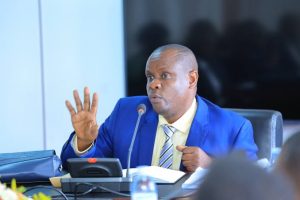
The explanation was provided in an official statement released by Colonel Chris Magezi, the Acting Director of Defence Public Information at the Ministry of Defence and Veteran Affairs.
Magezi explained that the checkpoints were introduced to strengthen traffic enforcement and ensure that drivers comply with road regulations.
According to the statement, the joint operation officially began on Monday, March 9, 2026. The exercise involves security officers stationed at strategic roads throughout Kampala and nearby metropolitan districts where traffic congestion and violations are common.
The military emphasized that the primary goal of the operation is to restore discipline on Ugandan roads. Authorities say reckless driving, disregard for traffic rules, and other forms of road indiscipline have become widespread in the city, posing serious safety risks to motorists and pedestrians.
One of the key targets of the operation is vehicles that operate without proper registration. Security officers are particularly focusing on cars and motorcycles that have no number plates or use fake registration details, which authorities say are sometimes linked to criminal activities.
The joint enforcement team is also paying attention to motorists who illegally use sirens on their vehicles. Officials say some drivers have been installing unauthorized sirens in order to bypass traffic and intimidate other road users, something the government wants to stop.
In addition, officers are monitoring other violations such as dangerous driving, failure to follow traffic signals, and operating vehicles without valid documentation. According to the UPDF, enforcing these rules is necessary to improve road safety in the busy capital city.
Despite these explanations, speculation had spread widely on social media suggesting that the checkpoints were part of an effort to track down Bobi Wine. Bobi Wine is the leader of the opposition party National Unity Platform and remains one of the most prominent political figures challenging the government.
However, Colonel Magezi dismissed these claims, saying the operation has no connection to the opposition leader. He described the rumors as misleading and urged the public not to spread misinformation about the security exercise.
Magezi stated clearly that the snap checkpoints were established purely to enforce traffic laws and maintain order on the roads. He emphasized that linking the operation to Bobi Wine was inaccurate and not supported by any facts.
The military also pointed out that such operations are not new in Uganda. In the past, joint exercises between the UPDF and police have been carried out to address similar issues, particularly when authorities believe road indiscipline has reached worrying levels.

Security officials believe that combining the resources of the army and the police helps strengthen enforcement efforts. Military police officers bring additional manpower and discipline to the operation, making it easier to control traffic violations.
Authorities have therefore encouraged the public to cooperate with officers stationed at the checkpoints. Motorists are expected to stop when directed, provide necessary documentation, and follow instructions issued by the security personnel.
Motorcycle riders, commonly known as boda boda operators, have also been advised to comply with the exercise. These riders play a major role in Kampala’s transport system, but they are also frequently involved in traffic violations and accidents.
The government hopes that the operation will help restore order and reduce accidents on the roads. Kampala’s rapidly growing population has placed enormous pressure on the city’s transport infrastructure, making traffic management increasingly difficult.
Officials say stricter enforcement of traffic laws is one of the most effective ways to address these challenges. By ensuring that drivers respect road rules, authorities believe they can reduce chaos on the roads and improve safety for everyone.
While debate about the checkpoints continues online, the UPDF has reiterated that the operation will remain in place for as long as necessary. The duration will depend on how quickly road users begin to comply fully with traffic regulations.
For now, security agencies say the message is simple: the checkpoints are about traffic discipline, not politics. As the joint operation continues, authorities are urging Kampala residents to cooperate fully and view the exercise as a step toward safer and more orderly roads.