Farmers across West Nile have been urged to leverage their newly acquired skills under the Dutch-funded Power of Voices Project (PvP) by integrating into government programs to ensure sustainability and boost household incomes in the region.
The five-year initiative, launched in 2020 and set to conclude in December 2025, has trained over 1,000 men and women in the onion value chain. Farmers have received comprehensive guidance in Global GAP standards, seed support, agronomy, post-harvest handling, market access, and financial literacy, transforming onions into a commercially viable enterprise across Zombo, Nebbi, and Arua districts.
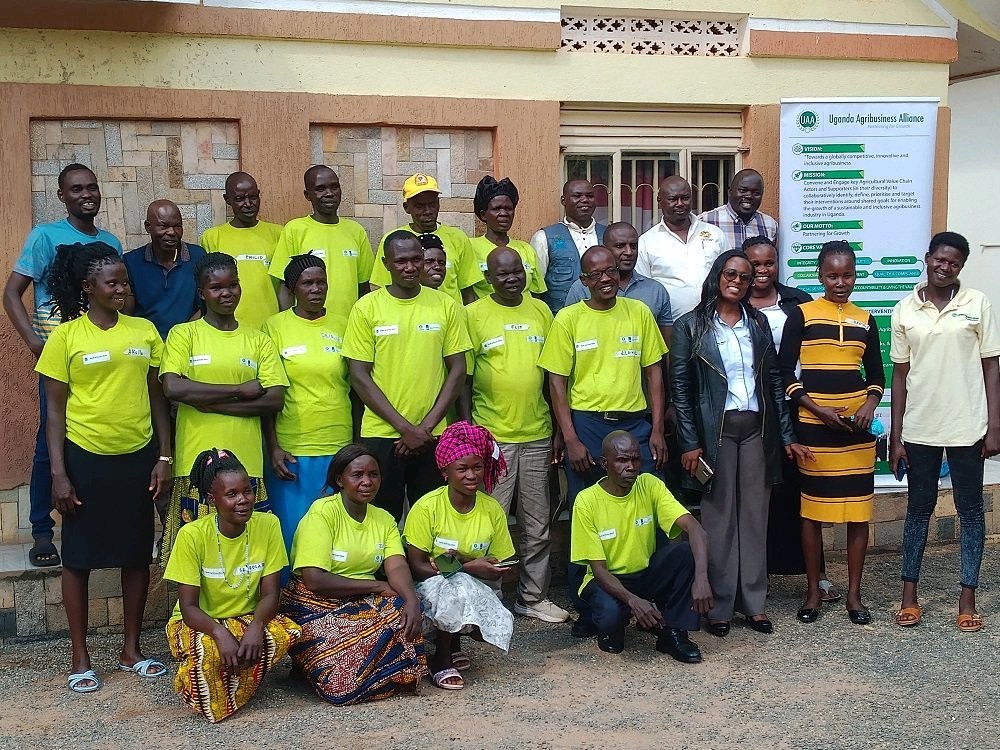
During a three-day intensive agronomy training at Daudi Courts in Paidha Town Council, Zombo District, Muddy Oyikuru, Project Officer at the Agency for Community Empowerment (AFCE), urged the government to link trained farmers to the Parish Development Model (PDM) to maintain the momentum beyond the project’s lifespan. “Sustainability is possible if government and farmers walk this journey together,” Oyikuru said.
Community-Based Consultant Beatrice Manenu from Logiri Subcounty, Arua, echoed the call, emphasizing that while farmers possess technical skills, they often lack financial resources to expand production. “These farmers are ready. Government should prioritize them in PDM allocations to ensure fairness,” she said.
The Parish Development Model, launched in 2022, aims to transition Uganda’s remaining subsistence farmers into the money economy. Thousands have accessed revolving funds, with numerous success stories emerging at parish levels. Extension officers note that the 1,000 PvP-trained farmers are ideally positioned to demonstrate efficient use of these resources, potentially boosting productivity and adding value to horticulture in West Nile.
Lead farmer Ezekiel Onyuthi of Gonyubendu Micro Station in Nebbi praised the project for the skills imparted but expressed frustration over delays in accessing PDM funds. “We now have the knowledge to farm as a business; what we lack is timely access to capital,” he said. A government official, speaking on condition of anonymity, encouraged farmers to join formal parish and village groups to access funds like other beneficiaries.
The Uganda Agribusiness Alliance (UAA), in partnership with AFCE, SEATINI Uganda, ESAFF Uganda, and CSBAG, facilitated the training for 18 farmers and six Community-Based Trainers. Sessions focused on onion and garlic agronomy, climate-smart practices, value addition, post-harvest management, and financial literacy to ensure competitiveness in national and regional markets.
As the project draws to a close, Consultant Agronomist Kukunda Medias and Zombo Agricultural Officer Moses Openjmungu stressed the importance of sustainability, knowledge sharing, and minimizing post-harvest losses. The UAA reaffirmed its commitment to supporting farmers beyond PvP, noting that the foundation laid over five years provides a strong platform for continued growth in West Nile’s onion and garlic sector.