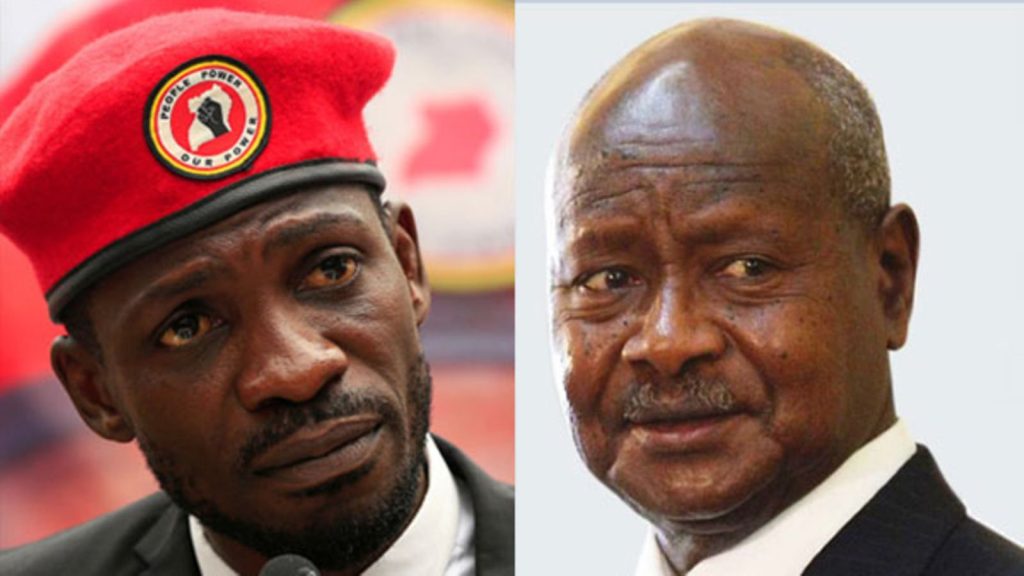
Veteran political journalist turned lobbyist Richard Baguma has reportedly advised National Unity Platform (NUP) leader Robert Kyagulanyi Ssentamu, popularly known as Bobi Wine, on preparing for state leadership as President Museveni approaches the end of his tenure.
Baguma told Bobi Wine to accept that he is currently the underdog in Uganda’s succession race. He noted that Bobi Wine still has much to learn in order to compete with influential figures such as Museveni’s eldest son, Gen Muhoozi Kainerugaba, Chief of Defence Forces (CDF), and Museveni’s son-in-law, Odrek Rwabwogo, chair of the Presidential Advisory Committee on Exports and Industrial Development (PACEID).
“I speak in good faith—Museveni cannot be overthrown through these elections, even if power is removed like it was in Sudan under Omar al-Bashir or Libya under Muammar Gaddafi. Leadership will go to those closest to him, making it difficult for outsiders like Bobi Wine,” Baguma said.
He emphasized that running a country is far more complex than many of Bobi Wine’s grassroots supporters realize. Baguma questioned whether his team is equipped to handle international diplomacy, such as defending Uganda’s interests at the United Nations or negotiating with major powers like the United States.
Baguma encouraged Bobi Wine to seek mentorship from seasoned opposition leaders like Maj Gen Mugisha Muntu and Dr. Kizza Besigye, who have experience navigating state institutions and challenging entrenched power. He noted that Museveni monitors Besigye more closely than Bobi Wine due to Besigye’s extensive political experience.
“Yes, Bobi Wine has strong youth support, especially in urban ghettos, but they alone cannot secure power. Museveni will exploit their inexperience by arresting, intimidating, and imprisoning them to assert his authority,” Baguma warned.
The report also highlighted Museveni’s decisive action against perceived internal threats. Former spy chief Lt Gen Henry Tumukunde was arrested after allegedly attempting to infiltrate Bobi Wine’s youth networks to rally opposition support. Several youths involved remain imprisoned.
Kira Municipality legislator Ibrahim Ssemujju Nganda noted that Museveni is gradually transferring state power to his son Muhoozi due to advancing age. Ssemujju said Muhoozi uses assertive measures to consolidate control while learning the responsibilities of leadership. He stressed that elections remain the opposition’s best opportunity to gain power, warning that missing this chance could limit future options.
Baguma cited historical precedent, noting that when Museveni assumed power in 1986, he sought advice from experienced leaders such as the late Paul Kawanga Ssemogerere and Tanzania’s President Julius Nyerere to build governance structures. Baguma said this underscores the importance of learning from experienced figures for anyone aspiring to lead the country.
Meanwhile, reports suggest ongoing discussions between Museveni’s government and opposition parties—including the Democratic Party, Uganda People’s Congress, Democratic Front, and Forum for Democratic Change—on forming a joint government to ensure a peaceful transfer of power. Allegations that some parties are receiving funding from Museveni have been denied.