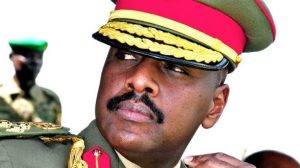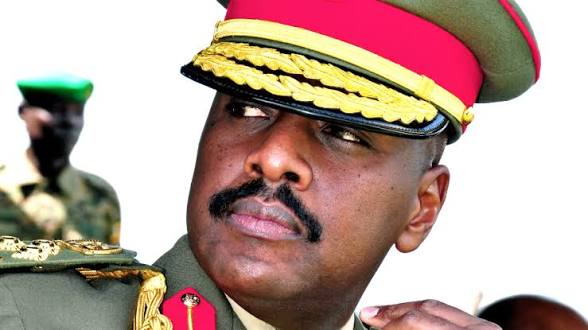
Gen. Muhoozi Kainerugaba has issued a public statement regarding ongoing diplomatic efforts, announcing that he is waiting for Iran’s proposed peace treaty with Uganda. His message carried both urgency and a hint of impatience, emphasizing the importance of swift action.
According to Gen. Muhoozi, a formal peace treaty is essential to strengthen bilateral relations and foster stability in the region. He underscored that Uganda values strong international partnerships, especially with nations that share strategic interests.
In his statement, Muhoozi remarked that Uganda has been ready to engage in constructive dialogue and that all necessary preparations on the Ugandan side have already been completed.
The General’s comments suggest that Uganda is taking a proactive stance in international diplomacy, signaling both readiness and expectation from its partners.
Observers note that Gen. Muhoozi’s announcement reflects Uganda’s broader foreign policy strategy, which emphasizes timely resolution of international agreements and treaties.
He also highlighted that peace treaties are not only about formalizing diplomatic relations but also about ensuring security, trade, and development cooperation between nations.
Muhoozi’s remarks were interpreted as a gentle but firm nudge to Iranian authorities, urging them to act promptly to move negotiations forward.
The statement comes at a time when international attention is focused on diplomatic initiatives in various regions, and Uganda’s role as a mediator and partner is increasingly recognized.
Experts believe that a formal treaty with Iran could open new avenues for trade, technology exchange, and cultural collaboration between the two nations.
Gen. Muhoozi further emphasized that Uganda has always been committed to peaceful resolutions of conflicts and that the government values treaties as instruments of trust and mutual respect.
He made it clear that Uganda is fully prepared to honor any agreement once it is formally presented, signaling readiness for immediate implementation.
Political analysts suggest that the timing of this announcement may also serve to demonstrate Uganda’s proactive diplomacy and reinforce its image as a country that prioritizes strategic international partnerships.
Muhoozi’s call to action reflects a sense of urgency, indicating that delays in treaty proposals could slow down critical initiatives benefiting both nations.

He also noted that peace treaties have historically played a pivotal role in regional stability, preventing misunderstandings and fostering cooperation.
The General’s remarks resonate with Uganda’s ongoing efforts to strengthen its diplomatic network and enhance relations with key global partners.
Observers believe that this public statement may also be a strategic move to put subtle pressure on Iran, signaling that Uganda is paying close attention to the pace of negotiations.
Muhoozi’s message conveys a sense of responsibility, as he positions Uganda as a nation ready to act decisively in matters of international importance.
He emphasized that a formal treaty is not merely a document but a framework for actionable collaboration, setting the stage for sustainable development and security.
The announcement has drawn attention from diplomatic circles, with experts highlighting Uganda’s determination to ensure that agreements are concluded efficiently and effectively.
In conclusion, Gen. Muhoozi’s statement underscores Uganda’s commitment to international diplomacy, its readiness for engagement, and a clear expectation that Iran should expedite the submission of its proposed peace treaty. This public reminder reinforces the importance of timely cooperation in advancing mutual interests and regional stability.