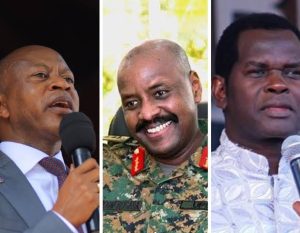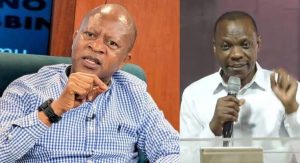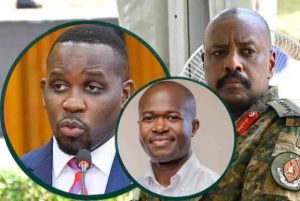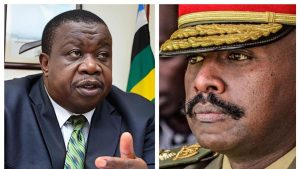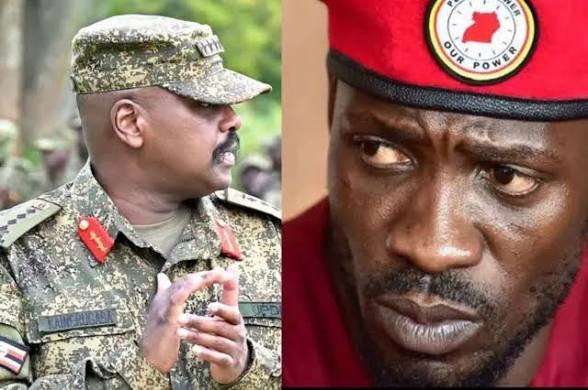
A fresh political conversation has emerged after Uganda’s Chief of Defence Forces, Gen. Muhoozi Kainerugaba, shared remarks suggesting that he may be ready to reconcile with individuals he previously considered political opponents. The statement, which quickly attracted attention on social media, has generated discussion among supporters, critics, and political observers across the country.
According to the remarks attributed to Gen. Muhoozi, he is considering reaching out to former rivals as part of a broader effort to promote understanding and cooperation. His comments have been interpreted by many as a sign that political differences do not necessarily have to remain permanent.
One of the most notable aspects of the statement was his mention of Theodore Ssekikubo, whom he referred to as his brother. The reference immediately sparked public interest because the two have often been viewed as belonging to different political camps.
The comments come at a time when Uganda’s political environment continues to experience intense debate and competition among various leaders and parties. In such a setting, any suggestion of reconciliation between prominent figures is likely to attract significant attention.

Supporters of Gen. Muhoozi welcomed the remarks, arguing that political maturity is demonstrated not only through competition but also through the ability to build bridges with those who hold different views.
Others interpreted the statement as an indication that dialogue remains an important tool in national leadership. They believe that constructive engagement can help reduce tensions and encourage cooperation on issues affecting ordinary citizens.
Political analysts have noted that throughout history, many political leaders around the world have eventually chosen reconciliation over confrontation, especially when seeking broader unity and stability.
The mention of Buganda in the statement also attracted discussion, given the region’s important role in Uganda’s political, economic, and cultural landscape. Political developments in the region often influence national conversations and attract widespread interest.
Some observers believe that the remarks could signal a strategic shift toward building relationships with influential figures who may not always share the same political perspectives. Such efforts, they argue, can create opportunities for dialogue and collaboration.
At the same time, critics remain cautious, arguing that reconciliation efforts should be accompanied by meaningful engagement and practical actions rather than symbolic statements alone.

For supporters of Ssekikubo, the comments were viewed as recognition of his influence and standing in national politics. The legislator has built a reputation as an outspoken figure who is often willing to challenge positions held by powerful individuals.
The possibility of improved relations between the two men has therefore become a topic of curiosity among political followers who have observed their interactions over the years.
Many social media users reacted with surprise, with some expressing optimism that political disagreements can be resolved through conversation and mutual respect.
Others used the moment to call for broader reconciliation across Uganda’s political spectrum, arguing that national development benefits when leaders find common ground despite their differences.
Political commentators also pointed out that the language of brotherhood used in the statement carries symbolic significance in Ugandan politics, where personal relationships often play an important role in shaping public affairs.
The remarks have further fueled speculation about future political alignments and relationships among key figures in the country. However, no formal meetings or reconciliation plans have been publicly announced beyond the statement itself.

Some analysts argue that if such engagement materializes, it could help lower political tensions and encourage more issue-based discussions rather than personal confrontations.
Others caution that political rivalries are often rooted in policy differences and competing visions, meaning that genuine reconciliation requires patience, trust, and sustained dialogue.
Regardless of how events unfold, the statement has succeeded in generating national conversation about unity, political tolerance, and the importance of maintaining communication even among those who disagree.
As Ugandans continue to discuss the implications of the remarks, many will be watching closely to see whether the proposed outreach to Ssekikubo marks the beginning of a wider effort to strengthen relationships across political divides and promote a more cooperative national discourse.