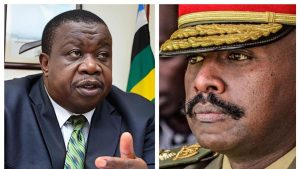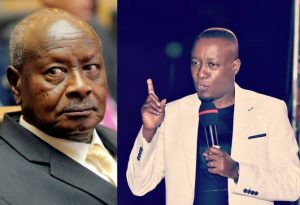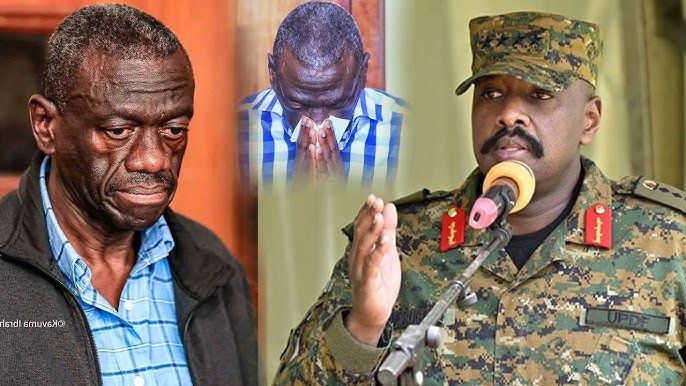
Jailed opposition leader Dr. has approached the High Court once again, this time seeking to halt his ongoing treason trial entirely. Besigye, along with his co-accused Hajji Obeid Lutale, argues that the case is fundamentally unfair due to the circumstances of their arrest and the repeated public threats made by Chief of Defence Forces General Muhoozi Kainerugaba.
The new court application is linked to the criminal proceedings in which Besigye, Lutale, and Captain Denis Oola face charges of treason and misprision of treason. The State alleges that the group plotted to overthrow President Yoweri Museveni through meetings held in Geneva, Athens, Nairobi, and Kampala, while seeking funds, weapons, and military training.
Authorities say they have compiled audio, video, phone, and immigration records to support the treason charges. Meanwhile, all three accused remain on remand, with their detention extended until June 11, 2026.
Besigye and Lutale’s legal team now argues that their arrest and subsequent detention destroyed any possibility of a fair trial. The defence, led by lawyers Erias Lukwago, Frederick Mpanga, and Ernest Kalibala, claims that both men were forcibly taken from Nairobi on November 16, 2024, while attending a book launch hosted by Kenyan lawyer Martha Karua.
They allege that Ugandan military officers transported them to Uganda without following extradition procedures and held them incommunicado for four days at Makindye Military Barracks. During that time, they claim they were denied access to lawyers, family, and medical attention before being presented in court.
The application lists General Muhoozi, Colonel Peter Ahimbisibwe, Lieutenant Colonel Ephraim Byaruhanga, and the Attorney General as respondents in the legal proceedings.

A major focus of the defence case centers on social media posts attributed to General Muhoozi. Court documents quote a post from January 16, 2025, stating: “We will hang KB on Heroes’ Day. That’s the best day for him to die.”
Another post dated February 19, 2026, reportedly referred to Besigye as a “dead man walking” because he “wanted to kill Mzee.” A further post in April 2026 allegedly stated: “I think we might hang Besigye by next month. If we don’t hang him, we will shoot him dead. That will be a great day for Uganda.”
Other statements cited in the court papers include claims that Besigye will leave prison “only in his coffin after we hang him or shoot him, or on his knees apologizing” to President Museveni.
Besigye’s lawyers argue that these statements constitute threats to life, psychological torture, public judgment of guilt, and interference with judicial independence.
The defence also relies on a Supreme Court ruling in Attorney General v. Michael Kabaziguruka, which restricts the trial of civilians in military courts. They argue that Besigye and Lutale were first charged in violation of this precedent.
The High Court is being asked to declare the abduction from Nairobi unlawful and to nullify all criminal proceedings stemming from that arrest.
In addition, the defence is requesting the unconditional release of both Besigye and Lutale, as well as medical treatment and rehabilitation for the alleged torture suffered during detention.
Lawyers insist that the government’s actions have undermined the basic principles of fair trial, due process, and the independence of the judiciary.

They further contend that public threats made by the Chief of Defence Forces could intimidate the court, influence witnesses, and jeopardize the impartiality of the trial.
Besigye and Lutale’s legal team maintains that the combination of extrajudicial threats and procedural irregularities renders the treason case fundamentally flawed and incapable of being adjudicated fairly.
The case has drawn widespread attention both locally and internationally, raising concerns over human rights, political freedoms, and the treatment of opposition figures in Uganda.
Observers note that the litigation could set significant legal precedents regarding the treatment of civilians accused of political crimes and the limits of military involvement in criminal prosecutions.
As the High Court prepares to consider the application, all eyes are on the judiciary to determine whether Besigye and his co-accused will be granted relief from a trial they claim is unconstitutional and politically motivated.
The outcome of this application will have far-reaching implications for Uganda’s political landscape, the protection of human rights, and the enforcement of legal norms in cases involving high-profile opposition leaders.