The National Unity Platform (NUP) has approached the High Court, challenging its exclusion from government funds allocated to political parties. The party claims that Justice Minister Norbert Mao deliberately orchestrated a move to deny them access to the money ahead of the 2026 elections.
Through Secretary General David Lewis Rubongoya, NUP is demanding that the government release its share of statutory funds. The party argues that Mao’s August 25 directive, which instructed the Electoral Commission to fund only IPOD-affiliated parties, was unlawful, politically motivated, and unfair.
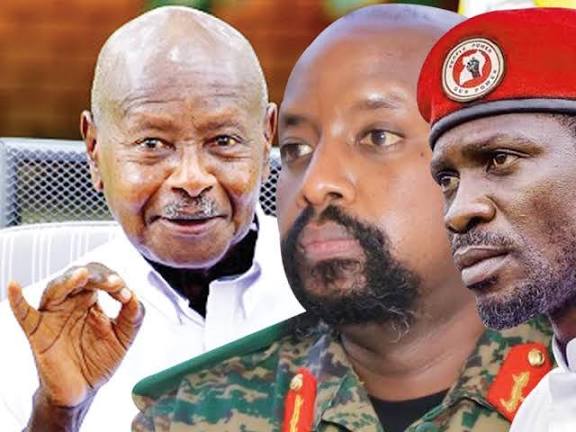
Rubongoya stated that NUP, as Uganda’s second-largest party, has received these funds since 2021 and is entitled to its share. He added that the freeze on funding has disrupted party operations, including preparations for nominating their presidential flagbearer, Robert Kyagulanyi, also known as Bobi Wine.
The party claims that the exclusion is a deliberate attempt to weaken its activities and restrict its ability to campaign effectively ahead of the elections.
Government lawyers have resisted NUP’s claims. The Attorney General requested additional time to respond, while Electoral Commission lawyer Eric Sabiiti dismissed the case as frivolous, insisting that NUP’s complaints are due to their refusal to join IPOD.
The new Political Parties and Organisations (Amendment) Act, 2025, ties access to statutory funding to IPOD membership. At the Kololo summit on September 18, Museveni and leaders of other IPOD-affiliated parties—including DP, FDC, UPC, JEEMA, and NRM—shared the funds, leaving NUP without its expected allocation.
NUP argues that this amounts to political blackmail and an attempt to cripple the party ahead of the 2026 elections. Party officials say that forcing them to join IPOD undermines their independence and limits their ability to compete fairly.
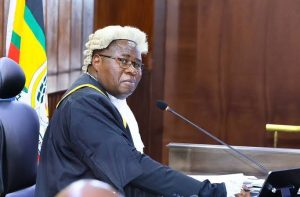
Justice Collins Accellam has scheduled the case for October 10, when the court will decide whether NUP can access the funds or remain excluded from government political financing.
The outcome of this case could significantly affect Uganda’s political landscape ahead of the 2026 elections. With NUP positioning itself as the main opposition party, access to funding is vital for organizing campaigns, rallies, and voter outreach.
As the dispute unfolds, questions about fairness in political financing, the role of IPOD, and potential legislative bias are at the forefront. Observers are closely watching to see whether NUP will secure its share of Museveni’s billions or continue to be left out.