A senior Ugandan politician has sparked debate after claiming that President Yoweri Museveni is no longer the person fully running the country and has instead become more of a symbolic figure in Uganda’s leadership structure.
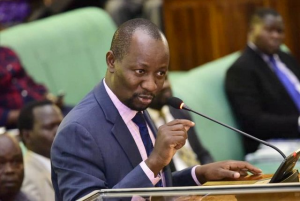
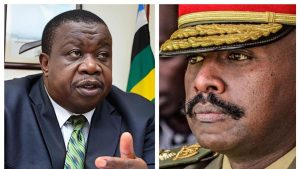
The remarks were made by Mukasa Mbidde, a former member of the East African Legislative Assembly (EALA), who argued that the real power in Uganda may now lie elsewhere within the country’s leadership system.
According to Mbidde, the political dynamics in Uganda have been shifting over the past several years. He suggested that although Museveni remains the official head of state, other influential figures within the government and military are increasingly playing a major role in decision-making.
His comments come at a time when discussions about succession and power structures within the ruling National Resistance Movement (NRM) have become more visible in Uganda’s political space.
For decades, Museveni has been the dominant figure in Ugandan politics, having led the country since 1986 after the Ugandan Bush War brought his movement to power.
However, analysts say the conversation about leadership has intensified in recent years as the president grows older and new political actors rise within the country’s leadership structure.
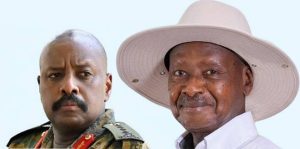
Among the figures frequently mentioned in such discussions is Muhoozi Kainerugaba, the son of President Museveni and the current Chief of Defence Forces in the Uganda People’s Defence Forces (UPDF).

Observers note that Muhoozi’s growing prominence within the military and political landscape has fueled speculation about a possible succession plan within the ruling establishment.
Another influential figure often mentioned in Uganda’s power circles is Salim Saleh, Museveni’s younger brother and a senior military officer who has historically played a significant role in the country’s political and security affairs.
Some political commentators believe that a small group of powerful individuals within the president’s inner circle may be shaping major decisions in government.
These discussions have also been echoed by opposition figures, including Ibrahim Ssemujju Nganda, a Member of Parliament who previously suggested that President Museveni is increasingly being managed by people around him.
Supporters of the government, however, reject these claims and maintain that Museveni remains firmly in charge of the country’s leadership.
They argue that Uganda’s political system continues to operate through established institutions such as the executive branch, parliament, and the judiciary.
The debate about power structures in Uganda has also been fueled by controversial political statements made during public rallies and political events.
For example, Anita Among, the Speaker of the Parliament of Uganda, once sparked controversy after using religious language while praising the country’s leadership during a rally.
Her remarks attracted criticism from religious leaders, members of the opposition, and sections of the public who considered the comparison inappropriate.

Despite the backlash, discussions about power dynamics within the ruling establishment have continued to dominate political conversations.
Political analysts say that in many countries with long-serving leaders, debates about succession and internal power structures often become part of the national discourse.
In Uganda, such conversations have become particularly intense as the country continues to navigate questions about its political future.
Some analysts believe that strong military institutions and influential political figures within the government play a key role in shaping policy and governance.
Others argue that the continued dominance of the National Resistance Movement ensures that the president remains the central authority in Uganda’s leadership.
For now, the remarks by Mukasa Mbidde have added another layer to the ongoing national conversation about leadership, power, and political transition in Uganda.
As the debate continues, many Ugandans remain keenly interested in how the country’s political landscape will evolve in the coming years.